
Ingredients
Sauerkraut
- 1.5 kgbarrel sauerkraut, drained but not rinsed
Meat
- 1 kgpork shoulder or turkey pieces
- 300 gsmoked pork ribs
- 200 gsmoked bacon or slanina, diced
- 2smoked sausages, sliced
Base
- 3onions, sliced
- 4 tbsplard or oil
- 2 tspsweet paprika
- 1 tsphot paprika
- 2bay leaves
- 1 tspcaraway seed
- black pepper
Also
- 300 mlstock or water
- 1 tspsugar
To serve
- bread
- pickled peppers
- rakija
Directions
- Drain the sauerkraut but do not rinse it under the tap. If yours is extremely sharp, rinse it briefly and taste, but never as a matter of routine.
- Squeeze it lightly and pull the strands apart so it is not in a solid clump. Chop it roughly if the strands are very long. Render the diced bacon in a heavy pan until it gives up its fat and the pieces colour.
- Add the sliced onions and cook them slowly for 15 minutes until deep golden. Take the onions properly golden rather than merely soft, because that sweetness is the counterweight to the sour cabbage. Now take the pan off the heat before the paprika goes in.
- Stir both paprikas into the hot fat off the flame. Brown the pork or turkey pieces separately in a hot pan until well coloured, then set them aside. Brown the meat properly. Put half the sauerkraut in the base, then the onion and paprika mixture, then the smoked ribs and sausage.
- Cover with the rest of the sauerkraut, then set the browned meat on top. The pinch of sugar is not to sweeten it but to take the hardest edge off the sauerkraut, and it is standard.
- Pour in the stock, which should come only about a third of the way up. Use very little liquid. The sauerkraut releases plenty of its own and podvarak should end up moist rather than wet. Cover with foil and bake at 170°C (340°F) for 1 hour 30 minutes. Then uncover and bake a further 30 minutes to brown the top.
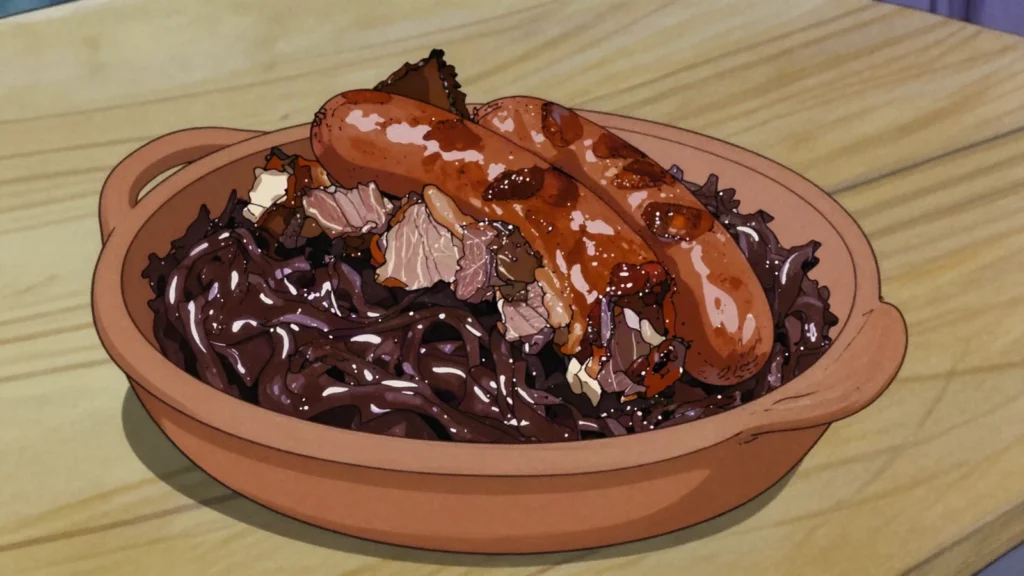
- Check it halfway and add a splash of hot water only if it looks dry. It is ready when the meat pulls apart easily and the cabbage has gone soft, dark and glossy. Rest it 15 minutes before serving. Serve it hot with bread, pickled peppers and a glass of rakija.
Technique
- Barrel sauerkraut soured in whole heads is quite different from shredded jarred sauerkraut and is worth seeking out.
- It freezes well and reheats better than most baked dishes.
- Some households add a handful of prunes, which is a regional habit.
Substitutions
- Jarred sauerkraut, drained well.
- Duck, goose or any smoked pork in place of turkey.
Variations
- Made with turkey, which is the Christmas standard.
- With duck or goose.
- Meatless, with only smoked paprika, for fasting days.
History
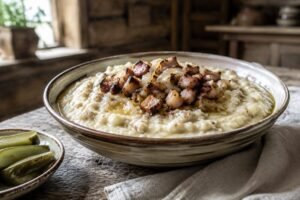
A baked dish of sauerkraut and roasted meat, most often duck, goose or pork, combined together so the meat’s rendered fat and juices soak into the tangy cabbage as both cook together, developed in Serbian home cooking, particularly closely associated with Christmas and other major winter holiday meals, when the dish’s rich combination of preserved cabbage and roasted festive meat suited both the season’s available ingredients and its celebratory occasion. Sauerkraut itself, fermented cabbage, reflects a broader Central and Eastern European preservation tradition for keeping vegetables through winter months before refrigeration existed, adapted into this specific Serbian holiday preparation by pairing it directly with roasted meat rather than serving the cabbage as a plain side dish.
Frequently asked questions
What is Podvarak?
Podvarak is a main from Serbia: sauerkraut baked with smoked meat and roast pork or turkey. A baked dish of sauerkraut and roasted meat, most often duck, goose or pork, combined together so the meat’s rendered fat and juices soak into the tangy cabbage as both cook together, developed in Serbian home cooking, particularly closely associated with Christmas and other major winter holiday meals, when the dish’s rich combination of preserved cabbage and roasted festive meat suited both the season’s available ingredients and its celebratory occasion. Sauerkraut itself, fermented cabbage, reflects a broader Central and Eastern European preservation tradition for keeping vegetables through winter months before refrigeration existed, adapted into this specific Serbian holiday preparation by pairing it directly with roasted meat rather than serving the cabbage as a plain side dish.
How long does Podvarak take to make?
Podvarak takes 30 min of preparation and 2 hr of cooking. The recipe makes 8 servings. It is rated easy to make.
What can I substitute in Podvarak?
Yes, within limits. Jarred sauerkraut, drained well. Duck, goose or any smoked pork in place of turkey.
What is the most important thing to get right in Podvarak?
Drain the sauerkraut but do not rinse it under the tap. If yours is extremely sharp, rinse it briefly and taste, but never as a matter of routine.