
Ingredients
The batter
- 400 gplain flour
- 150 gsugar
- or to taste
- 3 teaspoonsbaking powder
- half a teaspoon salt
- 3very ripe bananas
- mashed, about 300 g
- 2eggs
- about 200 ml water
- or coconut milk
- or milk
- half a teaspoon vanilla
- optional
For frying
- 1 litrevegetable oil
- or coconut oil
- or enough for 8 cm depth
To serve
- hot, in a paper bag
- sugar, to dust, optional
- with tea or coffee
Directions
- Use very ripe bananas. The skins should be heavily spotted. Mash them with a fork. Leave a little texture. Whisk the flour, sugar, baking powder and salt. Now add the wet ingredients.
- Add the mashed banana and the eggs. Add water or coconut milk gradually. Mix only until the flour has disappeared. Do not beat it smooth.
- Add flour or water to adjust it. Baking powder starts working when wet. Taste the mashed banana instead, before mixing. Use a deep heavy pot. These need depth to turn themselves. Fill the pot no more than one third full.
- Oil bubbles up sharply when batter goes in. Never leave hot oil unattended. Keep a well fitting lid within reach. If it catches fire, turn off the heat.
- Heat the oil to one hundred and seventy degrees. That is moderate rather than very hot. Drop a small piece of batter in. It should rise steadily and sizzle. Drop spoonfuls of batter into the oil. Use two wet spoons.
- Fry five or six at a time. Do not crowd the pot. Turn them with a spoon if they do not. Fry them for five or six minutes. They should be deep golden brown. Break it open and look at the centre. It should be cooked through and cakey.
- Lift them out with a slotted spoon. Drain them on a rack over kitchen paper. A rack keeps them far less greasy. Let the oil recover between batches. Serve them hot, within minutes. Dust them with sugar if you like. The batter is sweet enough already.
Technique
- Mix only until the flour disappears and leave the lumps. Overmixing develops the gluten and makes the balls tough and chewy — the same rule as for pancakes.
- Fry at 170 degrees, moderate rather than hot. These are thick and need time inside, while the banana and sugar both brown fast, so hotter oil darkens the outside while the centre stays raw. Break the first one open and check.
- Use the batter promptly. Baking powder starts working as soon as it is wet and its lift is largely spent within twenty minutes.
- Use very ripe, heavily spotted bananas. Their starch has turned to sugar, so they are sweeter, more strongly flavoured and mash smoothly; underripe fruit is bland and lumpy. These are dessert bananas, not plantain.
- Use deep oil, about eight centimetres. In enough depth they roll over by themselves and come out evenly round.
- Keep it a thick dropping batter that falls heavily off a spoon. Bananas vary considerably in moisture, so judge it rather than measuring exactly.
- Deep-frying rules apply: fill the pot no more than a third, never leave it unattended, keep a lid within reach, and if the oil catches fire turn off the heat and smother it. Never throw water on burning oil.
- Do not taste the raw batter to judge the sugar. Raw flour can carry E. coli and raw egg carries its own risk — taste the mashed banana before mixing instead.
- Drain on a rack rather than paper alone, which lets them sit in the oil they absorbed.
- Despite the name, these are deep-fried balls rather than griddled flat cakes. Panikeke is the Samoan rendering of the English word pancake, describing the origin rather than the form.
- Panikeke uses baking powder rather than yeast, which is what separates it from bofrot, mikate and the rest of that family — no rising time, and the mashed banana makes it denser and sweeter.
- Wheat flour is not a Pacific crop and arrived through trade and colonial contact. Pacific island nations have documented high rates of diet-related illness associated with a shift towards imported processed food — the atlas records that context and makes no judgement about anyone’s plate.
Substitutions
- Coconut milk replaces water for a richer batter.
- A plain version without banana is also made and is equally normal.
- Coconut oil replaces vegetable oil for frying and suits the dish.
- Vanilla, cinnamon or nutmeg flavour the batter.
- Grated coconut can be worked into the mixture.
- The eggs can be reduced to one for a plainer, lighter ball.
Variations
- Panikeke lapotopoto is the round ball version and panikeke is sometimes made flat as well.
- Keke pua’a is the Samoan savoury pork bun, a quite different thing.
- Similar fried dough snacks are made in Tonga, Fiji and the Cook Islands.
- Bofrot, mikate and puff puff are the African relatives of the same idea.
- Fa’ausi, coconut caramel dumplings, is the other great Samoan sweet.
- A version with grated coconut in the batter is made in some households.
History
Adopted from Samoan cooking through church and family links, and sold at Funafuti’s roadside stalls and fundraisers.
Frequently asked questions
What is Panikeke?
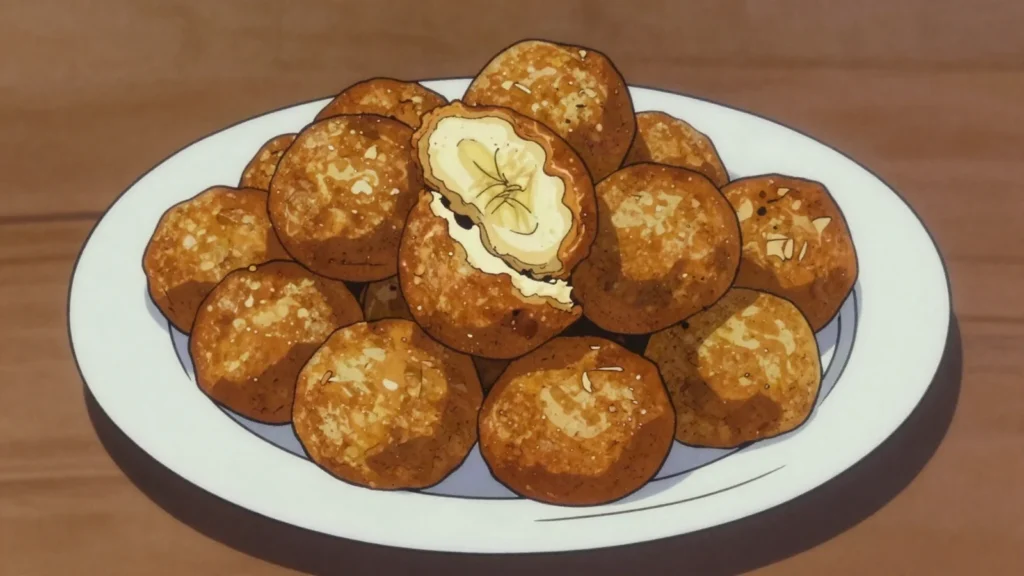
Panikeke is a street food from Samoa: deep-fried round banana pancake balls sold in bags, sweet snack. Adopted from Samoan cooking through church and family links, and sold at Funafuti’s roadside stalls and fundraisers.
How long does Panikeke take to make?
Panikeke takes 15 minutes of preparation and 25 minutes of cooking. The recipe makes makes about 24. It is rated easy to make.
What can I substitute in Panikeke?
Yes, within limits. Coconut milk replaces water for a richer batter. A plain version without banana is also made and is equally normal. Coconut oil replaces vegetable oil for frying and suits the dish. Vanilla, cinnamon or nutmeg flavour the batter. Grated coconut can be worked into the mixture. The eggs can be reduced to one for a plainer, lighter ball.
What is the most important thing to get right in Panikeke?
Add the mashed banana and the eggs. Add water or coconut milk gradually. Mix only until the flour has disappeared. Do not beat it smooth.