
Ingredients
Fish
- 1 kgfresh catfish, in thick steaks
- juice of 1 lemon
- 1 tbspsalt, for cleaning
Thickener
- 300 gyam, peeled and cut in chunks
- or 3 tbsp yam flour
Spices
- 1 tbspground ehuru, calabash nutmeg
- 1 tspground uda, negro pepper
- 2 tbspground crayfish
- 2 tspuziza seeds, ground, if wanted
- 3scotch bonnet chillies, chopped
Aromatics
- 1onion, chopped
- 4garlic cloves, crushed
- 1thumb ginger, grated
- 2stock cubes
- salt
Greens
- a handful of utazi leaves, very finely shredded
- or uziza leaves
To serve
- pounded yam
- fufu
- or rice
Directions
- Roast the ehuru briefly in a dry pan before grinding it. Cleaning the catfish is the step people find unpleasant and must do. Cut it into thick steaks if the fishmonger has not. Put the pieces in a bowl and cover them with the salt. Rub the salt over every surface with your hands. Rinse it and repeat with the lemon juice.
- Rinse again until the fish no longer feels slippery. Boil the yam chunks in salted water for twenty minutes. They should be completely soft. Drain them and pound them in a mortar until smooth. The paste should be smooth with no lumps at all. Roll it into small balls about the size of a walnut. Yam flour whisked into cold water is the shortcut.
- Whisk it to a smooth slurry before it goes anywhere near the pot. Building the broth is done without any oil. Put about a litre of water in a pot and bring it to a simmer. Add the chopped onion, garlic and ginger. Add the ground ehuru, uda and uziza.
- Add the ground crayfish and the chopped scotch bonnet. Crumble in the stock cubes and season with salt. Simmer it for ten minutes so the spices infuse. Adding the fish is done gently. Shake the pot gently instead if you need to move things.
- Simmer it for fifteen minutes. The flesh should be opaque and should flake at the thickest part. Drop the yam balls into the simmering broth one at a time. Let them sit for five minutes to soften.
- Add them a few at a time and check the thickness as you go. If using yam flour, pour the slurry in slowly while stirring. Add hot water if it has gone too thick. Add more yam if it is still thin. Finishing it is done at the very end.
- Scatter the very finely shredded utazi leaves over the pot. Cook it for two minutes only, no longer. Taste the soup and adjust the salt and the heat. It should be peppery, aromatic and clearly hot. Serve it in bowls with pounded yam or fufu alongside. It does not keep as well as oil-based soups, so eat it within a day.
Technique
- No palm oil goes in, which is why it is called white soup.
- Rub the catfish with salt and lemon to remove the mucus before cooking.
- Do not stir once the fish is in, since catfish breaks apart easily.
Substitutions
- Yam flour whisked into cold water in place of pounded yam balls.
- Any firm freshwater fish in place of catfish.
Variations
- Made with goat meat rather than fish.
- With more utazi for a distinctly bitter edge.
- Made hotter, with far more scotch bonnet.
History
An Igbo soup of Anambra riverside towns, pale because no palm oil is used, and traditionally served to new mothers.
Frequently asked questions
What is Ofe nsala?
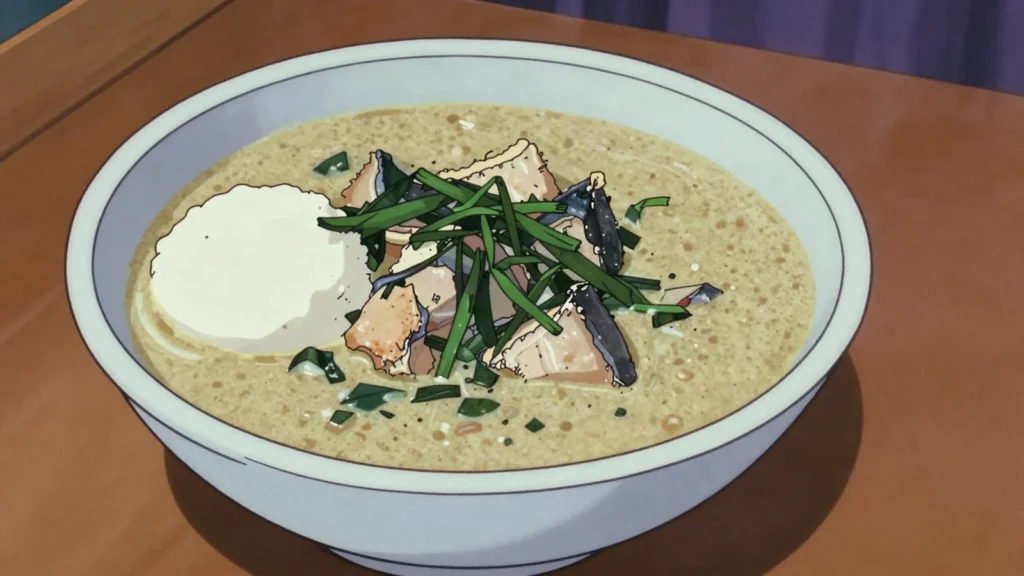
Ofe nsala is a soup & stew from Nigeria: peppery catfish soup thickened with pounded yam, cooked without palm oil. An Igbo soup of Anambra riverside towns, pale because no palm oil is used, and traditionally served to new mothers.
How long does Ofe nsala take to make?
Ofe nsala takes 30 min of preparation and 50 min of cooking. The recipe makes 6 servings. It is rated medium to make.
What can I substitute in Ofe nsala?
Yes, within limits. Yam flour whisked into cold water in place of pounded yam balls. Any firm freshwater fish in place of catfish.
What is the most important thing to get right in Ofe nsala?
Roast the ehuru briefly in a dry pan before grinding it. Cleaning the catfish is the step people find unpleasant and must do. Cut it into thick steaks if the fishmonger has not. Put the pieces in a bowl and cover them with the salt. Rub the salt over every surface with your hands. Rinse it and repeat with the lemon juice.