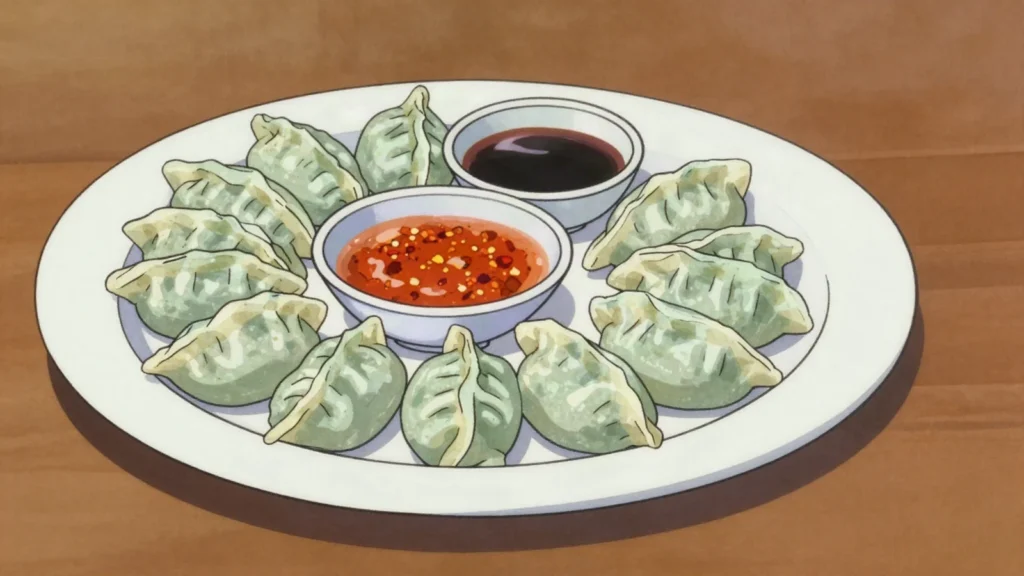

Ingredients
The filling
- 3large chayote
- chouchou, peeled and grated
- 400 gminced pork
- 4spring onions, finely chopped
- 4garlic cloves, crushed
- 3cm ginger, grated
- 2 tablespoonssoy sauce
- 1 tablespoonoyster sauce
- 1 teaspoonsesame oil
- salt and white pepper
To bind
- 150 gcornflour
- or tapioca starch
- plus more for dusting
To steam
- a steamer basket
- banana leaf or baking paper
- to line
- a little oil
To serve
- chilli sauce
- soy sauce
- from a street counter
Directions
- Salt draws water out of the grated flesh. Twenty minutes does most of the work. Peel the chayote with a peeler. Peel it under running water if so. Cutting it is straightforward enough. Cut the peeled chayote in half. Cut out the soft central seed. It is soft and mild when cooked. Grate the chayote on a coarse grater. Use the large holes of the grater.
- Put the grated chayote in a colander. Sprinkle salt over it generously. Toss it so the salt is distributed. Let it drain for twenty minutes. Take handfuls of the drained chayote. Squeeze them hard over the sink. Squeeze it genuinely hard here.
- Keep squeezing until little more comes. The squeezed chayote should feel almost dry. Put the squeezed chayote in a bowl. Add all the minced pork to it. Add the spring onions and garlic.
- Add the grated ginger as well. Add the soy sauce and oyster sauce. Add the sesame oil to it as well. Season it with plenty of white pepper. Taste it before adding any more. Mixing it takes a proper effort. Work it together thoroughly with your hands. Work it in one direction as you mix. Fry a small spoonful in a pan. Taste it and adjust the seasoning. It takes two minutes and is worth it.
- Work about half the cornflour into the mixture. Judging the mixture takes a squeeze. Squeeze a handful in your palm. It should hold together firmly. Add more starch if it will not hold. Take a spoonful of the mixture. Roll it into a ball between your palms.
- Make them about the size of a walnut. Larger ones do not steam through evenly. Keep them all about the same size. Roll each ball in the remaining cornflour. Coat it completely and evenly. It must cover the whole of the ball. Roll them properly rather than quickly. Shake each ball gently afterwards. A thin even coat is what you want.
- Shake off what does not stick. Line the steamer basket with leaf or paper. Brush it over with a little oil. Line and oil the basket properly. Arranging them is straightforward enough. Set all the balls in the basket. Leave space in between each one. Leave a good gap between them.
- Bring the water to a steady boil. Set the steamer basket down over it. Cover the whole pot over tightly. Let them steam for about twenty minutes. The pork must cook right through. Cut one open to check the pork. It should be cooked right through. Steam them longer if there is. Steam condenses on the lid and drips down.
- Wrap the lid in a cloth to catch them. Serving them is always done hot. Lift them all out onto a plate. Serve hot chilli sauce alongside. Serve soy sauce with it as well. They must be eaten hot from the steamer. Steam them again briefly to reheat.
Technique
- Grated chayote releases a great deal of water and it must be salted for twenty minutes and then squeezed genuinely hard — far more comes out than expected. Wet filling cannot be shaped, bursts as it steams, and the starch cannot bind it. The squeezed chayote should feel almost dry and hold together in a ball.
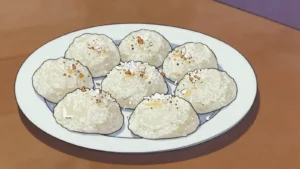
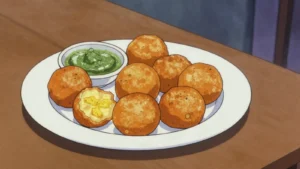
- This is not a wrapped dumpling: some starch is worked into the filling to bind it and the rest coats the outside, setting into the translucent slightly chewy skin that makes them slippery. Coat each ball completely, since bare patches split in the steam, then shake off the excess, since loose starch goes pasty.
- Work the filling in one direction as you mix, which develops the pork into a sticky cohesive paste that holds the dumpling together. Fry one small spoonful and taste it before shaping, since raw pork mixture cannot be tasted.
Substitutions
- Tapioca starch stands in for cornflour and gives a slightly chewier skin.
- Minced chicken replaces the pork in some versions.
Variations
- Hakka and Cantonese migrants settled in Port Louis from the eighteen hundreds; the technique is Chinese and the chayote local, and putting them together is Mauritian.
- Line and oil the steamer basket, since the starch coating glues these down badly to a bare one, and leave gaps since touching dumplings fuse.
- Wrap the steamer lid in a cloth, since condensation dripping down makes the surface pasty.
History
A Sino-Mauritian dumpling built on grated chouchou, brought by Hakka and Cantonese migrants who settled in Port Louis from the 1800s.
Frequently asked questions
What is Niouk yen?
Niouk yen is a street food from Mauritius: steamed chayote and pork dumplings, soft and slippery, dipped in chili. A Sino-Mauritian dumpling built on grated chouchou, brought by Hakka and Cantonese migrants who settled in Port Louis from the 1800s.
How long does Niouk yen take to make?
Niouk yen takes 1 hour of preparation and 25 minutes of cooking. The recipe makes about 30 dumplings. It is rated hard to make.
What can I substitute in Niouk yen?
Yes, within limits. Tapioca starch stands in for cornflour and gives a slightly chewier skin. Minced chicken replaces the pork in some versions.
What is the most important thing to get right in Niouk yen?
Make them about the size of a walnut. Larger ones do not steam through evenly. Keep them all about the same size. Roll each ball in the remaining cornflour. Coat it completely and evenly. It must cover the whole of the ball. Roll them properly rather than quickly. Shake each ball gently afterwards. A thin even coat is what you want.