
Ingredients
What is in the commercial bottle
- Carbonated water
- Sugar, usually as beet or invert sugar
- Hopped malt extract, the flavour base licensed from Roberts in Örebro
- Citric acid
- Caramel colour
- Spice extracts, the exact recipe a family secret since 1910
- No alcohol at all
Home approximation
- 150 glight dried malt extract, or 250 ml liquid malt extract
- 1.5 litreswater
- 250 gcaster sugar
- 3 gbittering hops, such as Northern Brewer
- 1cinnamon stick
- 4cloves
- 2star anise
- 1 tspground ginger
- seeds of 3 cardamom pods
- 1 tbspblack treacle, for colour
- 1 tspcitric acid, or juice of 1 lemon
To carbonate and serve
- ¼ tspchampagne yeast, for bottle carbonation, or a soda siphon
- 2clean 1 litre plastic bottles with tight caps
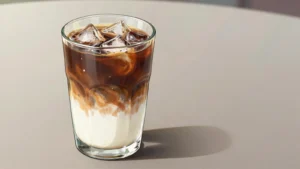
- a glass, chilled to 6 to 8°C (45°F)
Directions
- Add the cinnamon, cloves, star anise, ginger and cardamom for the last 5 minutes only, so the spice stays aromatic rather than woody.
- Strain through muslin into a jug, stir in the sugar and treacle until fully dissolved, and add the citric acid to taste; it should be sweet, faintly bitter and clearly spiced.
- Top up to 2 litres with cold water and cool to below 25°C (75°F). To carbonate naturally, stir in the champagne yeast, bottle in plastic bottles leaving 4 cm of headspace, cap tightly and leave at room temperature 24 to 36 hours until the bottles are rock hard when squeezed, then refrigerate immediately to stop the ferment.
- Chill at least 24 hours; the spice and malt round out considerably in the cold.
Technique
- Julmust outsells cola in Sweden every December, and the same drink is rebranded and sold as påskmust at Easter with different labels and the same recipe.
- The hops matter. Without that light bitterness the drink is just spiced sugar water, and Swedes will immediately notice it tastes wrong.
- If you bottle-carbonate with yeast, use plastic bottles and refrigerate on schedule. Glass bottles left at room temperature can over-pressurise and burst, and a long ferment will also start producing alcohol.
Substitutions
- No malt extract: 200 g of dark rye malt or a bottle of non-alcoholic malt drink boiled down concentrates the same flavour, though it will be less clean.
- For a fully alcohol-free result, force-carbonate with a siphon or a countertop carbonator rather than using yeast.
Variations
- Påskmust, the identical drink sold at Easter.
- Julmust poured half and half with cola, a common teenage habit that horrifies purists.
- Julmust served warm with a cinnamon stick, occasionally offered as a non-alcoholic alternative to glögg.
History
Created in 1910 by Harry Roberts as a non-alcoholic alternative during the temperance era.
Frequently asked questions
What is Julmust?
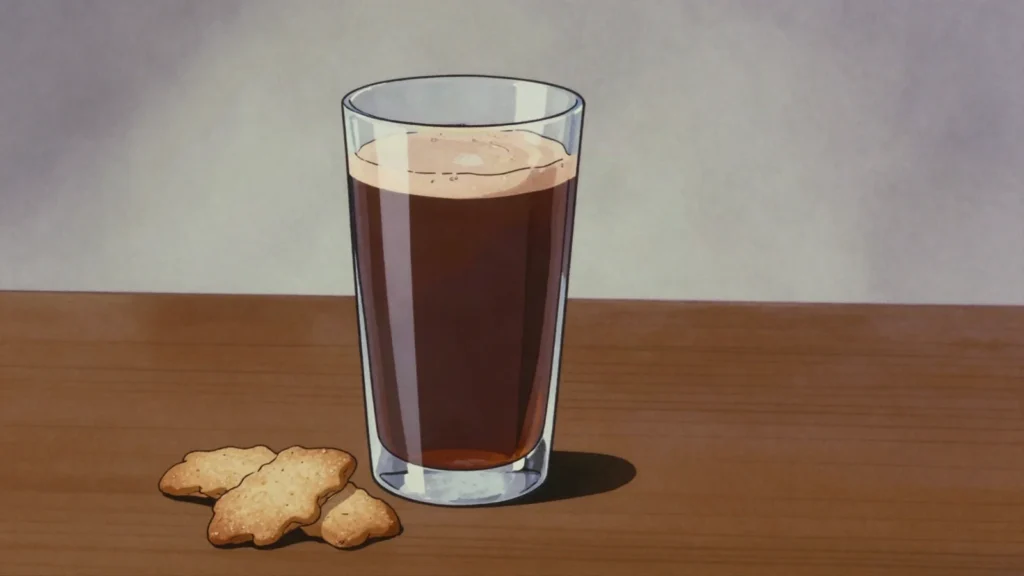
Julmust is a drink from Sweden: dark spiced malt soft drink that outsells cola each Swedish Christmas. Created in 1910 by Harry Roberts as a non-alcoholic alternative during the temperance era.
How long does Julmust take to make?
Julmust takes 20 min of preparation and 3 days chilling and carbonating of cooking. The recipe makes 2 litres. It is rated medium to make.
What can I substitute in Julmust?
Yes, within limits. No malt extract: 200 g of dark rye malt or a bottle of non-alcoholic malt drink boiled down concentrates the same flavour, though it will be less clean. For a fully alcohol-free result, force-carbonate with a siphon or a countertop carbonator rather than using yeast.
What is the most important thing to get right in Julmust?
Add the cinnamon, cloves, star anise, ginger and cardamom for the last 5 minutes only, so the spice stays aromatic rather than woody.