
Ingredients
Drink
- 200 gmillet flour
- 2 litreswater
- 150 gsugar
- 5 gfresh yeast, or 3 tbsp of a previous batch
- 1strip lemon peel
Directions
- Whisk the millet flour into 500 ml of the cold water until completely smooth. Flour tipped into hot water lumps on contact and the lumps never come out.
- Bring the remaining 1.5 litres to the boil, pour in the slurry while stirring hard, and cook over a low heat for 25 minutes until it thickens to a thin porridge and the raw flour taste has gone.
- Take it off the heat, stir in half the sugar and the lemon peel, and leave it to cool to lukewarm, about blood heat. Hotter than that kills the yeast, and much colder and the ferment never gets going.
- Strain it through a fine sieve, pressing hard on the solids. Braga should be thick but perfectly smooth, and unstrained it is gritty on the tongue.
- Stir in the yeast, or three spoonfuls of a previous batch, which is how it was traditionally carried from one making to the next.
- Cover the bowl with a cloth rather than a lid and leave it at room temperature for 24 to 36 hours. It needs air; sealed tight, pressure builds and the flavour turns yeasty instead of clean and sour.
- Taste it at 24 hours. It should be faintly sour and lightly fizzy rather than sharp. This is a soft drink, well under one per cent alcohol, and left running for days it becomes something else entirely.
- Stir in the remaining sugar to taste, pour into bottles without sealing them tightly, and refrigerate.
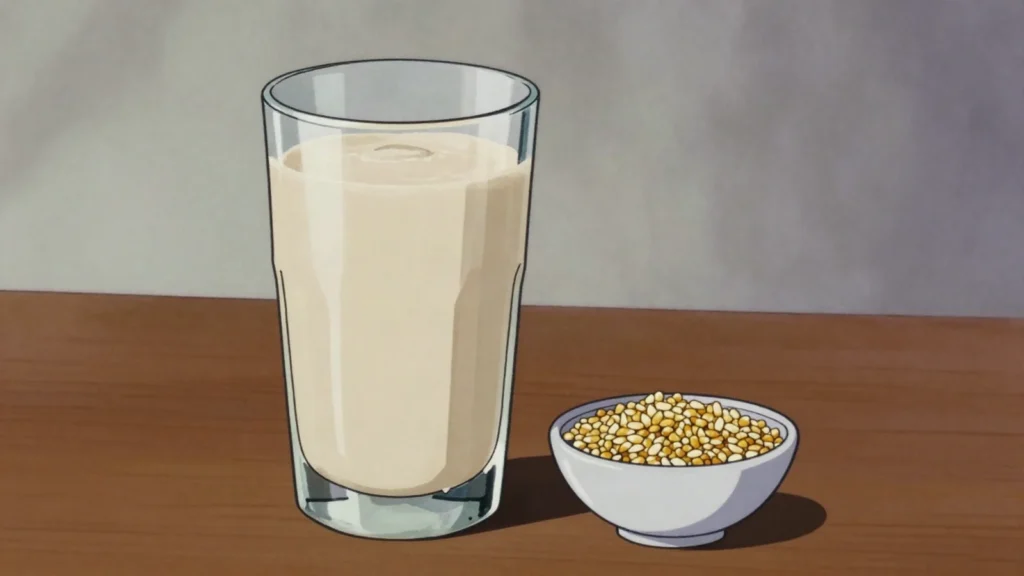
- Serve very cold and thick enough to coat the inside of the glass, poured from a jug the way the seaside vendors pour it from their tanks.
Technique
- Cloth, not a lid. Lukewarm, not hot. Stop at 36 hours. Those three things keep it a soft drink.
- It is a close relative of Turkish and Bulgarian boza, brought by Ottoman-era vendors, and it is still sold at Romanian seaside resorts and old-town kiosks.
- Chill it hard before serving. Warm braga tastes of raw flour.
Substitutions
- Fine cornmeal or plain wheat flour, both of which are used in Romania.
- A crust of rye bread instead of yeast, for a slower and more sour result.
Variations
- With some of the millet toasted first, for a darker colour and a nuttier flavour.
- Boza, the thicker Turkish and Bulgarian version, usually dusted with cinnamon and roasted chickpeas.
- Thinned with cold water and served as a long summer drink.
History
Brought by Ottoman-era vendors and still sold at Romanian seaside resorts and old-town kiosks.
Frequently asked questions
What is Braga?
Braga is a drink from Romania: thick fermented millet drink, lightly sour, sold cold from tanks. Brought by Ottoman-era vendors and still sold at Romanian seaside resorts and old-town kiosks.
How long does Braga take to make?
Braga takes 20 min plus 24 hr fermenting of preparation and 30 min of cooking. The recipe makes 2 litres. It is rated easy to make.
What can I substitute in Braga?
Yes, within limits. Fine cornmeal or plain wheat flour, both of which are used in Romania. A crust of rye bread instead of yeast, for a slower and more sour result.
What is the most important thing to get right in Braga?
Whisk the millet flour into 500 ml of the cold water until completely smooth. Flour tipped into hot water lumps on contact and the lumps never come out.