The oldest cultivated grain in the Near East, now grown mostly to be malted and fed to yeast rather than eaten.
Where it comes from
Barley was domesticated alongside einkorn and emmer in the Fertile Crescent and was the bread grain of the ancient Near East and Egypt long before wheat displaced it. It ripens fast, tolerates poor and salty soils and short seasons, which is why it persisted where wheat could not — northern Europe, the Tibetan plateau, the Andean highlands.
Most of the crop today goes to animal feed and to malting. Malting means letting the grain sprout so it makes the enzymes that turn its own starch to sugar, then killing it with heat. That sugar is what beer and whisky are made from.
Varieties
- Pearl barley — Polished to remove the hull and bran. Cooks in well under an hour and thickens a soup as it goes.
- Pot / hulled barley — Only the inedible hull removed. Chewier, nuttier, much longer cooking, and a whole grain in a way pearl barley is not.
- Malted barley — Sprouted and kilned. Pale malt for fermentable sugar, dark and roasted malts for colour and the coffee-and-toffee flavours in stout.
- Tsampa — Tibetan roasted barley flour, eaten stirred into butter tea rather than baked.
- Barley flour — Low gluten, faintly sweet. Flatbreads and, historically, the poor relation of wheat bread across northern Europe.
In the kitchen
Barley releases a lot of soluble fibre as it cooks, which is why a barley soup thickens overnight into something closer to a stew. Add liquid on reheating and expect to.
It does not go soft and collapse the way rice does, so it holds up in a long-simmered dish where rice would disintegrate.
Dishes with barley
 VerivorstBarley blood sausage with lingonberry jam and sauerkraut; Christmas.
 PilsnerGolden hopped lager born in Plzeň, 1842; the original pils.
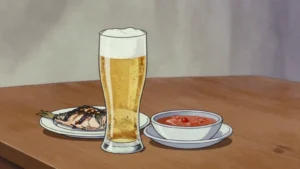 Star beerpale lager brewed in Freetown, the country's national beer
 HighballWhisky and cold soda over ice, the default first drink at izakaya
 TuskerPale lager with an elephant on the label, the default Kenyan beer
 ManhattanRye whiskey stirred with sweet vermouth and bitters, garnished with a cherry
 Taiwan BeerLight lager brewed with Penglai rice, drunk ice-cold with night-market food
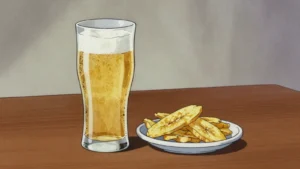 Cerveza BalboaPale lager named for the conquistador, drunk cold in the heat
Barley is tagged on 179 dishes from 99 countries in the atlas. These notes are written from general knowledge and carry no per-fact citation — see About.