
Ingredients
Rice
- 600 gbasmati rice
- 3 tbspsalt, for the soaking water
Barberries
- 100 gdried zereshk, barberries
- 50 gbutter
- 2 tbspsugar
- a pinch of saffron
Saffron
- a generous pinch of saffron threads
- 1 tspsugar
- 3 tbsphot water
Tahdig
- 100 gbutter or oil
- 2 tbspyoghurt
- 1potato, sliced, or 2 flatbreads, optional
Chicken
- 6chicken pieces
- 2onions
- 1 tspturmeric
- a pinch of saffron
- 2 tbsptomato paste
- salt and pepper
To serve
- slivered pistachios and almonds
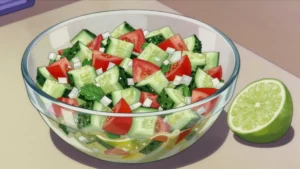
- salad shirazi
Directions
- Soak them in cold water for 10 minutes, then drain them well. Add the drained barberries and a spoonful of sugar and stir for 30 to 60 seconds only. One minute at most, over a low heat, stirring the whole time.
- Take the pan off the heat the moment they brighten, and tip them out of the hot pan immediately. Add a spoonful of bloomed saffron and set them aside. Grind the threads with a pinch of sugar in a mortar, then steep them in hot water for 20 minutes. The liquid should be deep orange-gold.
- Rinse the basmati in several changes of water until it runs clear. Now soak it in heavily salted water for at least 2 hours. Drain it and boil it in a large pot of well-salted water for only 5 to 7 minutes.
- Take it out while it is still firm at the centre, since it steams for another hour afterwards. Bite a grain: soft outside, hard in the middle. Drain it and rinse it briefly in lukewarm water. Heat the butter and oil in the pot and add a layer to form the crust.
- Mix a few ladles of rice with the yoghurt and a little saffron water and press that in as the base, or lay in sliced potato or flatbread. Yoghurt tahdig gives a golden crisp crust and potato gives an easier and very forgiving one, and both are traditional.
- Press the base layer down firmly and evenly, since gaps become holes in the crust. Do not press the upper rice down, which compacts it. Heap it loosely into a pyramid so steam can move through. Make a few holes down through the rice with the handle of a spoon.
- Pour over a little melted butter and the saffron water. The cloth absorbs the condensation that would otherwise drip back onto the rice and make it wet, and it is standard Persian practice.
- Cook on a medium heat for 10 minutes until it steams, then reduce it to the lowest possible setting. Steam it for 45 minutes to an hour. Do not lift the lid during the steaming, which releases the steam doing the work.
- Fry the onions until golden, add the chicken and brown it, then the turmeric, tomato paste and saffron. Add a little water and simmer, covered, for 40 minutes until tender. Scatter the barberries over the top rather than mixing them through.
- Break the tahdig off the base and serve it in pieces alongside or on top. Lay the chicken alongside and scatter pistachios and almonds over. Serve with salad shirazi and yoghurt.
Technique
- Barberries come almost entirely from South Khorasan.
- They burn in under a minute, which is the main risk in the dish.
- Tahdig is served deliberately rather than left in the pot.
Substitutions
- Dried cranberries, which are far sweeter and are not the same.
- Potato tahdig, which is the most forgiving.
Variations
- With lamb instead of chicken.
- Made as tahchin, baked with yoghurt and egg.
- With more nuts, as a wedding version.
History
Saffron rice studded with barberries, a small, intensely tart red berry native to Iran and long cultivated there, combined most often with chicken, developed within the wider Persian tradition of polo, or elaborately prepared rice dishes, in which specific fruits, nuts or herbs are layered into or over the rice to create a named variety distinct from plain steamed rice. Barberries require careful preparation, briefly sautéed in butter with a touch of sugar to balance their intense natural tartness before being mixed into or scattered over the finished rice, a technique developed and refined over generations of Persian home and court cooking. Zereshk polo remains one of the most recognized and commonly served dishes within the broader Persian polo tradition, closely associated with both everyday family meals and more formal occasions.
Frequently asked questions
What is Zereshk polo?
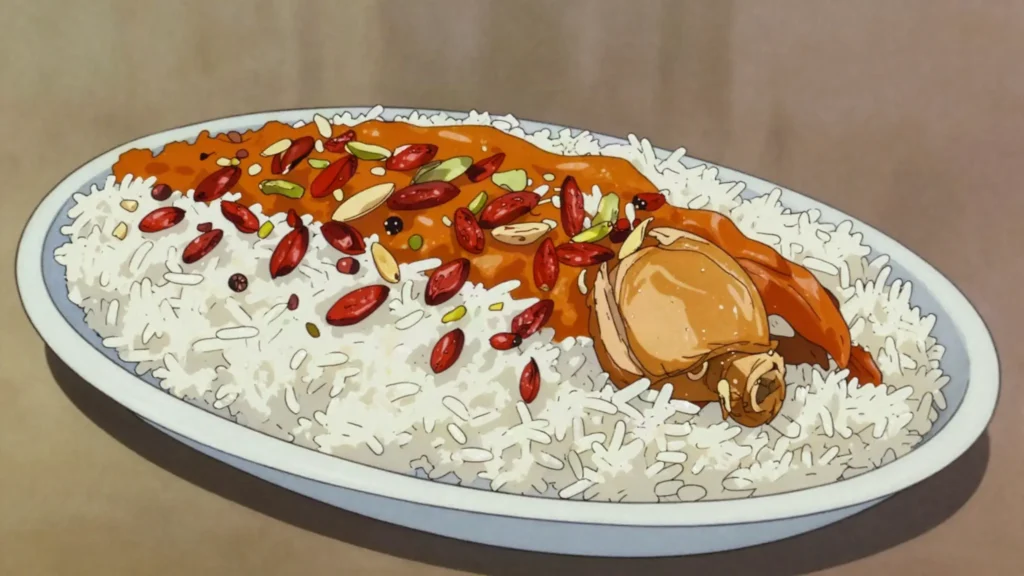
Zereshk polo is a main from Iran: barberry-jeweled saffron rice served with chicken. Saffron rice studded with barberries, a small, intensely tart red berry native to Iran and long cultivated there, combined most often with chicken, developed within the wider Persian tradition of polo, or elaborately prepared rice dishes, in which specific fruits, nuts or herbs are layered into or over the rice to create a named variety distinct from plain steamed rice. Barberries require careful preparation, briefly sautéed in butter with a touch of sugar to balance their intense natural tartness before being mixed into or scattered over the finished rice, a technique developed and refined over generations of Persian home and court cooking. Zereshk polo remains one of the most recognized and commonly served dishes within the broader Persian polo tradition, closely associated with both everyday family meals and more formal occasions.
How long does Zereshk polo take to make?
Zereshk polo takes 40 min plus 2 hr soaking of preparation and 1 hr 30 min of cooking. The recipe makes 6 servings. It is rated hard to make.
What can I substitute in Zereshk polo?
Yes, within limits. Dried cranberries, which are far sweeter and are not the same. Potato tahdig, which is the most forgiving.
What is the most important thing to get right in Zereshk polo?
Soak them in cold water for 10 minutes, then drain them well. Add the drained barberries and a spoonful of sugar and stir for 30 to 60 seconds only. One minute at most, over a low heat, stirring the whole time.