
Ingredients
Roses
- 2 kgfresh Damask rose petals, unsprayed
- 3 litreswater
Equipment
- a large heavy pot with a domed lid
- a heatproof bowl that sits inside the pot
- a brick or trivet to raise the bowl
- plenty of ice
- sterilised glass bottles
Note
- use only unsprayed roses grown for eating, never florist roses
Directions
- Use Rosa damascena, the Damask rose, which is the variety grown for this purpose. Never use florist roses, which are grown with pesticides not approved for food. Pick your own unsprayed roses, or buy petals sold specifically as culinary. Pick them at dawn before the sun has drawn off the oils. The scent is strongest in the first hours of the morning and fades by midday.
- Use them the same day, since petals lose fragrance within hours of picking. Now preparing the petals, which needs care rather than force. Pull the petals from the flowers and discard the green bases. The white heel at the base of each petal is bitter and should be removed.
- Shake the petals to dislodge insects rather than washing them. Set a brick or a low trivet in the centre of the large pot. Put the petals in the pot around the brick, not on top of it. Pour in the water so it covers the petals but stays below the top of the brick. Set the empty heatproof bowl on top of the brick, above the water line. Now the lid, which must go on upside down.
- Steam will rise, hit the cold lid, condense and run to the point, then drip into the bowl. Now running the still, which is slow and must not be rushed. Bring the pot to a bare simmer over a low heat. Pile ice into the inverted lid to keep it cold.
- Keep it simmering for about two hours. Do not lift the lid to check, since you lose the accumulated steam each time. Turn off the heat and let it stand for ten minutes before lifting the lid.
- Lift the lid away from you, since the trapped steam will scald. Now bottling, which should be done as soon as it has cooled. Lift the collecting bowl out with tongs and let the rosewater cool. Pour it into sterilised bottles and seal them. It keeps for about a year and gradually loses strength.
- Use it by the teaspoon rather than the tablespoon in most dishes. Too much rosewater tastes of soap, which is the usual mistake.
Technique
- Use only unsprayed culinary Damask roses, never florist roses.
- Simmer gently, since a hard boil sends water over and dilutes the distillate.
- Stop the run early, since the last of it is weak and grassy.
Substitutions
- Any highly scented unsprayed garden rose, though Damask is best.
- A stovetop still or alembic if you own one.
Variations
- Rose syrup, made by boiling the rosewater with sugar.
- A double distillation, running the rosewater through fresh petals.
- Combined with orange blossom water for sherbet.
History
Distilled around Kashan each May at the golab-giri season; Kashan rosewater is sent to Mecca to wash the Kaaba.
Frequently asked questions
What is Golab?
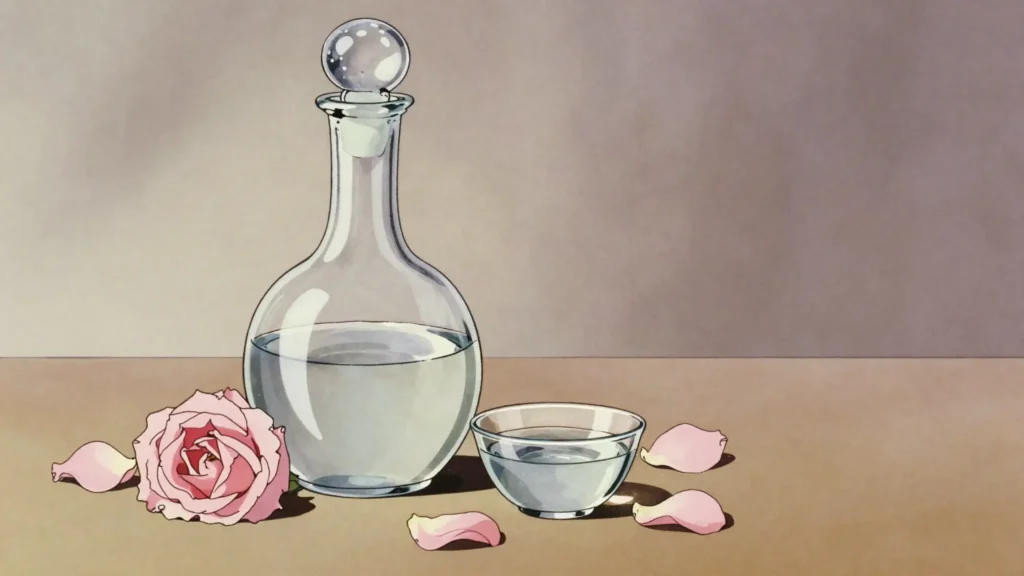
Golab is a sauce & condiment from Iran: rosewater distilled from Damask roses, splashed into sweets and tea. Distilled around Kashan each May at the golab-giri season; Kashan rosewater is sent to Mecca to wash the Kaaba.
How long does Golab take to make?
Golab takes 30 min of preparation and 2 hours of cooking. The recipe makes about 1 litre. It is rated hard to make.
What can I substitute in Golab?
Yes, within limits. Any highly scented unsprayed garden rose, though Damask is best. A stovetop still or alembic if you own one.
What is the most important thing to get right in Golab?
Use Rosa damascena, the Damask rose, which is the variety grown for this purpose. Never use florist roses, which are grown with pesticides not approved for food. Pick your own unsprayed roses, or buy petals sold specifically as culinary. Pick them at dawn before the sun has drawn off the oils. The scent is strongest in the first hours of the morning and fades by midday.