
Ingredients
The seeds
- 500 gzamnè
- dried Senegalia macrostachya seeds
- sold at West African grocers
- picked over for grit
- soaked overnight
- a pinch of bicarbonate of soda
- optional
The base
- 3onions, sliced
- 4 clovesgarlic, crushed
- 4 tablespoonsoil
- or groundnut oil
- 3tomatoes, chopped
- or 2 tablespoons tomato purée
- 1stock cube
- or salt to taste
- 1hot chilli, chopped
Sometimes added
- 2 tablespoonsground dried fish
- or ground crayfish
- 1 tablespoonsoumbala
- fermented locust bean
- a little ginger, grated
To serve
- fried or grilled fish
- or grilled meat
- sliced raw onion
- a tomato salad
- attiéké or rice, optional
Directions
- Pick through the seeds for grit and stones. Rinse them well in cold water. Cover them generously with fresh water. Soak them overnight at minimum. Soak them in the fridge in hot weather. Warm soaking water ferments and turns sour. Drain them and discard that water.
- Use only a very small pinch of it. Too much tastes soapy and unpleasant. Put the drained seeds in a large pot. Cover them with plenty of fresh water. Cover them by at least five centimetres. Bring them to a full rolling boil. Boil them hard for the first ten minutes. Skim off any foam that rises up. Simmer them for at least two hours. Three full hours is often needed.
- Salt added early toughens the skins. Check the water level every half hour. Top up with boiling water, never cold. Cold water halts the cooking entirely. Drain them when they are ready. Keep some cooking liquid for the sauce.
- Heat the oil in a large heavy pan. Add the sliced onions with a pinch of salt. Cook them slowly until soft and golden. That takes about fifteen minutes.
- Add the crushed garlic and the chilli. Add ginger if you are using it. Cook them together for two minutes. Add the tomato purée and fry it. Fry it for two or three minutes. Add the chopped fresh tomatoes. Cook them down until they collapse. That softening takes about ten minutes. Add the ground dried fish if using it. Add the soumbala if you have any.
- Add the stock cube or the salt. Add the cooked zamnè to the pan. Add a little of the cooking liquid. Stir it all through thoroughly. Season with salt and black pepper. Simmer it together for fifteen minutes. That lets the seeds take on the flavour.
- Add more liquid if it dries out. The finished dish should be moist. Taste and correct the seasoning. Cooked zamnè keeps four days refrigerated.
Technique
- These seeds are extremely hard and take two to three hours of simmering even after an overnight soak. There is no shortcut. Test several seeds rather than one, since they cook at different rates, and expect them to stay firm rather than going soft — that firm slightly waxy texture is part of the appeal.
- Do not salt them while boiling. Salt added early toughens the skins; season once they are tender.
- Top up with boiling water, never cold. Cold water halts the cooking and can leave the seeds permanently hard.
- A small pinch of bicarbonate of soda softens them considerably faster by raising the alkalinity and breaking down cell walls. Too much tastes soapy and it destroys some vitamins, so many cooks skip it and simply boil for longer.
- Buy the seeds from a West African grocer rather than gathering them. Identifying Sahelian acacias is not a beginner task, many related species are not eaten, and some legume seeds are genuinely toxic.
- Zamnè must be soaked and boiled thoroughly. That combination is the established preparation for these wild seeds, not an optional refinement, and undercooked seeds are hard and indigestible.
- Zamnè was long a famine food eaten when other food ran short, and it has become a sought-after Ouagadougou delicacy served at celebrations, with prices to match. That shift is documented and recent — the same path lobster and oysters took elsewhere.
- Rising demand puts pressure on wild stands, since zamnè is gathered rather than farmed, and cultivation efforts have begun in response. The atlas notes that without overstating it.
- Soumbala, fermented locust bean, is the same ingredient as Senegalese nététou and Nigerian dawadawa or iru. A little goes a very long way.
Substitutions
- There is no close substitute for zamnè, and the atlas will not invent one. It is sold dried by West African grocers and by some online sellers.
- Ground crayfish replaces ground dried fish closely.
- Soumbala can be left out if unavailable; the dish loses a distinctive savoury depth but still works.
- Groundnut oil is traditional; any neutral oil substitutes.
- A stock cube is what most cooks in the region actually use; salt and a good stock do the same job.
- The dish can be made without any fish or meat seasoning for a vegetarian version.
Variations
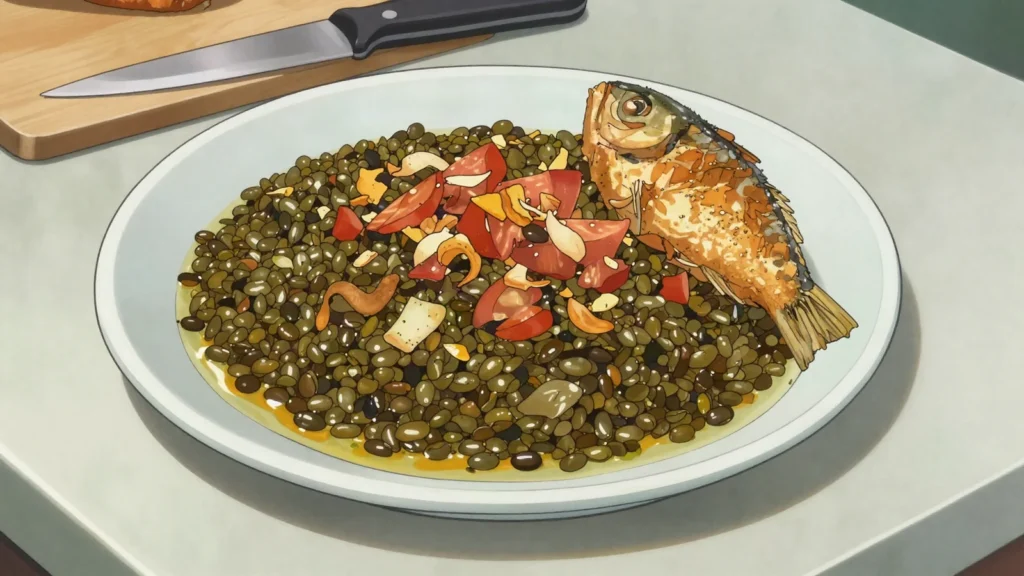
- Zamnè with fried fish is the classic festive plate in Ouagadougou.
- A version with more tomato and chilli gives a saucier, hotter dish.
- Some cooks add a handful of groundnuts, which enriches it considerably.
- Zamnè is also sold ready cooked at markets, seasoned and packed for taking home.
- Related wild seeds and pods are gathered and cooked across the Sahel under their own names.
- A version served over attiéké or rice turns it from an accompaniment into a main dish.
History
Harvested from Senegalia macrostachya bush in the Sahel and once a famine food, zamnè is now a Ouagadougou delicacy sold at festive tables.
Frequently asked questions
What is Zamnè?
Zamnè is a salad & side from Burkina Faso: tiny wild acacia seeds boiled soft and served with fried fish or meat. Harvested from Senegalia macrostachya bush in the Sahel and once a famine food, zamnè is now a Ouagadougou delicacy sold at festive tables.
How long does Zamnè take to make?
Zamnè takes 20 minutes plus overnight soaking of preparation and 3 hours of cooking. The recipe makes serves 6. It is rated medium to make.
What can I substitute in Zamnè?
Yes, within limits. There is no close substitute for zamnè, and the atlas will not invent one. It is sold dried by West African grocers and by some online sellers. Ground crayfish replaces ground dried fish closely. Soumbala can be left out if unavailable; the dish loses a distinctive savoury depth but still works. Groundnut oil is traditional; any neutral oil substitutes. A stock cube is what most cooks in the region actually use; salt and a good stock do the same job. The dish can be made without any fish or meat seasoning for a vegetarian version.
What is the most important thing to get right in Zamnè?
Salt added early toughens the skins. Check the water level every half hour. Top up with boiling water, never cold. Cold water halts the cooking entirely. Drain them when they are ready. Keep some cooking liquid for the sauce.