
Ingredients
The tubers
- 1.5 kgtannia cocoyam
- matabala, scrubbed
- water, to cover
- salt
Sometimes cooked with
- 1onion, halved
- 1bay leaf
- a piece of dried fish
To serve
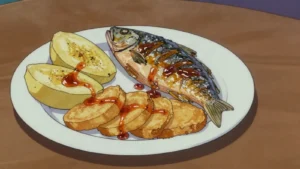
- grilled or stewed fish
- palm oil
- a hot pepper sauce
- lime wedges
Directions
- Taste a very small piece before serving. Cook it longer if you notice that. Scrub them with a stiff brush. Peel the tubers with a sharp knife. The skin is thick and does not come off easily.
- Cut down through it with a knife instead. Take off a good layer beneath the skin. Peel generously rather than thinly. Oil your hands before you start peeling. Or wear gloves if you are sensitive.
- Put the peeled tubers into cold water. That stops them discolouring as you work. Cut the peeled tubers into thick chunks. Aim for about five centimetres. Cut them larger than seems necessary. Put the chunks in a large pot. Cover them well with cold water.
- Add plenty of salt to the water. They need salt to taste of anything. Salt the water quite generously. Add a halved onion to the pot. Add a whole bay leaf in with it. Cooking them takes about half an hour.
- Bring the pot up to a full boil. Let it boil steadily throughout. Give it about thirty full minutes. Keep it at a proper rolling boil. Judging them takes a proper test. Taste a very small piece once cooked. It should taste plain and starchy. Boil it longer if you notice any.
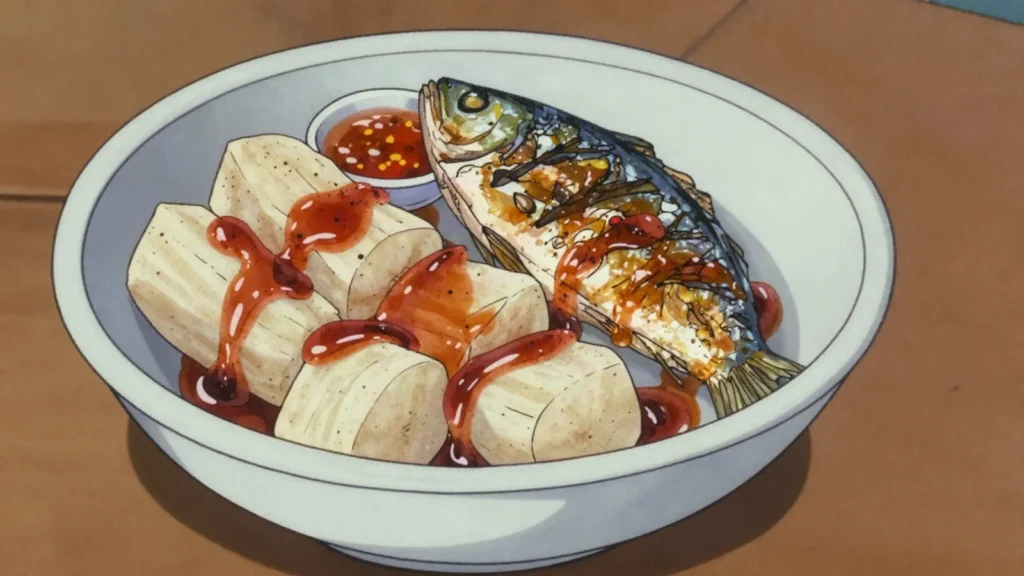
- Take it off as soon as it is tender. Draining it is straightforward enough. Drain all the tubers thoroughly. Discard the cooking water entirely. Do not use it for anything else. Return the drained chunks to the hot pot. Let them steam dry for a minute. Serving it is always done hot. Set the chunks out on a platter.
- Pour red palm oil over all of them. It soaks into the hot starchy flesh. Serve grilled or stewed fish with it. Put a hot pepper sauce on the table. It keeps two days refrigerated.
Technique
- Aroids contain calcium oxalate raphides, sharp needle-shaped crystals that cause a burning itch in the mouth and irritate skin on handling; the tubers must never be eaten raw and must be boiled right through. Taste a small piece once cooked — any prickle or itch means it needs longer. Oil your hands or wear gloves when peeling, since the raw sap causes itching that lasts hours.
- Tannia is Xanthosoma sagittifolium, an American aroid carried across the Atlantic, while taro is Colocasia and comes from Asia; both are called cocoyam and the distinction is often blurred in practice, but they are different plants. The smaller side corms are usually the ones eaten, being smoother and less fibrous.
- Peel generously with a knife rather than a peeler, taking off a good layer beneath the skin, since that layer is fibrous and holds more of the irritants; and cut the chunks larger than seems necessary, since small pieces break up in the water.
Substitutions
- Taro is cooked the same way, though it is a different plant.
- A halved onion, a bay leaf or a piece of dried fish in the water gives a savoury background.
Variations
- Red palm oil is poured over generously and soaks into the hot starchy flesh.
- It is the starch of the plate alongside grilled or stewed fish, not a side dish.
- Different varieties differ in oxalate content, so judge the cooking time batch by batch.
History
Tannia cocoyam, an American aroid carried across the Atlantic, boiled as a starch alongside fish.
Frequently asked questions
What is Matabala?
Matabala is a salad & side from São Tomé and Príncipe: boiled tannia cocoyam tubers accompanying fish. Tannia cocoyam, an American aroid carried across the Atlantic, boiled as a starch alongside fish.
How long does Matabala take to make?
Matabala takes 20 minutes of preparation and 40 minutes of cooking. The recipe makes serves 6. It is rated easy to make.
What can I substitute in Matabala?
Yes, within limits. Taro is cooked the same way, though it is a different plant. A halved onion, a bay leaf or a piece of dried fish in the water gives a savoury background.
What is the most important thing to get right in Matabala?
Cut down through it with a knife instead. Take off a good layer beneath the skin. Peel generously rather than thinly. Oil your hands before you start peeling. Or wear gloves if you are sensitive.