
Sorghum beer brewed by women known as dolotières and sold in neighbourhood cabarets across Burkina Faso. It is cloudy, sour and lightly alcoholic, drunk from calabashes, and poured in libation at Mossi funerals and harvest rites.
Home brewing of alcohol is licensed or restricted in most of the atlas’s readership, and the ferment depends on a resident culture in vessels used continuously for years.
What goes into it
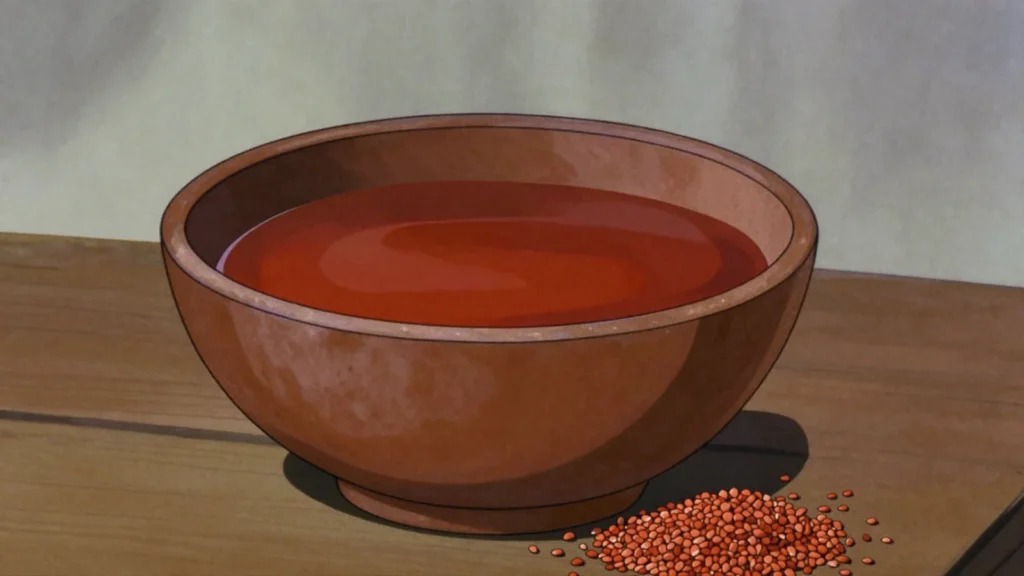
- red sorghum
- water
How it is made
Sorghum is steeped and sprouted for several days, dried, and ground into malt. The malt is boiled for hours, cooled, and left to sour and ferment overnight with the culture living in the brewer’s own pots. It is sold and drunk the following day while still working, because it turns vinegary within about 48 hours.
How long it takes: three to four days from grain to calabash
How it is eaten
From a calabash in a cabaret, at funerals, weddings and communal work parties.
History
Sorghum beer brewed by women known as dolotières and sold in neighbourhood cabarets; it is poured in libation at Mossi funerals and harvest rites.
Frequently asked questions
What is Dolo?
Dolo is a wine & spirit from Burkina Faso: home-brewed sorghum beer served in calabashes. Sorghum beer brewed by women known as dolotières and sold in neighbourhood cabarets; it is poured in libation at Mossi funerals and harvest rites.
How is Dolo made?
Sorghum is steeped and sprouted for several days, dried, and ground into malt. The malt is boiled for hours, cooled, and left to sour and ferment overnight with the culture living in the brewer’s own pots. It is sold and drunk the following day while still working, because it turns vinegary within about 48 hours. It takes three to four days from grain to calabash.
Can I make Dolo at home?
No, and the atlas gives no method for it. Home brewing of alcohol is licensed or restricted in most of the atlas’s readership, and the ferment depends on a resident culture in vessels used continuously for years.
What goes into Dolo?
Red sorghum, water.
How is Dolo eaten?
From a calabash in a cabaret, at funerals, weddings and communal work parties.