
Ingredients
Fruit
- 1 kglapsi, Nepali hog plum, Choerospondias axillaris
Seasoning
- 3 tbspsalt
- 2 tbspchilli powder
- 2 tbspsugar, or to taste
- 1 tspground cumin
- 1 tsptimur, Nepali Sichuan pepper, ground
- 1 tspblack salt, optional
Equipment
- a large pot
- trays and muslin, for drying
- a sunny place
To serve
- as a snack, from a jar
Directions
- Use ripe lapsi, which is yellowish and gives slightly when pressed. Wash the fruit thoroughly in cold water. Now boil the whole fruit until it is soft.
- Simmer it in water for 20 to 30 minutes until the skins split and the flesh softens. Boil it whole rather than trying to peel or stone it raw. Drain it and let it cool enough to handle.
- Squeeze and rub each fruit so the pulp comes away, or push the whole lot through a coarse sieve. Discard the stones as you work. Simmer it gently, stirring, until it thickens into a stiff paste. Stir it often, since fruit pulp catches and scorches readily on the base.
- Cook it until a spoon drawn through leaves a channel that holds, which takes 15 to 20 minutes. Now the seasoning, which is done to taste. Add the salt, chilli, sugar, cumin and timur and mix thoroughly. Taste and adjust, and be bold. Black salt adds a sulphurous depth if you have it.
- Spread it thin and evenly, since thick patches will not dry through and will spoil. Dry it in strong sun for three to five days, bringing it indoors overnight.
- Bring it in at night and cover it, since dew and damp air undo a day’s drying and encourage mould. Cover it with muslin during the day to keep insects and dust off.
- Turn the pieces daily so they dry evenly on both sides. It is ready when it is leathery and chewy but no longer sticky or wet to the touch. Serve it as a snack, a piece at a time.
Technique
- Lapsi is Nepal’s national fruit in common regard and is specific to the region.
- Dozens of commercial forms are sold, from sugared cubes to dried strips.
- It is chewed on long journeys and is thought to settle the stomach.
Substitutions
- Tamarind or sour plum pulp, which gives a related but different sweet.
- There is no true substitute for lapsi.
Variations
- Sugared, as sweet titaura.
- Made very hot, with extra chilli.
- Dried in flat sheets and cut into strips.
History
Made from the hog plum native to Nepal’s middle hills; sold in Kathmandu shops as a schoolchildren’s sweet.
Frequently asked questions
What is Titaura?
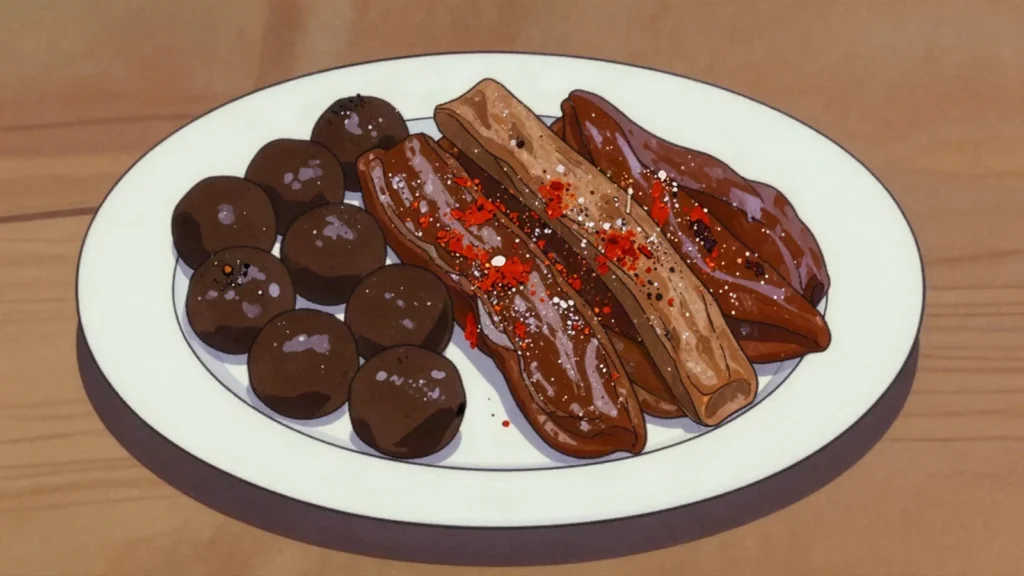
Titaura is a snack from Nepal: chewy sour-sweet balls of dried lapsi fruit rolled in salt and chilli. Made from the hog plum native to Nepal’s middle hills; sold in Kathmandu shops as a schoolchildren’s sweet.
How long does Titaura take to make?
Titaura takes 40 min plus 3 to 5 days drying of preparation and 30 min of cooking. The recipe makes about 400 g. It is rated medium to make.
What can I substitute in Titaura?
Yes, within limits. Tamarind or sour plum pulp, which gives a related but different sweet. There is no true substitute for lapsi.
What is the most important thing to get right in Titaura?
Use ripe lapsi, which is yellowish and gives slightly when pressed. Wash the fruit thoroughly in cold water. Now boil the whole fruit until it is soft.