Ingredients
The meat and broth
- 1.2 kgbone-in lamb shoulder or neck
- cut into large pieces
- or 1 whole chicken, jointed
- 3 litrescold water
- 2onions, quartered
- 6 clovesgarlic, whole
- 2bay leaves
The spicing
- 1 tablespoonbaharat
- Iraqi seven-spice blend
- 1 teaspoonground turmeric
- 1 teaspoonground cumin
- half a teaspoon ground cinnamon
- 1dried lime, pierced
- or 2 dried limes for a sharper broth
- salt and black pepper
The body of the stew
- 400 gcooked chickpeas
- or 200 g dried chickpeas
- soaked overnight
- 3 tablespoonstomato purée
- 3ripe tomatoes, chopped
- 2 tablespoonsoil or ghee
The bread
- 3large thin flatbreads
- khubz or samoon or lavash
- day-old bread is better than fresh
- torn into rough pieces
To serve
- chopped flat-leaf parsley
- sliced raw onion
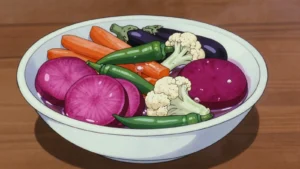
- pickled vegetables, torshi
- lemon wedges
- a bowl of plain yoghurt
Directions
- Start with the meat, since the broth takes time. Both have enough fat and connective tissue. Rinse the meat under cold running water first. Put it in a large pot and cover with cold water. Bring it slowly up to a full rolling boil. Skim it off carefully with a large metal spoon.
- Keep skimming until no more scum appears. The surface should barely tremble, not bubble. Add the quartered onions and the whole garlic. Add the bay leaves to the pot as well. One lime is enough for most people’s taste. Add the turmeric, cumin and cinnamon now. Add the baharat, which is the main spice blend. Buy it from a Middle Eastern shop if you can.
- Simmer the pot gently for two full hours. Lamb neck may need closer to two and a half. Skim the fat off the surface from time to time. Leave a little fat, because it carries flavour. If using dried, they must be soaked overnight.
- Drain them and boil them in plenty of fresh water. Boil them hard for the first ten minutes. Then simmer them until they are fully tender. Drain and rinse them well before using them. Heat the oil or ghee over a medium flame. Add the tomato purée and fry it for two minutes. It should darken slightly and smell sweeter. Add the chopped fresh tomatoes to the pan.
- Cook them down until they collapse completely. This takes about ten minutes of steady cooking. Ladle in some hot broth from the main pot. Stir it into a smooth sauce and pour it back. Add the cooked chickpeas to the main pot now. Simmer everything together for thirty minutes.
- Taste it now and correct the seasoning carefully. It should be strongly savoury and slightly sour. Add salt gradually and taste after each addition. Squeeze the dried lime against the pot side. Slightly dry bread holds its shape much better.
- Tear the bread into rough pieces by hand. Do not cut it neatly with a knife or scissors. Line a wide shallow bowl with the torn bread. Lift the meat out of the broth with a slotted spoon.
- Set it aside somewhere warm for the moment. Now ladle hot broth over the bread generously. Pour it slowly and let the bread drink it in. Wait a moment and then add more broth. The bread should be thoroughly soaked through.
- Let it stand for five minutes to settle and soak. Spoon the chickpeas around and over the meat. Ladle a little more broth over the whole thing. Scatter chopped parsley across the top to finish. Serve it immediately while it is genuinely hot. The bread keeps softening as it sits there.
- Serve sliced raw onion alongside the dish. Leftover broth keeps for three days in the fridge. Keep the broth and the bread strictly separate. Assemble it fresh each time you want to eat it.
Technique
- Tashreeb belongs to the old family of Arab bread-and-broth dishes known as tharid, which is named in early Islamic tradition and made in different forms across the Gulf. The atlas records that lineage without adjudicating any national claim to it.
- Never assemble tashreeb before you are ready to eat. The bread continues to soften in the broth, and within twenty minutes a good dish becomes mush. Keep the broth and the bread apart and combine them at the table.
- Day-old or lightly toasted bread is genuinely better than fresh. Fresh bread collapses into paste; slightly dried bread absorbs the broth and keeps some structure.
- Dried lime, noomi basra, must be pierced before it goes into the pot. An unpierced lime floats on the surface and gives up almost nothing.
- Season the broth a little more strongly than you would drink it. The bread absorbs a great deal of salt and flattens the seasoning once assembled.
- The dish is thrifty at its root — stale bread and a modest amount of meat feeding a large table — and it is now also a dish of hospitality served on Fridays and at iftar. Both things are true at once.
Substitutions
- Chicken replaces lamb and cooks in about ninety minutes rather than two and a half hours. It makes a lighter broth.
- Beef shin works well and needs a similar long simmer to lamb neck.
- Tinned chickpeas replace dried ones directly; drain and rinse them.
- Any thin flatbread works — khubz, lavash, or a plain pitta split open. Samoon, the Iraqi boat-shaped roll, is also used and gives a chewier result.
- Fresh lemon juice stands in for dried lime, though the musty depth of noomi basra is not really reproducible. Add it at the end rather than during simmering.
- A mixed baharat can be approximated with black pepper, coriander, cinnamon, cloves and a little nutmeg if you cannot buy the blend.
Variations
- Tashreeb fasoulia uses white beans in place of chickpeas and is common in the north.
- A version made with qeema, spiced minced meat with chickpeas, is served over the same soaked bread.
- Gulf tharid, made in Saudi Arabia and the Emirates, uses the same principle with different spicing and often with vegetables such as marrow and pumpkin.
- Some Iraqi households make a vegetarian version with chickpeas, tomato and a well-spiced vegetable broth.
- Tashreeb bagilla, made with broad beans, is an older and now less common version.
- In some homes the bread is layered rather than scattered, with meat between the layers, closer to a baked dish.
History
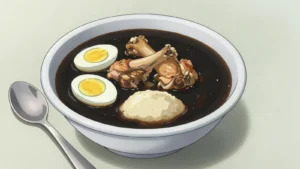
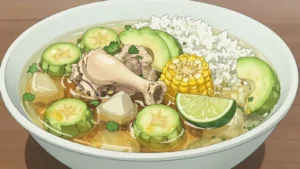
Torn bread soaked in broth in a wide bowl, once a way of stretching meat and now eaten everywhere.
Frequently asked questions
What is Tashreeb?
Tashreeb is a soup & stew from Iraq: flatbread soaked in rich lamb or chicken broth with chickpeas. Torn bread soaked in broth in a wide bowl, once a way of stretching meat and now eaten everywhere.
How long does Tashreeb take to make?
Tashreeb takes 30 minutes of preparation and 2 hours 30 minutes of cooking. The recipe makes serves 6. It is rated medium to make.
What can I substitute in Tashreeb?
Yes, within limits. Chicken replaces lamb and cooks in about ninety minutes rather than two and a half hours. It makes a lighter broth. Beef shin works well and needs a similar long simmer to lamb neck. Tinned chickpeas replace dried ones directly; drain and rinse them. Any thin flatbread works — khubz, lavash, or a plain pitta split open. Samoon, the Iraqi boat-shaped roll, is also used and gives a chewier result. Fresh lemon juice stands in for dried lime, though the musty depth of noomi basra is not really reproducible. Add it at the end rather than during simmering. A mixed baharat can be approximated with black pepper, coriander, cinnamon, cloves and a little nutmeg if you cannot buy the blend.
What is the most important thing to get right in Tashreeb?
Keep skimming until no more scum appears. The surface should barely tremble, not bubble. Add the quartered onions and the whole garlic. Add the bay leaves to the pot as well. One lime is enough for most people’s taste. Add the turmeric, cumin and cinnamon now. Add the baharat, which is the main spice blend. Buy it from a Middle Eastern shop if you can.