
Ingredients
The plantain
- 4very ripe plantains
- skins blackened
- peeled and mashed
- about 600 g flesh
The batter
- 150 gplain flour
- or maize flour
- or a mix of both
- 2 tablespoonssugar
- or to taste
- half a teaspoon salt
- a little water, if needed
Sometimes added
- a pinch of ground nutmeg
- grated ginger
- a pinch of chilli
- a little grated onion
To fry
- oil for shallow frying
- about 2 cm deep
- a heavy frying pan
- a slotted spoon
Directions
- Flour binds the mash into a thick batter. They blacken and become too soft to fry as slices. Keep water well away from the hot oil. Water in hot oil erupts violently. Turn off the heat and cover the pan with a lid. Leave it covered until completely cool.
- Keep children and pets out of the kitchen. Wet batter spits when it hits hot oil. Stand back slightly as they go in. Peel the very ripe black plantains. Discard all of the skins entirely. Mash the plantain thoroughly with a fork.
- Mash it until it is genuinely smooth. Work it well rather than lightly. Stir the flour into the mashed plantain. Add it gradually rather than all at once. Stir it thoroughly between additions. Stop when it holds together as a thick batter. Add flour until it is thick enough. Stir in the sugar, salt and any spices.
- Taste the batter before adding much sugar. Two tablespoons is often quite enough. Salt is essential to balance that sweetness. Salt sharpens the sweetness considerably. It also stops the fritter tasting flat.
- Let the batter rest for fifteen minutes. It is worth doing if you have time. Heat the oil in a heavy frying pan. Use about two centimetres of oil. Heat it until a drop of batter sizzles at once. It should brown in about a minute.
- Drop spoonfuls of batter into the hot oil. Use a tablespoon to drop rough rounds. Flatten them slightly with the spoon back. That helps them cook through evenly. Leave space between each fritter. Fry four or five at a time at most. Give them about three minutes each side.
- Turn them once when the underside is set. Use a slotted spoon or a spatula. Do not move them around too early. Break one open to check the centre. It should be cooked through and soft.
- Lift them onto kitchen paper to drain. Do not stack them while they are hot. Spread them in a single layer. Piled fritters steam each other soft. Serve the talé-talé warm from the pan. Eat them within a few minutes if you can.
Technique
- Hot oil is genuinely dangerous — never leave the pan unattended, keep water well away since it erupts violently, and if it catches fire turn off the heat and cover the pan rather than using water. Ripe plantain mash carries a lot of moisture and spits when it hits hot oil, so lower each spoonful in gently and stand back.
- The plantains must be genuinely overripe with black or heavily blackened skins — yellow ones are not ripe enough and give a bland dense fritter. That takes several days at room temperature, and ripening is what converts the starch to the sugar the flavour depends on.
- Salt is essential rather than optional: half a teaspoon is a real amount and it sharpens the sweetness and stops the fritter tasting flat.
Substitutions
- Maize flour replaces wheat entirely, giving a gluten-free version that genuinely works; a mixture of both is also made. Say clearly which you have used.
- Nutmeg is the commonest flavouring addition, with ginger, chilli and grated onion also genuinely used. A savoury version with chilli and onion and little or no sugar is eaten as a side rather than a snack, and both are made in Togo.
Variations
- Mash the plantain genuinely smooth, since lumps fry unevenly and make the fritters fall apart; a blender is faster and smoother than a fork, and both are used in Togo. Add the flour gradually and judge by the batter rather than the measure, since riper wetter plantains need more.
- The batter should be thick enough to drop from a spoon in a lump rather than pouring — thin batter spreads and burns while thick batter stays raw in the middle. Flatten each spoonful slightly in the pan so it cooks through evenly.
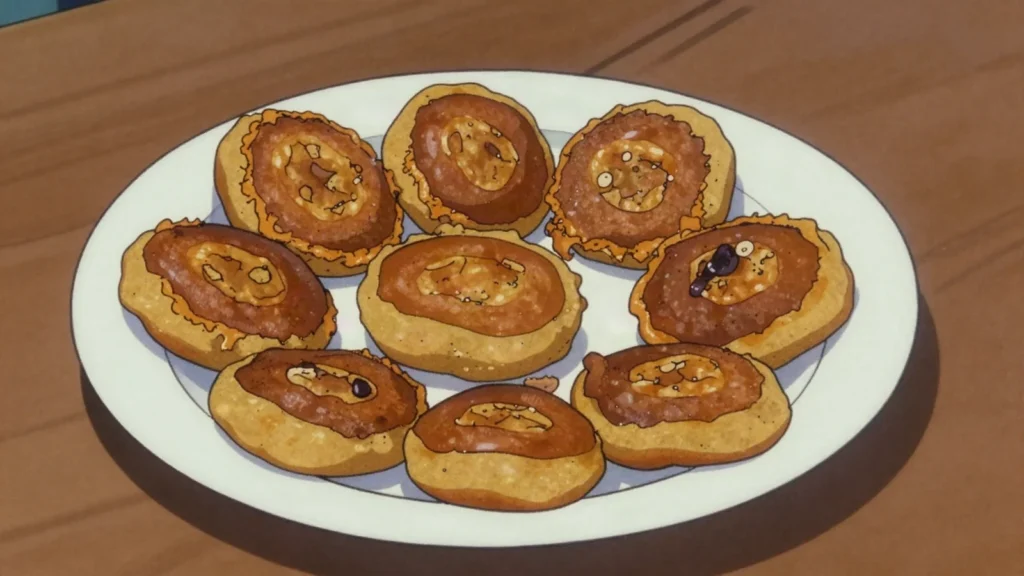
- Fry four or five at a time at most over moderate heat for about three minutes a side, until deep golden with crisp edges and a soft centre. Break one open to check before doing the whole batch, and lower the heat if the outside browns before the middle cooks. Ghana’s kaklo is a close relative, and the atlas records them as related dishes.
History
A southern Togolese and Ewe snack that uses up blackened plantains, sold at markets alongside fried bean and cassava fritters.
Frequently asked questions
What is Talé-talé?
Talé-talé is a snack from Togo: small fried pancakes of mashed overripe plantain and flour. A southern Togolese and Ewe snack that uses up blackened plantains, sold at markets alongside fried bean and cassava fritters.
How long does Talé-talé take to make?
Talé-talé takes 15 minutes of preparation and 20 minutes of cooking. The recipe makes makes about 20. It is rated easy to make.
What can I substitute in Talé-talé?
Yes, within limits. Maize flour replaces wheat entirely, giving a gluten-free version that genuinely works; a mixture of both is also made. Say clearly which you have used. Nutmeg is the commonest flavouring addition, with ginger, chilli and grated onion also genuinely used. A savoury version with chilli and onion and little or no sugar is eaten as a side rather than a snack, and both are made in Togo.
What is the most important thing to get right in Talé-talé?
Mash it until it is genuinely smooth. Work it well rather than lightly. Stir the flour into the mashed plantain. Add it gradually rather than all at once. Stir it thoroughly between additions. Stop when it holds together as a thick batter. Add flour until it is thick enough. Stir in the sugar, salt and any spices.