
Ingredients
Dough
- 500 gplain flour
- 100 gbutter or ghee
- 100 mlevaporated milk
- 100 mlwater
- 2 tbspsugar
- 1 tspsalt
- 1 tspbaking powder
- 2 tspgrated fresh ginger
- 1 tspground cinnamon
- ½ tspgrated nutmeg
Glaze
- 400 gsugar
- 150 mlwater
- 2 tbspgrated fresh ginger
- 1cinnamon stick
To fry
- oil, for deep frying
Directions
- Rub the butter into the flour with the sugar, salt, baking powder and all the spices.
- Add the grated ginger, evaporated milk and water and bring it to a firm dough.
- Keep the dough firm. Kurma should be hard and crunchy rather than soft, and a slack dough puffs up into something bready.
- Knead it 5 minutes and rest it 30 minutes.
- Roll it out to about 5 mm thick.
- Cut it into strips about 1 cm wide, then cut across into sticks about 4 cm long.
- Cut them small and even. Large pieces stay soft in the middle and the whole appeal is that they snap.
- Heat the oil to 170°C (340°F).
- Fry the sticks in batches for 4 to 5 minutes, turning, until deep golden and hard.
- Moderate heat and a longer fry. They need to dry right through, and a hot quick fry colours the outside while the inside stays doughy.
- Drain them thoroughly on a rack and let them cool a little.
- Boil the sugar, water, ginger and cinnamon together until the syrup reaches the thread stage and turns cloudy at the edges.
- Take the syrup further than for a soaking syrup, to the point where it begins to crystallise. You want a dry sugar coating, not a wet glaze.
- Tip the fried sticks into the pan and stir them hard as the syrup crystallises around them.
- Keep stirring as it turns. The syrup goes from clear to grainy to a white crust in under a minute, and that crust is the finished glaze.
- Spread them on a tray to cool completely and separate any that have stuck together.
- They keep for weeks in an airtight tin, which is why they are made in large batches.
- They are Divali and Eid food in Trinidad, made in Indo-Trinidadian households and sold at roadside stalls year round.
Technique
- Fresh ginger in both the dough and the syrup is what gives the distinct heat.
- It is a descendant of Indian sweets brought by indentured labourers and has become entirely Trinidadian.
- It is properly hard, and softness means it was under-fried.
Substitutions
- Coconut milk in place of evaporated milk.
- Ground ginger, using about a third as much, though fresh is much better.
Variations
- With a splash of rum in the dough.
- Made thicker, as a chunkier stick.
- Without the crystallised glaze, dusted in plain sugar instead.
History
An Indo-Trinidadian sweet brought with indentured labourers from India after 1845, sold in bags at markets and roadside stalls.
Frequently asked questions
What is Kurma?
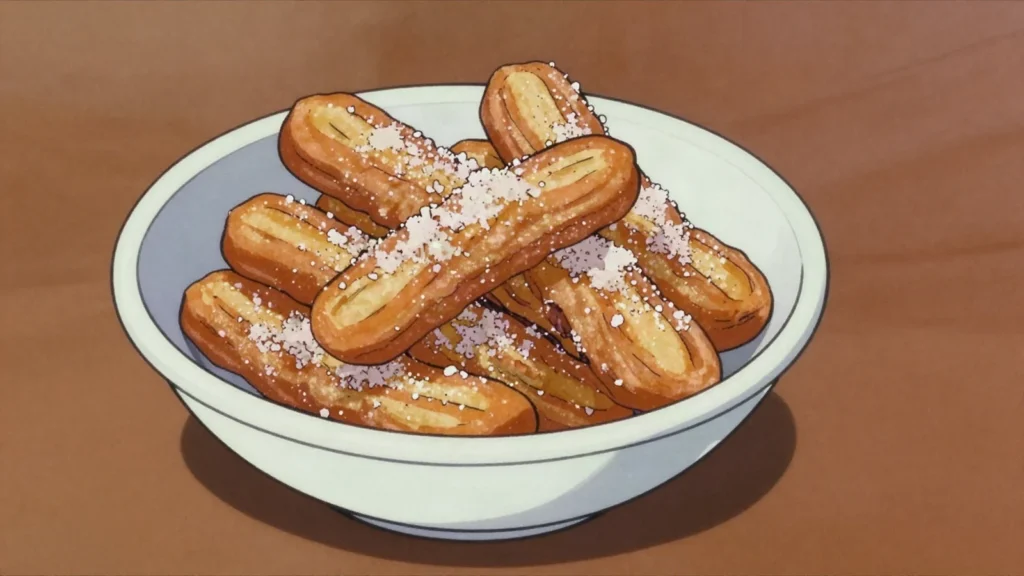
Kurma is a snack from Trinidad and Tobago: crunchy fried dough sticks glazed with ginger sugar. An Indo-Trinidadian sweet brought with indentured labourers from India after 1845, sold in bags at markets and roadside stalls.
How long does Kurma take to make?
Kurma takes 30 min plus 30 min resting of preparation and 30 min of cooking. The recipe makes about 40 sticks. It is rated easy to make.
What can I substitute in Kurma?
Yes, within limits. Coconut milk in place of evaporated milk. Ground ginger, using about a third as much, though fresh is much better.
What is the most important thing to get right in Kurma?
Keep the dough firm. Kurma should be hard and crunchy rather than soft, and a slack dough puffs up into something bready.