
Ingredients
The bananas
- 6very ripe bananas
- skins heavily spotted
- peeled and mashed
- or sliced thickly
The tapioca
- 100 gsmall tapioca pearls
- sago pearls
- rinsed
- 1 litrewater
The coconut
- 400 mlthick coconut cream
- pe’epe’e
- or tinned coconut cream
- a pinch of salt
To sweeten
- 50 gsugar
- or to taste
- or none at all
- if the bananas are sweet enough
Directions
- Stir it regularly right through the cooking. Pe’epe’e is the Samoan thick coconut cream. Use the thick cream rather than thin milk. Coconut cream splits if it is boiled hard. Add it near the end and keep the heat low. Never let it come to a rolling boil.
- Taste before adding any sugar at all. The fruit often carries enough on its own. Rinse the tapioca pearls in cold water. Rinse them briefly rather than soaking them. It helps stop them clumping together. Simmer the tapioca in plenty of water.
- Use far more water than seems necessary. A litre for a hundred grams is about right. Stir it as soon as the pearls go in. Keep stirring for the first minute or two. Give them about fifteen minutes at a simmer. Cook them until that dot disappears entirely. It should be clear right through. Peel and mash the very ripe bananas. Mash them with a fork in a bowl.
- Leave some texture rather than making a purée. A completely smooth mash loses that. Stir the mashed banana into the cooked tapioca. Add it once the pearls are entirely clear. Stir it thoroughly through the mixture. Add a little hot water if it goes too thick.
- Simmer the banana and tapioca together briefly. Give it about five minutes over a low heat. Stir it constantly so it does not catch. Keep the heat genuinely low at this stage. Stir the coconut cream in near the end.
- Add it in the last few minutes of cooking. Turn the heat right down before it goes in. Never let it boil hard after that point. Add a pinch of salt with the coconut cream. It should not taste salty at all. Taste the porridge and add sugar if needed. Very ripe bananas may need none at all.
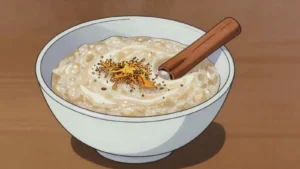
- Taste it properly before deciding. Add it gradually and taste as you go. It should be sweet but not cloying. Make it slightly looser than you want. Spoon the warm suafa’i into bowls. It is served warm rather than piping hot. Let it cool for a few minutes first. Warm is the traditional serving temperature. It is also eaten cold in hot weather.
Technique
- The bananas must be genuinely overripe with heavily spotted or black skins: ripening converts their starch to sugar, which is where the whole flavour comes from, and underripe fruit gives a starchy bland result that will not work at all.
- Tapioca sticks together and to the base of the pan very readily. Cook it in plenty of water — a litre to a hundred grams — stirring as soon as it goes in and regularly throughout, and once the banana is added keep the heat low and scrape the base each time, since banana and starch together catch very easily.
- Add the coconut cream near the end with the heat turned right down and never let it boil after that, since it splits into oil and watery liquid.
Substitutions
- Tinned coconut cream replaces freshly squeezed pe’epe’e; use the thick cream rather than thin milk. Packets labelled sago usually contain tapioca — true sago comes from palm trunk pith and tapioca from cassava root, different plants and different products, though either works here. The atlas records that distinction plainly.
- Some cooks slice the bananas thickly rather than mashing, so visible pieces remain in the finished dish; both are genuinely done in Samoa. It is also eaten cold in hot weather, when it sets considerably thicker.
Variations
- Cook the tapioca until the pearls are clear right through with no white dot left in the centre — undercooked pearls are chalky and unpleasant, so fish several out and look at them rather than trusting the time. Never drain them, since the released starch gives the porridge its body.
- Mash the bananas with a fork leaving some texture rather than making a smooth purée, since small lumps of banana are genuinely wanted.
- Taste before adding any sugar: very ripe bananas are already sweet and many Samoan households add none at all. A pinch of salt with the coconut cream sharpens the sweetness and brings the coconut forward. It thickens considerably as it cools, so make it slightly looser than you want to serve it.
History
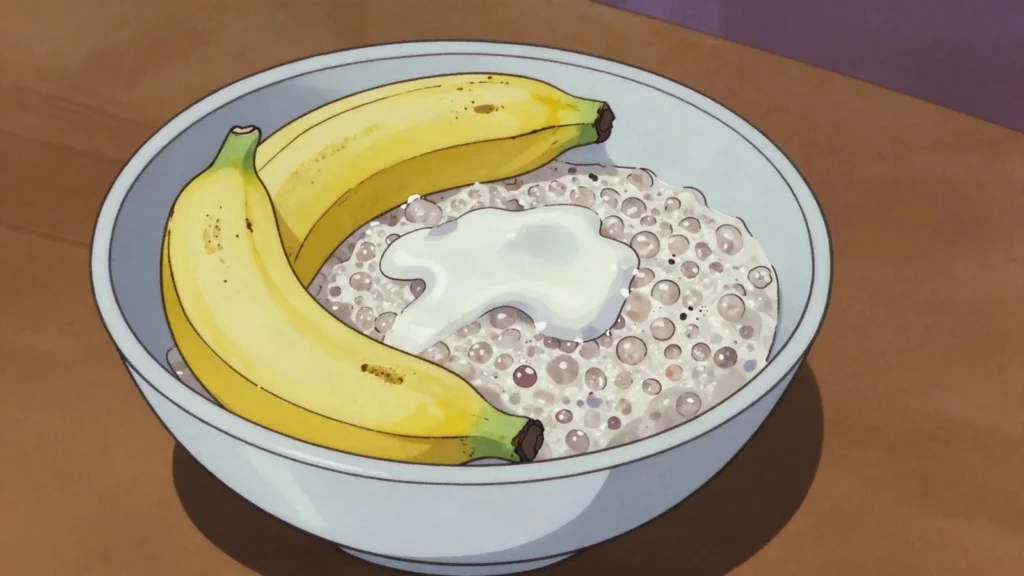
Overripe bananas are mashed into coconut cream and thickened with tapioca pearls, a breakfast that uses fruit too soft to eat plain.
Frequently asked questions
What is Suafa’i?
Suafa’i is a breakfast from Samoa: ripe banana porridge thickened with tapioca and coconut cream. Overripe bananas are mashed into coconut cream and thickened with tapioca pearls, a breakfast that uses fruit too soft to eat plain.
How long does Suafa’i take to make?
Suafa’i takes 15 minutes of preparation and 30 minutes of cooking. The recipe makes serves 6. It is rated easy to make.
What can I substitute in Suafa’i?
Yes, within limits. Tinned coconut cream replaces freshly squeezed pe’epe’e; use the thick cream rather than thin milk. Packets labelled sago usually contain tapioca — true sago comes from palm trunk pith and tapioca from cassava root, different plants and different products, though either works here. The atlas records that distinction plainly. Some cooks slice the bananas thickly rather than mashing, so visible pieces remain in the finished dish; both are genuinely done in Samoa. It is also eaten cold in hot weather, when it sets considerably thicker.
What is the most important thing to get right in Suafa’i?
Stir it regularly right through the cooking. Pe’epe’e is the Samoan thick coconut cream. Use the thick cream rather than thin milk. Coconut cream splits if it is boiled hard. Add it near the end and keep the heat low. Never let it come to a rolling boil.