
Ingredients
The rice
- 100 gshort grain rice
- or pudding rice
- rinsed
- 300 mlwater
- a pinch of salt
The milk
- 800 mlwhole milk
- warmed
- added gradually
- or more, to thin
To serve
- a knob of butter
- per bowl
- sugar, to taste
- at the table
- or honey
Sometimes with
- ground cinnamon
- a pinch of saffron
- soaked in warm milk
- chopped nuts
Directions
- Keep the heat low and stir it regularly. Use a genuinely heavy based pan for it. Never leave the pan unattended once milk is in. Use a pan far larger than seems necessary. Rinse the rice briefly under cold water. Rinse it only briefly rather than thoroughly. You want to keep some of the surface starch. Simmer the rice in the water with a pinch of salt. Bring it to a boil and then reduce the heat.
- Simmer it gently until the water is absorbed. Give it about twelve minutes for that. Stir it occasionally so it does not catch. The rice should be about half cooked at that point.
- Pour the warmed milk in gradually while stirring. Warm the milk before it goes in. Cold milk stops the cooking entirely. Add it a third at a time rather than all at once. Stir it through between each addition. Warm milk keeps the pot at temperature. It is a small step that genuinely helps.
- Simmer the rice in the milk until it is soft. Give it about twenty minutes over a low heat. Keep the heat genuinely low throughout. A heat diffuser helps considerably if you have one. Stir it every couple of minutes as it cooks. It should stay loose rather than becoming thick.
- Add more warm milk if it thickens too far. Make it looser than you want to serve it. The rice should be entirely soft and collapsing. Taste a few grains before deciding. Give it longer if there is any hardness. Stir in saffron soaked in warm milk. Crush the threads and soak them first. Warm milk draws the colour out fully. Ladle the warm porridge into bowls.
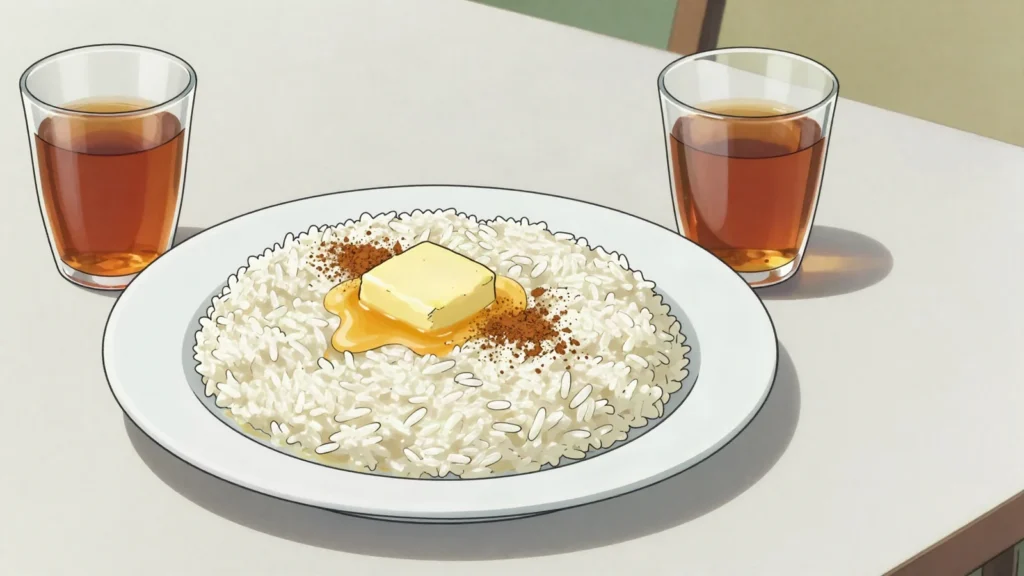
- Serve it warm rather than piping hot. Let it stand a moment before serving. Stir it before ladling it out. Drop a knob of butter into each bowl. Put it in the centre of the surface. Let it melt into a golden pool there. Do not stir it in before serving.
- Put sugar on the table for each eater. Children usually take considerably more. Use sugar for very young children instead. Dust cinnamon over the bowls if you like. It keeps two days refrigerated in a covered bowl.
Technique
- Never leave the pan unattended once the milk is in: milk rises suddenly and boils over without warning, climbing the pan far faster than you expect. It also scorches readily, so keep the heat genuinely low, stir every couple of minutes scraping the base, and use a heavy pan much larger than seems necessary.
- Cook the rice in water first until about half done, then add warmed milk gradually — rice cooked in milk from the start softens slowly, since the milk proteins interfere with the starch. Warm the milk before it goes in, since cold milk stops the cooking and raises the scorching risk.
- If you sweeten it with honey rather than sugar, never give honey to a child under one year old — it can carry Clostridium botulinum spores an infant gut cannot handle safely, and that applies to any honey in any dish.
Substitutions
- Pudding rice works perfectly well; use short grain rather than long, since short grain releases more starch and long grain gives a thin result. Honey replaces the sugar and is drizzled over the same way; both are genuinely done in Azerbaijan.
- Firni is a different Azerbaijani dish — a set milk pudding thickened with rice flour and served cold — where sudlu siyiq is looser, warm and made with whole rice. The atlas records them separately.
Variations
- Rinse the rice only briefly rather than until the water runs clear: the surface starch is wanted here to thicken the porridge, which is a genuine difference from rinsing rice for pilaf.
- It should stay loose and pourable, running slowly from a spoon rather than setting — that looseness is the point — and it thickens considerably as it cools, so make it looser than you want to serve it.
- Sugar goes on at the table rather than into the pot, so each eater sweetens their own bowl. The knob of butter goes in the centre of the surface and is left to melt into a visible golden pool rather than stirred in — be generous, since a small scrape does not do it.
History
A everyday Azerbaijani breakfast and children’s dish, thinner and less set than firni.
Frequently asked questions
What is Sudlu siyiq?
Sudlu siyiq is a breakfast from Azerbaijan: loose rice pudding cooked in milk, served warm with butter and sugar. A everyday Azerbaijani breakfast and children’s dish, thinner and less set than firni.
How long does Sudlu siyiq take to make?
Sudlu siyiq takes 5 minutes of preparation and 35 minutes of cooking. The recipe makes serves 4. It is rated easy to make.
What can I substitute in Sudlu siyiq?
Yes, within limits. Pudding rice works perfectly well; use short grain rather than long, since short grain releases more starch and long grain gives a thin result. Honey replaces the sugar and is drizzled over the same way; both are genuinely done in Azerbaijan. Firni is a different Azerbaijani dish — a set milk pudding thickened with rice flour and served cold — where sudlu siyiq is looser, warm and made with whole rice. The atlas records them separately.
What is the most important thing to get right in Sudlu siyiq?
Keep the heat low and stir it regularly. Use a genuinely heavy based pan for it. Never leave the pan unattended once milk is in. Use a pan far larger than seems necessary. Rinse the rice briefly under cold water. Rinse it only briefly rather than thoroughly. You want to keep some of the surface starch. Simmer the rice in the water with a pinch of salt. Bring it to a boil and then reduce the heat.