
Ingredients
Flowers
- 8to 10 large elderflower heads, freshly picked
- correctly identified as Sambucus nigra
Liquid
- 4 litrescold water
- 400 gsugar
- 2lemons, sliced
- 1 tbspraisins, optional
Optional
- a pinch of baker’s yeast, to be certain of fermentation
Equipment
- a large jar or bucket
- plastic bottles, or bottles with clamp tops
- muslin
To serve
- very cold, in summer
Directions
- Make certain the plant is common elder, Sambucus nigra, a shrub or small tree with woody stems and flat creamy flower heads. If you are not certain, do not pick. Strip the flowers from as much of the green stem as you can. Now the third thing, which is about the fermentation rather than the plant.
- Use plastic bottles, which swell visibly and give you a warning, or clamp-top bottles, and open them daily to release pressure. Never fill a bottle to the top and never leave a sealed glass bottle unattended in a warm room for days.
- Pick the flowers on a dry sunny morning, when they are fully open and fragrant. Pick in the sun, when the pollen and the wild yeasts are at their most active. Flowers picked wet after rain ferment poorly.
- Shake each head to dislodge insects. Now the instruction people find hardest: do not wash the flowers. Shake them, look them over, and use them as they are. Dissolve the sugar in a little warm water, then add it to the cold water in a large jar or bucket.
- Let the liquid cool completely before the flowers go in. Add the elderflower heads, the sliced lemons and the raisins. Cover the jar with muslin rather than a lid. Cover it with cloth, not a seal, so gas escapes freely during the first days while insects stay out. Leave it at room temperature, out of direct sun, for 2 to 4 days.
- Stir it once a day with a clean spoon. In warm weather it may be ready in two days and in cool weather it may take five, so go by the bubbles rather than the calendar.
- Taste it daily from the third day. It is ready when it is lightly fizzy and still sweet but noticeably less so than when you started. Strain it through muslin into bottles, leaving a good gap at the top of each. Now refrigerate them, which slows the fermentation almost to a stop.
Technique
- The elder flowers for only a few weeks, which is why socată is strictly seasonal.
- Similar elderflower ferments are made across central and eastern Europe.
- A non-fermented elderflower cordial can be made by boiling instead, which keeps far longer.
Substitutions
- A pinch of yeast if the wild fermentation does not start within three days.
- Elderflower cordial, boiled rather than fermented, as the safe alternative.
Variations
- With mint added.
- Made with honey instead of sugar.
- Boiled as a cordial, without fermentation.
History
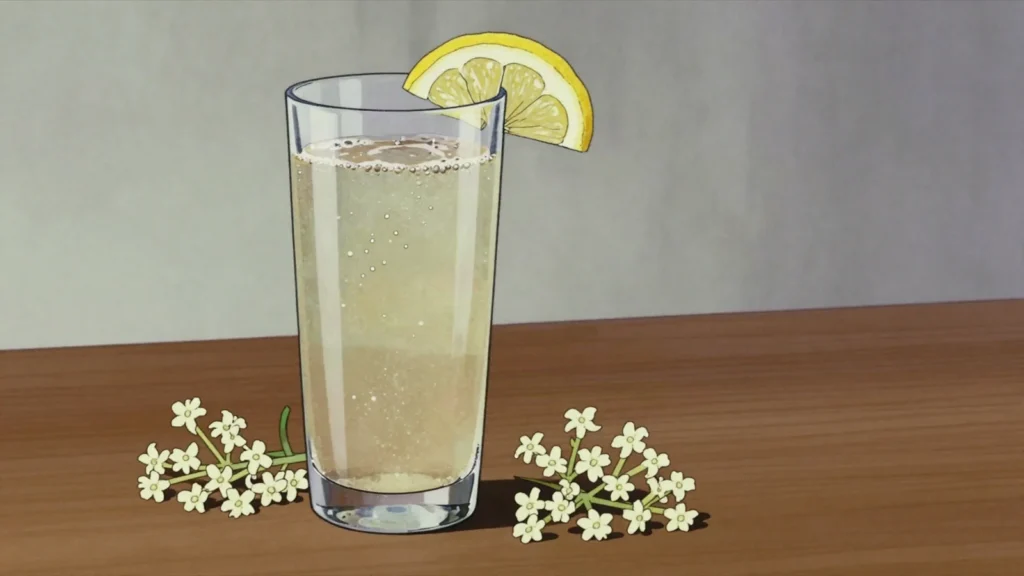
Elderflowers gathered in May and June ferment with lemon and sugar for a few days into a lightly sparkling summer drink.
Frequently asked questions
What is Socată?
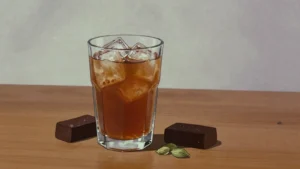
Socată is a drink from Romania: fizzy elderflower drink fermented for a few days in summer. Elderflowers gathered in May and June ferment with lemon and sugar for a few days into a lightly sparkling summer drink.
How long does Socată take to make?
Socată takes 20 min plus 2 to 4 days of preparation and no cooking at all. The recipe makes 4 litres. It is rated medium to make.
What can I substitute in Socată?
Yes, within limits. A pinch of yeast if the wild fermentation does not start within three days. Elderflower cordial, boiled rather than fermented, as the safe alternative.
What is the most important thing to get right in Socată?
Make certain the plant is common elder, Sambucus nigra, a shrub or small tree with woody stems and flat creamy flower heads. If you are not certain, do not pick. Strip the flowers from as much of the green stem as you can. Now the third thing, which is about the fermentation rather than the plant.