
Ingredients
The ginger
- 300 gfresh ginger
- young if possible
- scrubbed
- roughly chopped
- 1 litrecold water
To sweeten and sharpen
- 150 gsugar
- or to taste
- juice of 3 limes
- or 300 ml pineapple juice
- instead of lime
Sometimes added
- a pinch of salt
- a strip of lime peel
- a few cloves
- or a piece of cinnamon
To serve
- very cold
- over ice
- or frozen in sachets
- at Bissau markets
Directions
- Adjust it to your own tolerance. Dilute it more if that is a concern. Wash the ginger thoroughly before using it. Use clean equipment and clean water. Scrub the ginger thoroughly under cold water. Take real time over that scrubbing. Young ginger needs no peeling at all.
- Chop the ginger roughly into small pieces. About two centimetres is a reasonable size. Blend the ginger with the cold water. Add the water along with the ginger. Blend it on high for about two minutes. It should become a rough pale slurry.
- Grate it finely on the fine side of a grater. Then steep it in the cold water. Let the blended mixture steep for an hour. An hour is a reasonable minimum for that. Strain the mixture through a fine cloth. Line a sieve with muslin over a bowl. Pour the whole lot through it slowly. Squeeze it genuinely hard rather than gently. Twist the cloth to force it out. Then discard the dry fibrous pulp.
- Strain it again through fresh cloth if you like. Fine fibres otherwise settle in the glass. Stir the sugar into the strained juice. Dissolve it in a little warm water first. Taste it and add more if it is harsh. It should be sweet as well as hot. Squeeze the lime juice into the drink. Add it gradually and taste as you go. It should be noticeable rather than dominant.
- Use pineapple juice in place of the lime. Reduce the sugar if you use it. Stir a small pinch of salt into the drink. Salt sharpens the sweetness considerably. It should not taste salty at all. Taste the drink and adjust it properly. Dilute it with cold water if it is too strong.
- Add more sugar if it is too harsh. Add more lime if it is too sweet. It should be hot, sweet and sharp at once. Taste it again once it is chilled. Pour it into small bags and freeze them.
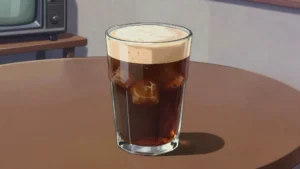
- Fill them about two thirds and seal them. Lay them out flat in the freezer. Cut the corner with scissors instead. Pour the cold juice over ice in tall glasses. Fill the glass with ice first. That keeps it cold as it is drunk. Make it slightly stronger to allow for melting. The ginger burn surprises people who expect a soft drink. Shake it well before every pour.
Technique
- This is a genuinely strong drink with a real burn at the back of the throat, which is entirely the point. Concentrated ginger can irritate the mouth and stomach and some people find it uncomfortable, so dilute it more if that is a concern, and warn anyone unfamiliar. Ginger also interacts with some medications, a documented consideration the atlas notes without giving medical advice.
- This is an uncooked infusion throughout, which is deliberate — raw ginger carries far more gingerol than cooked, and heating would soften the burn considerably. Wash the ginger thoroughly, use clean equipment and refrigerate it as soon as it is made.
- Frozen sachets are opened at market by biting off a corner. Biting plastic is not without risk, so cut the corner with scissors at home — the result is exactly the same.
Substitutions
- Pineapple juice replaces the lime in some Bissau versions, sweetening and sharpening at once and softening the ginger burn; reduce the sugar if you use it. Both versions are genuinely made.
- Grating the ginger finely and steeping it replaces blending and works perfectly well without a blender, though it takes longer. Young ginger needs only scrubbing where older ginger needs the skin scraped off with the edge of a teaspoon, which follows the knobbly shape and wastes far less than a peeler.
Variations
- Blend it a full two minutes rather than less, since ginger is fibrous and resists breaking down, then steep it refrigerated for at least an hour — some Bissau kitchens steep it overnight for a considerably stronger drink.
- Strain through muslin and then gather the cloth and squeeze genuinely hard, twisting it: a great deal of juice stays in the pulp otherwise. A second strain through fresh cloth stops fine fibres settling in the glass.
- It should be hot, sweet and sharp all at once with none overwhelming the other two — unsweetened ginger juice is genuinely harsh. Taste again after chilling, since cold mutes sweetness, and make it slightly stronger than you want if serving over ice.
History
Sold in frozen sachets and bottles alongside cashew and hibiscus juices at Bissau markets.
Frequently asked questions
What is Sumo de gengibre?
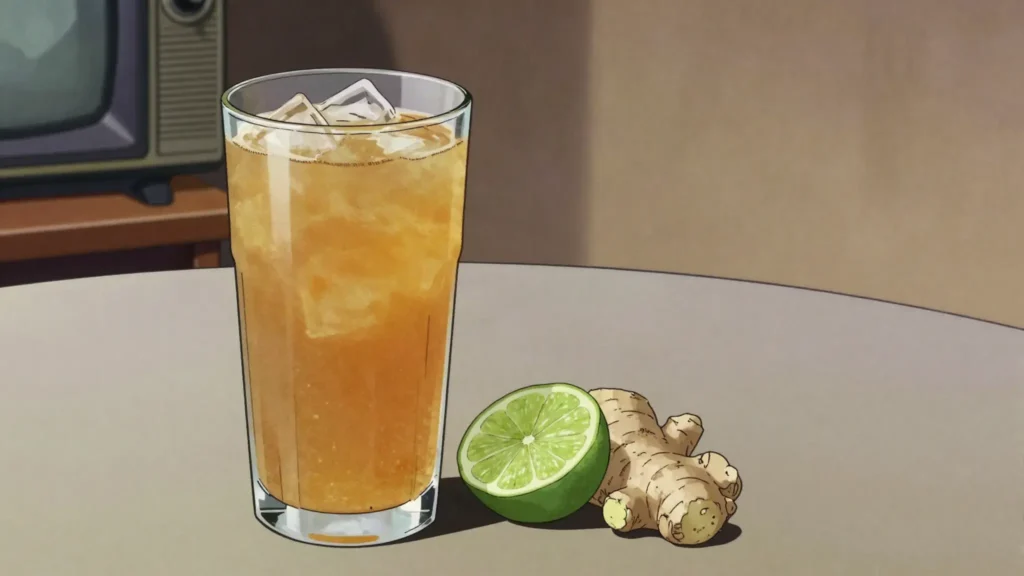
Sumo de gengibre is a drink from Guinea-Bissau: chilled ginger juice sweetened and sharpened with lime or pineapple. Sold in frozen sachets and bottles alongside cashew and hibiscus juices at Bissau markets.
How long does Sumo de gengibre take to make?
Sumo de gengibre takes 20 minutes of preparation and no cooking at all. The recipe makes about 1.5 litres. It is rated easy to make.
What can I substitute in Sumo de gengibre?
Yes, within limits. Pineapple juice replaces the lime in some Bissau versions, sweetening and sharpening at once and softening the ginger burn; reduce the sugar if you use it. Both versions are genuinely made. Grating the ginger finely and steeping it replaces blending and works perfectly well without a blender, though it takes longer. Young ginger needs only scrubbing where older ginger needs the skin scraped off with the edge of a teaspoon, which follows the knobbly shape and wastes far less than a peeler.
What is the most important thing to get right in Sumo de gengibre?
Grate it finely on the fine side of a grater. Then steep it in the cold water. Let the blended mixture steep for an hour. An hour is a reasonable minimum for that. Strain the mixture through a fine cloth. Line a sieve with muslin over a bowl. Pour the whole lot through it slowly. Squeeze it genuinely hard rather than gently. Twist the cloth to force it out. Then discard the dry fibrous pulp.