
Ingredients
The pumpkin
- 1.2 kgpumpkin
- peeled and cubed
- or a firm winter squash
- seeds removed
- about 300 ml water
The meal
- 250 gmaize meal
- white, medium ground
- added gradually
- at the end
To season
- 3 tablespoonssugar
- or to taste
- a pinch of salt
- a knob of butter
- optional
To serve
- hot from the pot
- in a shared bowl
- with sour milk, emasi
- optional
Directions
- Sprinkle the meal in very slowly while stirring hard. Never tip it in all at once from the packet. Stir constantly right through the whole addition. Some cooks mix the meal with cold water first.
- Use a deep pot and stir with a long spoon. Thick porridge holds heat and sticks to skin. Keep the heat low once it thickens considerably. Stand back from the pot as you stir it. Peel the pumpkin and remove all of the seeds. A sharp knife and a firm board are needed for it. Cut it into large wedges before trying to peel it. Cut a flat slice off first to stop it rolling.
- Cut the peeled flesh into rough cubes. About three centimetres is a reasonable size. Put the pumpkin in a heavy pot with a little water. Use only about three hundred millilitres to start. Too much water gives a thin and watery result. Use a genuinely heavy based pot for this dish. Thin pots scorch the pumpkin on the bottom.
- Cover the pot and simmer until the pumpkin softens. Give it about twenty-five minutes over a low heat. Keep the lid on for that first cooking stage. It also stops the liquid evaporating too quickly.
- Lift it occasionally to stir and check the water. Mash the softened pumpkin thoroughly in the pot. Use a wooden spoon or a potato masher for it. Mash it until it is entirely smooth and even. No lumps of pumpkin should remain at all. Cook the mashed pumpkin uncovered to reduce it.
- Take the lid off and let the water cook away. Give it about ten minutes, stirring regularly. Keep going if it still looks watery at all. Stir the sugar and a pinch of salt into the pumpkin. Add the sugar before the maize meal goes in. It dissolves far more easily into the wet pumpkin. Taste it and adjust the sweetness at this stage. It also stops the dish tasting flat and cloying.
- Sprinkle the maize meal in slowly while stirring. Turn the heat down low before the meal goes in. Sprinkle it through your fingers a little at a time. Stir constantly and hard as you sprinkle it. Never stop stirring until it is all incorporated.
- Add a handful, stir it in fully, then add another. Take the time it genuinely needs. Stop adding meal when it reaches the right thickness. Cover the pot and cook it gently for twenty minutes. Stir it every few minutes right through that time. Thick porridge catches on the base very easily.
- Keep the heat as low as it will go at this stage. The porridge is thick enough to scorch instantly. Taste it to check the meal is fully cooked. It should be entirely smooth with no grittiness.
- Add a splash of water and keep going if so. Stir in a knob of butter if you want it. Spoon the hot sijingi into a large shared bowl. It is served hot straight from the pot. Serve it promptly rather than letting it stand. It keeps two days refrigerated in a covered bowl.
Technique
- Thick maize porridge bubbles heavily and spits, and those spits are hotter and stickier than boiling water and burn skin badly. Use a deep pot, stir with a long spoon, keep the heat low once it thickens and stand back from the pot.
- Maize meal lumps badly if added carelessly: dry meal dropped into hot liquid gels on the outside while staying dry inside, and those lumps never break down. Sprinkle it through your fingers a little at a time over several minutes, stirring constantly and hard the whole while.
- Cutting a whole round pumpkin is genuinely dangerous, since it rolls under the knife — cut a flat slice off first to stop it rolling, then work from that stable surface, and cut it into wedges before peeling.
Substitutions
- Any firm winter squash replaces pumpkin directly. Medium ground white maize meal is the right grade — the same meal used for pap or phutu.
- Some cooks mix the maize meal with cold water into a paste first and stir that into the hot pumpkin, which is a more forgiving method for a home cook; both routes are genuinely used and both work.
Variations
- Use only about three hundred millilitres of water to start, since pumpkin releases a great deal of its own, and cook it uncovered for ten minutes after mashing to drive the water off — a spoon drawn through should leave a trail that closes slowly. Wet pumpkin gives a sloppy finished dish.
- Add the sugar before the maize meal goes in, since it dissolves far more easily into the wet pumpkin and is much harder to adjust once thickened. A pinch of salt sharpens the sweetness and stops it tasting cloying — do not leave it out even in a sweet dish.
- Cook it covered on the lowest heat for twenty minutes after the meal goes in, stirring every few minutes and scraping the base, to cook the chalky raw taste out and let the meal swell into the pumpkin. Taste it: any grittiness means it needs longer. This is a sweet dish eaten as a main rather than a pudding, which is entirely normal across southern Africa.
History
A Swazi dish made when the pumpkins ripen, cooked slowly until the flesh and meal cannot be told apart.
Frequently asked questions
What is Sijingi?
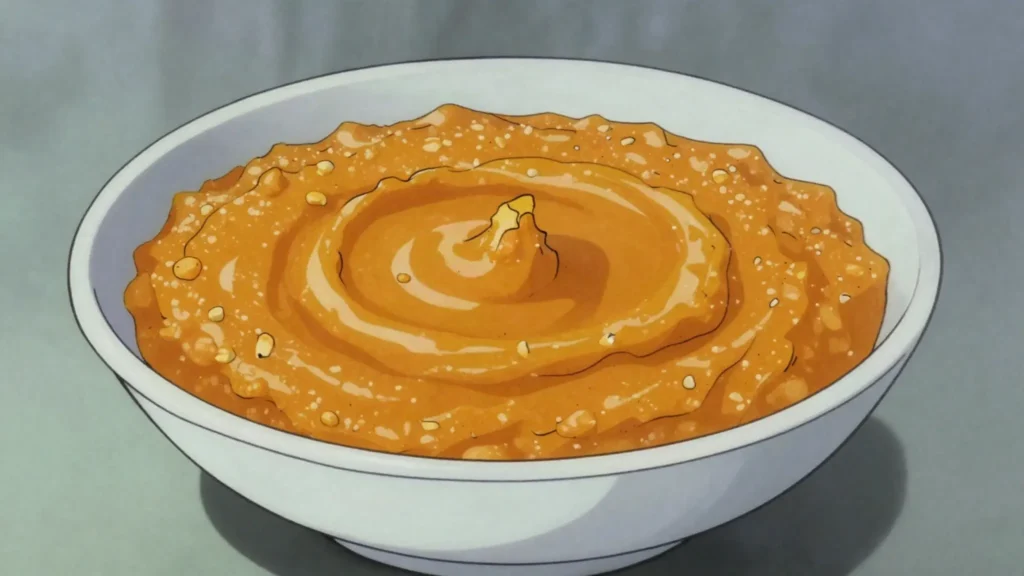
Sijingi is a main from Eswatini: pumpkin cooked down and stirred with maize meal into a thick sweet porridge. A Swazi dish made when the pumpkins ripen, cooked slowly until the flesh and meal cannot be told apart.
How long does Sijingi take to make?
Sijingi takes 20 minutes of preparation and 1 hour of cooking. The recipe makes serves 6. It is rated easy to make.
What can I substitute in Sijingi?
Yes, within limits. Any firm winter squash replaces pumpkin directly. Medium ground white maize meal is the right grade — the same meal used for pap or phutu. Some cooks mix the maize meal with cold water into a paste first and stir that into the hot pumpkin, which is a more forgiving method for a home cook; both routes are genuinely used and both work.
What is the most important thing to get right in Sijingi?
Sprinkle the meal in very slowly while stirring hard. Never tip it in all at once from the packet. Stir constantly right through the whole addition. Some cooks mix the meal with cold water first.