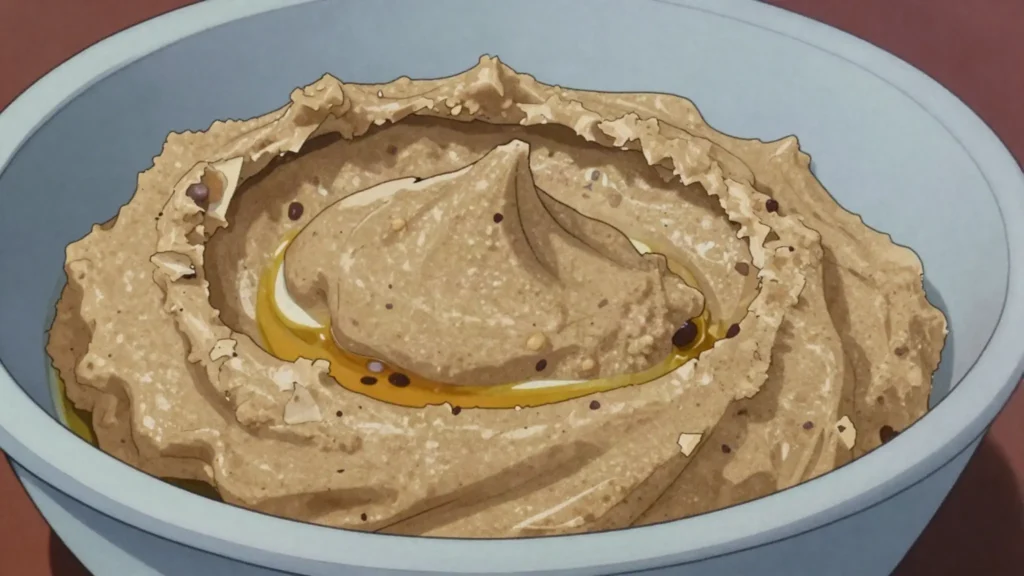

Ingredients
The beans
- 500 gdried jugo beans
- tindlubu, bambara groundnuts
- soaked overnight
- picked over for stones
To cook
- water to cover well
- about 2 litres
- 1 teaspoonsalt
- added late
To finish
- salt, to taste
- a knob of butter
- or a little oil
- optional
- some of the cooking water
To serve
- hot in a shared bowl
- with pumpkin leaves
- or maize porridge
- or sour milk, emasi
Directions
- Let anyone affected make their own decision. These beans are genuinely hard and take a long time. Salt added early slows the softening of beans. Add it only when they are nearly tender. Bambara groundnuts must be cooked thoroughly. Boil them properly rather than simmering gently only. Bring them to a full boil before reducing the heat.
- Keep them at a steady simmer after that. It should be thick, dense and quite dry. Pick the dried beans over on a flat tray. Spread them out and look them over carefully. Discard any stones, damaged or shrivelled beans. Rinse the picked beans in cold running water.
- Rinse them through two or three changes of water. Drain them well before they go into the soak. Cover the beans generously with cold water. Use far more water than seems necessary.
- Cover them by at least ten centimetres of water. They will otherwise rise above the water line. Leave them to soak for twelve hours or overnight. Soak them in the refrigerator in hot weather. That prevents any souring during the soak.
- Drain and discard the soaking water entirely. Rinse the soaked beans before cooking them. Put the drained beans in a large pot of fresh water. Cover them by at least five centimetres of water.
- Keep hot water ready to top the pot up. Never let the beans boil dry at any point. Bring the pot to a hard rolling boil first. Hold that hard boil for about ten minutes. Skim it off with a spoon and discard it. Keep skimming for the first fifteen minutes or so.
- Simmer the beans steadily until they are soft. Give them at least two hours at a steady simmer. Check the water level every half hour or so. Add hot water whenever it drops too low. Cold water slows the cooking considerably.
- Keep the beans covered throughout the cooking. Add the salt only near the end of the cooking. Salt added early toughens the bean skins. Add it once the beans are already nearly soft. The last twenty minutes is about right. Drain the beans but keep some of the cooking water.
- Keep about three hundred millilitres of it back. Do not discard it before you have finished. Mash the drained beans thoroughly in the pot. Use a potato masher or a sturdy wooden spoon. Work the beans down against the pot base.
- Keep going until they break down entirely. It takes real physical effort with these beans. Add cooking water gradually as you mash. Add only a little at a time as you work. It should be dense rather than at all sloppy.
- Season the mash generously with salt. Taste it carefully and add more until it lifts. Stir in a knob of butter or a little oil. Some households do this and others do not. Warm the mash gently over a low heat.
- Stir it as it warms so it does not catch. Thick bean mash catches on the base easily. Add a splash more water if it stiffens too much. Spoon the hot mash into a large shared bowl. It is served hot rather than at room temperature. Serve it promptly rather than letting it stand. It stands in the place meat would otherwise take.
Technique
- Bambara groundnuts are called groundnuts because, like peanuts, they push their pods underground to ripen — but they are an entirely different plant and a different food. They are a legume as peanut is; the atlas cannot state anything about allergy cross-reactivity, which is a medical question, so say clearly which legume the dish contains and let anyone affected take their own advice.
- These beans are genuinely hard and take two and a half hours or more, with old beans sometimes taking over three; soak them twelve hours or overnight and test them regularly rather than trusting a clock. A cooked bean crushes easily between two fingers with no hard core — test several, since they do not all cook at the same rate.
- Add the salt only in the last twenty minutes: salt added early toughens the skins and slows the softening considerably. Bring them to a hard rolling boil for ten minutes before reducing to a simmer, and never let the pot boil dry.
Substitutions
- A wooden mortar and pestle is the traditional tool and gives a slightly coarser texture; a potato masher at home gives a genuinely good result and both are correct.
- Cooked pumpkin leaves, maize porridge or sour milk (emasi) are all standard alongside it in Eswatini. This is a protein dish standing in the place meat would take rather than a side.
Variations
- Pick the dried beans over on a flat tray for small stones, which are hard enough to break teeth, and discard the soaking water entirely rather than cooking in it. Soak them in the refrigerator in hot weather, since longer than twelve hours risks them starting to ferment.
- Keep about three hundred millilitres of the cooking water back before draining — it is needed to loosen the mash and carries flavour. Add it only a little at a time while mashing, since too much gives a thin disappointing dish.
- Mash it coarse rather than to a smooth purée: some bean texture is genuinely wanted, and it should hold its shape with a spoon standing up briefly in it. Season generously, since mashed beans absorb a great deal of salt and this is a simple dish where seasoning matters.
History
Tindlubu, bambara groundnuts, are an indigenous African legume grown by Swazi women on small plots and mashed as a protein dish.
Frequently asked questions
What is Siphuphe setindlubu?
Siphuphe setindlubu is a salad & side from Eswatini: jugo beans boiled and mashed to a dense savoury paste. Tindlubu, bambara groundnuts, are an indigenous African legume grown by Swazi women on small plots and mashed as a protein dish.
How long does Siphuphe setindlubu take to make?
Siphuphe setindlubu takes 10 minutes plus soaking of preparation and 2 hours 30 minutes of cooking. The recipe makes serves 6. It is rated easy to make.
What can I substitute in Siphuphe setindlubu?
Yes, within limits. A wooden mortar and pestle is the traditional tool and gives a slightly coarser texture; a potato masher at home gives a genuinely good result and both are correct. Cooked pumpkin leaves, maize porridge or sour milk (emasi) are all standard alongside it in Eswatini. This is a protein dish standing in the place meat would take rather than a side.
What is the most important thing to get right in Siphuphe setindlubu?
Let anyone affected make their own decision. These beans are genuinely hard and take a long time. Salt added early slows the softening of beans. Add it only when they are nearly tender. Bambara groundnuts must be cooked thoroughly. Boil them properly rather than simmering gently only. Bring them to a full boil before reducing the heat.