
Ingredients
What the atlas records
- samahon as a documented practice
- not as a procedure
- see the note on why
What to buy instead
- licensed Belarusian vodka
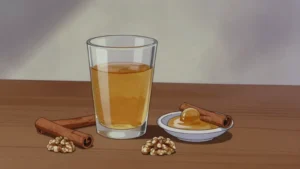
- krambambula, the honey infusion
- zubrovka, the bison grass vodka
- all from a proper shop with a label
What it is drunk with
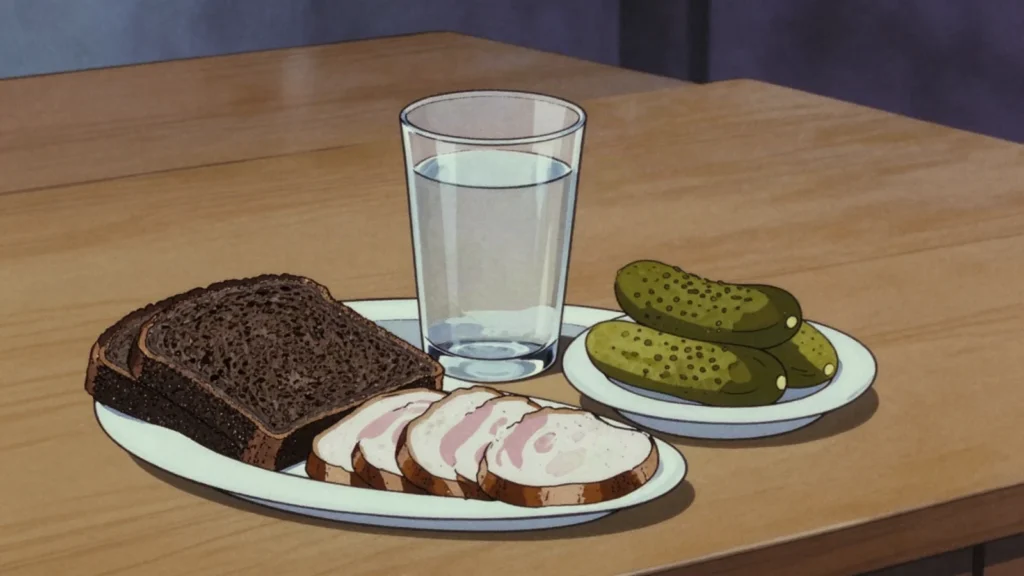
- black rye bread
- salo, cured pork fat
- pickled cucumbers and mushrooms
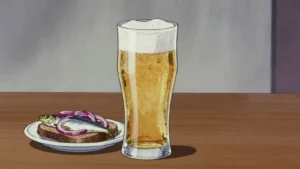
- smoked fish
- boiled potatoes with dill
Directions
- Samahon is home-distilled spirit made in Belarusian villages.
- It is made from grain, potatoes or sugar beet.
- It appears at rural weddings and funerals.
- Now to an honest statement, which comes first and is the whole entry.
- This entry gives no method for making samahon.
- It gives no ingredients, no quantities and no equipment.
- It does not describe the process in a usable way.
- That omission is deliberate and complete.
- The atlas states that plainly.
- Now to the first reason. Distilling spirits at home is illegal in most countries.
- That includes the United Kingdom, the United States and most of the European Union.
- It is illegal without a licence regardless of quantity or purpose.
- The atlas states that plainly.
- Now to a note about that. It is illegal in Belarus too, outside licensed production.
- The practice persists despite that.
- The atlas records both facts. Now to the second reason.
- Distilling carries genuine physical hazards.
- Alcohol vapour is flammable and it collects at floor level.
- A still under pressure can rupture.
- Fires and injuries from home stills are documented.
- The atlas states that plainly.
- Now to the third reason, which is the serious one.
- Badly made spirit can contain harmful levels of methanol.
- The atlas states that firmly. Now to what methanol does.
- It causes blindness. It causes death.
- Small quantities are enough. The atlas states that plainly.
- Now to why it is a distilling problem specifically.
- Fermentation produces small amounts of methanol.
- Distillation concentrates it into the early fraction.
- Separating that fraction correctly is a technical skill.
- The atlas states that plainly.
- Now to an important point about that.
- Methanol cannot be smelled or tasted apart from ethanol.
- There is no domestic test for it.
- The atlas states that firmly. Now to a documented reality.
- Deaths and mass poisonings from home-distilled and counterfeit spirits happen worldwide.
- They happen every year. The atlas records that as fact.
- Now to a further hazard. Improvised stills have been built from unsuitable materials.
- Lead solder and car radiators have both been used historically.
- Both introduce heavy metals into the spirit.
- The atlas records that as documented history.
- Now to the honest position. The atlas documents food and drink as they exist.
- Samahon exists and it matters in Belarusian rural life.
- So the atlas records it. It does not carry instructions for it.
- The atlas states that plainly.
- Now to a note about consistency.
- This is the same position the atlas takes on tutovka and on rum.
- Distillation is the class it declines.
- The atlas applies that rule evenly.
- The atlas states that plainly.
- Now to an important distinction.
- Infusing a bought spirit is a different thing entirely.
- That is legal and it is safe. The atlas carries full methods for those.
- The atlas states that plainly.
- Now to what those are. Krambambula, the honey and spice infusion.
- Zubrovka, the bison grass vodka.
- Both start from a bought bottle.
- The atlas cross-references those plainly.
- Now to what the atlas gives here instead.
- It records what samahon is and what it means.
- That is the honest thing to give.
- The atlas states that plainly.
- Now to the name. Samahon means self-burned or self-distilled.
- Samogon is the same word in Russian.
- The atlas records that plainly.
- Now to the history. Village distilling in these lands is very old.
- It continued through imperial spirit monopolies.
- It continued through Soviet prohibition campaigns.
- It continues now. The atlas records that plainly.
- Now to a note about the monopolies.
- The Russian Empire ran a state spirits monopoly.
- Taxing spirit was a major source of revenue.
- Home distilling undercut it and was suppressed.
- The atlas records that plainly.
- Now to the Soviet period. The anti-alcohol campaign of the mid-nineteen-eighties restricted state sales.
- Home distilling rose sharply in response.
- Sugar disappeared from shops. The atlas records that plainly.
- Now to a note about that. That is a well-documented consequence of restricting supply without reducing demand.
- The atlas records it as history rather than as an argument.
- Now to where it appears. At rural weddings.
- At funerals and memorial meals.
- At harvest and at slaughter. The atlas records that plainly.
- Now to a note about that. It is a drink of obligation and hospitality.
- Refusing it can read as a slight in some settings.
- The atlas records that social fact plainly.
- Now to an honest note about that.
- That pressure is exactly why the atlas states the next point.
- The atlas states that plainly.
- Now to the point. Nobody is obliged to drink anything.
- Declining is entirely reasonable in any setting.
- The atlas states that plainly.
- Now to a further point about unlabelled spirit.
- Its strength is unknown. Its production is unknown.
- Its methanol content is unknown.
- The atlas states that plainly.
- Now to what follows. The atlas advises buying licensed labelled spirit instead.
- That is the one recommendation this entry makes.
- The atlas states that plainly.
- Now to a note about that. It is not a comment on anyone’s tradition.
- It is a comment on unknown production.
- The atlas states that plainly.
- Now to what it is drunk with. Black rye bread.
- Salo, the cured pork fat. Pickled cucumbers and mushrooms.
- Smoked fish. Boiled potatoes with dill.
- The atlas records that plainly.
- Now to a note about that pattern.
- Strong spirit with fat, salt and sour is the regional pattern.
- The food is not a garnish but part of the drinking.
- The atlas records that plainly.
- Now to a note about the word zakuska.
- Zakuska is the food eaten with spirits.
- It is a category of its own. The atlas records that plainly.
- Now to alcohol. This is a strong spirit.
- The atlas states that plainly and without moralising.
- Now to who should not drink it.
- Anyone pregnant should not drink alcohol.
- Anyone driving should not. Anyone on medication that interacts with alcohol should not.
- Anyone who does not want to should not be pressed.
- The atlas states that plainly and moves on.
Technique
- The atlas gives no method, no ingredients, no quantities and no equipment for this, and does not describe the process in a usable way. The omission is deliberate and complete.
- Home distilling of spirits is illegal without a licence in most countries — the UK, the US and most of the EU included — regardless of quantity or purpose. It is illegal in Belarus too outside licensed production, and the practice persists despite that. The atlas records both facts.
- Badly made spirit can contain harmful levels of methanol, which causes blindness and death in small quantities. Fermentation produces some methanol and distillation concentrates it into the early fraction; separating that correctly is a technical skill. Methanol cannot be smelled or tasted apart from ethanol and there is no domestic test for it.
- Deaths and mass poisonings from home-distilled and counterfeit spirits happen worldwide every year. The atlas records that as fact.
- Distilling also carries fire and pressure hazards — alcohol vapour is flammable and collects at floor level, and a still under pressure can rupture. Improvised stills have historically been built with lead solder and car radiators, both of which introduce heavy metals into the spirit.
- Infusing a bought spirit is a completely different thing: legal, safe, and covered in full by the krambambula and zubrovka entries.
- Unlabelled spirit is of unknown strength, unknown production and unknown methanol content. Buy licensed labelled spirit instead — that is the one recommendation this entry makes, and it is a comment on unknown production rather than on anyone’s tradition.
- It is a drink of obligation and hospitality, and refusing it can read as a slight in some settings. That pressure is exactly why the atlas says plainly that nobody is obliged to drink anything and declining is entirely reasonable.
- The mid-1980s Soviet anti-alcohol campaign restricted state sales and home distilling rose sharply in response, with sugar disappearing from shops. The atlas records that as history rather than as an argument.
- Zakuska — the food eaten with spirits — is a category of its own, and the food is part of the drinking rather than a garnish.
- Do not drink alcohol if you are pregnant, driving, or on medication that interacts with it.
Substitutions
- Licensed Belarusian or Polish vodka is the labelled alternative.
- Krambambula, the honey and spice infusion, is made from bought vodka.
- Zubrovka, bison grass vodka, is likewise an infusion of a bought spirit.
- Nalewka, the fruit infusion, is the other legal home tradition.
- Kvass, the fermented bread drink, is the low-alcohol option.
- Bierezavik, birch sap, is the non-alcoholic spring drink.
Variations
- Samogon in Russia and Ukraine is the same practice under the same word.
- Horilka is the Ukrainian word for spirit generally.
- Rakia, tsipouro and palinka are the fruit-spirit equivalents further south.
- Krambambula is the honey infusion built on a bought spirit.
- Zubrovka is the bison grass infusion.
- Nalewki are the fruit and herb infusions of the same households.
History
Village distilling has persisted through imperial monopolies and Soviet bans, and samahon still appears at rural weddings and funerals.
Frequently asked questions
What is Samahon?
Samahon is a wine & spirit from Belarus: home-distilled grain or beet spirit shared at village feasts. Village distilling has persisted through imperial monopolies and Soviet bans, and samahon still appears at rural weddings and funerals.
How long does Samahon take to make?
Samahon takes none of preparation and none of cooking. The recipe makes not made at home; see the note. It is rated easy to make.
What can I substitute in Samahon?
Yes, within limits. Licensed Belarusian or Polish vodka is the labelled alternative. Krambambula, the honey and spice infusion, is made from bought vodka. Zubrovka, bison grass vodka, is likewise an infusion of a bought spirit. Nalewka, the fruit infusion, is the other legal home tradition. Kvass, the fermented bread drink, is the low-alcohol option. Bierezavik, birch sap, is the non-alcoholic spring drink.
What is the most important thing to get right in Samahon?
Now to an honest statement, which comes first and is the whole entry.