
Ingredients
Base
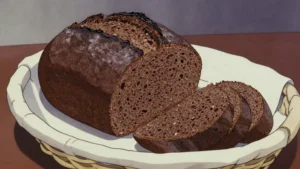
- 500 gLatvian dark rye bread
- 4 litreswater
- 180 gsugar
Ferment
- 10 gfresh yeast, or 5 g dried
- 100 graisins
To flavour
- 1 tbspcaraway seed
- a strip of lemon peel
- 1 tbsphoney
Directions
- Slice the rye and dry it in the oven at 150°C (300°F) for 25 to 30 minutes until hard and darkened.
- Bring the water to the boil, pour it over the toasted bread with the caraway, and leave it covered overnight.
- Strain through a cloth without pressing.
- Stir in the sugar and honey while still warm, then cool to about 30°C (85°F).
- Whisk in the yeast, cover, and leave 12 to 24 hours at room temperature.
- Taste it from about twelve hours. The ferment continues after bottling and glass can burst in a warm room.
- Leave 8 to 12 hours at room temperature until firm, then refrigerate. Latvian brewers relaunched it commercially in the late 1990s and it took a serious share of the soft drink market back from cola, which is a story Latvians enjoy telling.
Technique
- It is generally sweeter and less sour than the Belarusian and Russian versions.
- Rupjmaize is worth seeking out in a Baltic shop; ordinary rye is a poor substitute.
- It is drunk on its own rather than used for cold soup, unlike the Slavic versions.
Substitutions
- Any dense dark sourdough rye.
- Malt extract for extra colour and depth.
Variations
- With more caraway, which is the countryside style.
- Made with birch sap in spring, which is a distinct Latvian tradition.
- Kvas, gira and kali, the neighbouring versions.
History
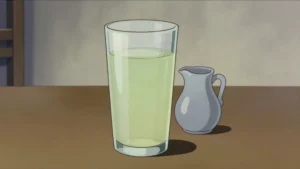
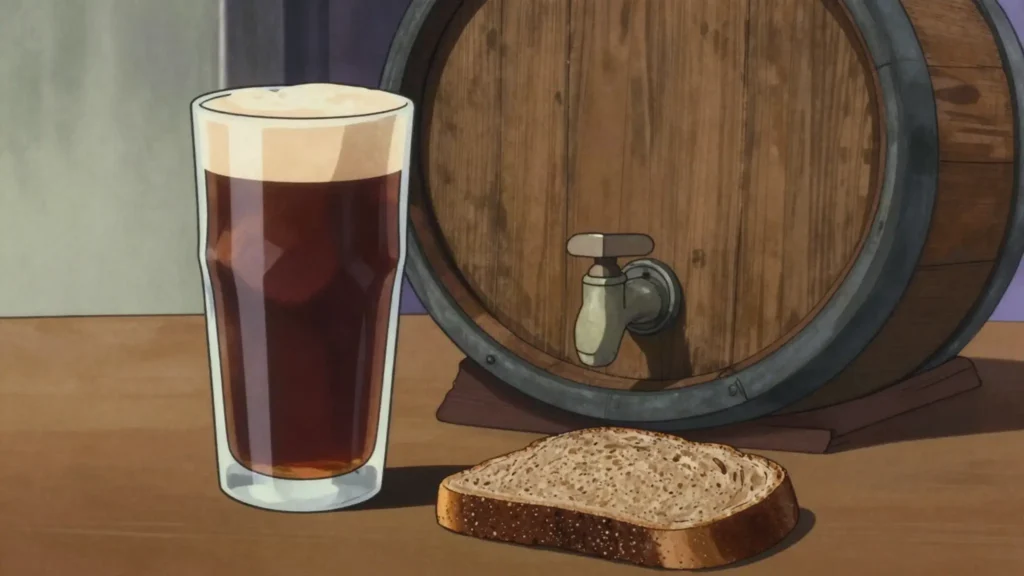
A mildly alcoholic fermented drink made from rye bread, documented across Latvia, Russia and much of the wider Slavic and Baltic region for many centuries, valued historically both as a refreshing, low-alcohol beverage and as a practical way to use stale or leftover bread rather than let it go to waste. Its fermentation, soaking and fermenting soaked rye bread with yeast and sometimes fruit or herbs for flavour, produces a drink with only a very low alcohol content, historically making it acceptable for children and considered more of an everyday soft drink than a true alcoholic beverage in most households where it was consumed. Kvass remains a popular traditional drink across Latvia and the wider Baltic and Slavic region, sold both commercially and homemade.
Frequently asked questions
What is Kvass?
Kvass is a drink from Latvia: fermented rye bread drink once sold from street tanks. A mildly alcoholic fermented drink made from rye bread, documented across Latvia, Russia and much of the wider Slavic and Baltic region for many centuries, valued historically both as a refreshing, low-alcohol beverage and as a practical way to use stale or leftover bread rather than let it go to waste. Its fermentation, soaking and fermenting soaked rye bread with yeast and sometimes fruit or herbs for flavour, produces a drink with only a very low alcohol content, historically making it acceptable for children and considered more of an everyday soft drink than a true alcoholic beverage in most households where it was consumed. Kvass remains a popular traditional drink across Latvia and the wider Baltic and Slavic region, sold both commercially and homemade.
How long does Kvass take to make?
Kvass takes 20 min plus 8 hr steeping and 24 hr fermenting of preparation and 30 min of cooking. The recipe makes about 4 litres. It is rated medium to make.
What can I substitute in Kvass?
Yes, within limits. Any dense dark sourdough rye. Malt extract for extra colour and depth.
What is the most important thing to get right in Kvass?
It is drunk on its own rather than used for cold soup, unlike the Slavic versions.