
Ingredients
Traditional galapong
- 500 graw white rice
- water, for soaking
- 1 tbspcooked rice, for texture
Modern method
- 400 grice flour
- 2 tspbaking powder
Batter
- 200 gcaster sugar
- 300 mlwater or coconut milk
- 1/2 tspsalt
- 1 tbspmelted butter
To top
- sliced hard cheese
- or salted egg slices
- or grated coconut
Equipment
- small puto moulds, or a muffin tin
- a steamer with a cloth-wrapped lid
To serve
- dinuguan
- hot chocolate
- coffee
Directions
- Rinse the rice several times and soak it overnight in cold water. Drain it and grind it with a little fresh water into a smooth paste. A wet grinder gives the best result and a blender will manage.
- Whisk the rice flour and baking powder together if using the modern method. Add the sugar and the salt to it. Whisk in the water or coconut milk gradually. Whisk until completely smooth with no lumps.
- Stir the melted butter in as well. It should be thin, roughly the consistency of single cream. Strain it through a sieve to catch any lumps. Let the batter rest for ten minutes. Bring the water in the steamer to a rolling boil first. The steam must be going strongly before the cakes go in.
- Wrap the lid in a clean cloth and tie it. Greasing the moulds properly stops them sticking. Brush each mould with a little oil or melted butter. Filling the moulds needs restraint. Pour the batter into each mould to about three quarters full. Work quickly so the baking powder does not lose its lift.
- Set the filled moulds in the steamer with space between them. Cover with the cloth-wrapped lid. Steam them for twelve to fifteen minutes over a strong boil. Do not lift the lid in the first eight minutes.
- Lift the lid at eight minutes if you are adding cheese. Lay a slice of cheese or salted egg on each cake. Checking they are done takes one test.
- Take the moulds out and let them cool for two minutes. Run a thin knife around each cake. Turn them out onto a wire rack. Serving them is done while warm. Serve them warm rather than hot. They also go with hot chocolate or coffee.
Technique
- Wrap the steamer lid in a cloth, since a single drip of condensation pits the surface.
- Fill the moulds three quarters full, as they rise considerably.
- Add the cheese topping partway through, or it sinks into the batter.
Substitutions
- Rice flour and baking powder in place of traditional soaked galapong.
- A muffin tin in place of puto moulds.
Variations
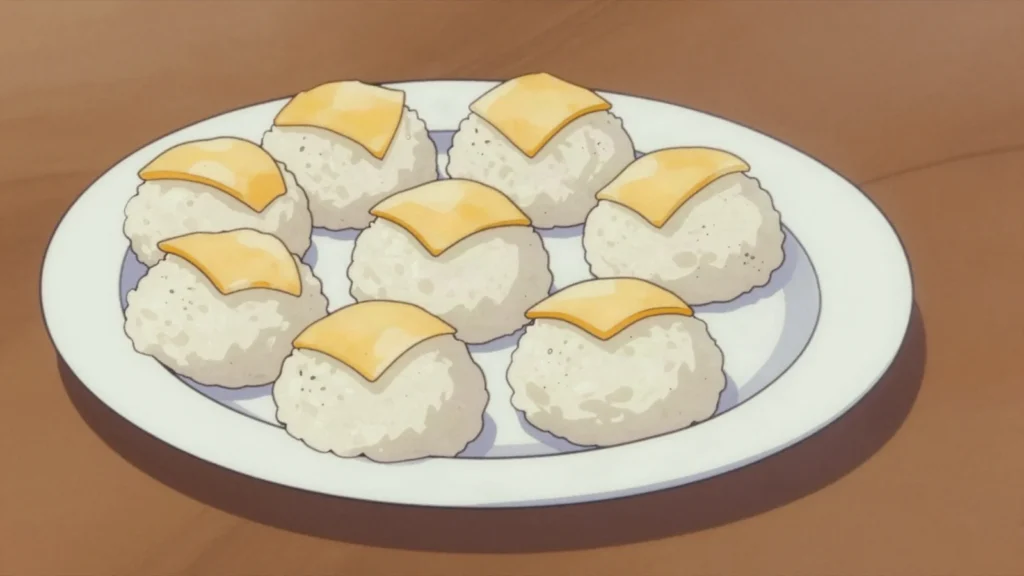
- Puto cheese, topped with a slice of hard cheese.
- With salted egg on top.
- Puto bumbong, the purple version steamed in bamboo tubes.
History
A steamed rice cake, generally mildly sweet and often tinted a distinctive colour depending on regional recipe, developed across the Philippines with roots tracing to Spanish colonial-era influence, its name generally believed to derive from the Tamil word for a similar steamed rice cake, puttu, carried into Filipino cooking through earlier South Asian trade contact with the archipelago predating Spanish colonization. Regional Filipino variations are extensive, from small, plain white puto served with savory dishes like dinuguan, to elaborate, colourful, cheese-topped versions found in different provinces, each region maintaining its own particular recipe and reputation. Puto remains one of the most versatile and widely eaten Filipino rice cakes, equally at home as a savory dish accompaniment or a standalone snack.
Frequently asked questions
What is Puto?
Puto is a snack from Philippines: fluffy steamed rice cakes, classic partner to dinuguan. A steamed rice cake, generally mildly sweet and often tinted a distinctive colour depending on regional recipe, developed across the Philippines with roots tracing to Spanish colonial-era influence, its name generally believed to derive from the Tamil word for a similar steamed rice cake, puttu, carried into Filipino cooking through earlier South Asian trade contact with the archipelago predating Spanish colonization. Regional Filipino variations are extensive, from small, plain white puto served with savory dishes like dinuguan, to elaborate, colourful, cheese-topped versions found in different provinces, each region maintaining its own particular recipe and reputation. Puto remains one of the most versatile and widely eaten Filipino rice cakes, equally at home as a savory dish accompaniment or a standalone snack.
How long does Puto take to make?
Puto takes 20 min plus overnight soaking of preparation and 20 min of cooking. The recipe makes 24 small cakes. It is rated medium to make.
What can I substitute in Puto?
Yes, within limits. Rice flour and baking powder in place of traditional soaked galapong. A muffin tin in place of puto moulds.
What is the most important thing to get right in Puto?
Stir the melted butter in as well. It should be thin, roughly the consistency of single cream. Strain it through a sieve to catch any lumps. Let the batter rest for ten minutes. Bring the water in the steamer to a rolling boil first. The steam must be going strongly before the cakes go in.