
Ingredients
The drink
- 120 mlpisco (Quebranta puro or acholado, 40–42% ABV)
- 40 mlfresh lime juice, ideally limón sutil
- 40 mlsimple syrup (equal weights sugar and water)
- 1fresh egg white, about 30 ml
- hard ice, plenty of it
To finish
- Amargo de Angostura bitters
- 2small chilled tumblers or old-fashioned glasses
Directions
- Chill the glasses in the freezer while you work; a warm glass collapses the foam within a minute.
- Combine the pisco, lime juice, syrup and egg white in the shaker with no ice and dry-shake hard for 15 seconds to build the protein foam.
- Fill the shaker with ice and shake hard again for 12–15 seconds, until the tin is frosted and painfully cold in the hand.
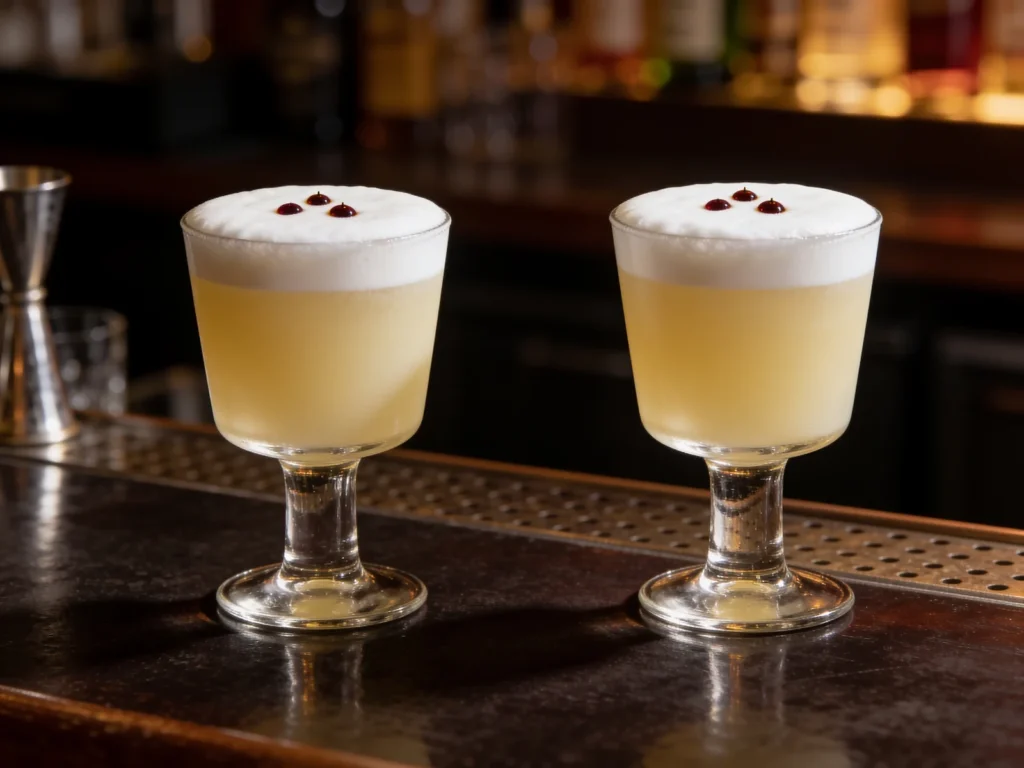
- Double-strain into the chilled tumblers and leave them to settle for 20–30 seconds, until the foam climbs and sets about 1 cm thick.
- Drop three dots of Angostura onto the foam. Draw a cocktail stick through them if you want the pattern; most limeño bartenders simply dot and serve.
- Serve immediately, with no straw. The ratio you are chasing is 3:1:1, pisco to lime to syrup, and it should taste bracing rather than sweet.
- For the Lima method, blitz the same measures with 6–8 ice cubes in a blender for 15 seconds and pour unstrained. This is how most bars in Peru actually make it.
Technique
- It was invented at Morris’ Bar in Lima in the early 1920s by the American bartender Victor Vaughen Morris. The egg white and the bitters came slightly later and are usually credited to his Peruvian barman Mario Bruiget. Peru celebrates the drink on the first Saturday of February.
- Foam depends on protein and cold. A stale egg white, a warm shaker or a lazy dry shake all give a thin head that weeps within a minute.
- The Chilean pisco sour uses pica lime and has no egg white and no bitters. It is a different drink, not a bad copy.
Substitutions
- Pasteurised egg white is fine if raw egg worries you. Aquafaba (20 ml) foams tighter and drier and carries a faint chickpea note.
- No limón sutil: Persian lime juice with a squeeze of lemon gets closer to the sharp, perfumed acidity.
Variations
- Maracuyá sour, made with passion fruit purée in place of some of the lime.
- Chilcano, the long everyday drink: pisco, lime, ginger ale, ice and a dash of bitters.
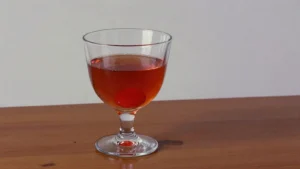
- Capitán, pisco stirred with red vermouth and served up, the drink of the Andean highlands.
History
A cocktail combining pisco, a Peruvian grape brandy, with lime juice, sugar, egg white and bitters, generally credited to Victor Vaughen Morris, an American bartender who ran a bar in Lima in the early 1900s and is said to have created or significantly popularized the drink there, adapting the whiskey sour cocktail format using pisco instead of whiskey as the base spirit. Peru and neighboring Chile maintain a long-running and genuinely serious dispute over which country can rightfully claim pisco itself as a protected national product, a disagreement that extends directly to arguments over which country deserves primary credit for the pisco sour cocktail as well. Peru declared a national Pisco Sour Day, held annually in February, partly reflecting the drink’s significance to Peruvian national identity and its ongoing rivalry with Chile over the underlying spirit.
Frequently asked questions
What is Pisco sour?
Pisco sour is a cocktail from Peru: pisco shaken with lime, syrup, egg white and bitters. A cocktail combining pisco, a Peruvian grape brandy, with lime juice, sugar, egg white and bitters, generally credited to Victor Vaughen Morris, an American bartender who ran a bar in Lima in the early 1900s and is said to have created or significantly popularized the drink there, adapting the whiskey sour cocktail format using pisco instead of whiskey as the base spirit. Peru and neighboring Chile maintain a long-running and genuinely serious dispute over which country can rightfully claim pisco itself as a protected national product, a disagreement that extends directly to arguments over which country deserves primary credit for the pisco sour cocktail as well. Peru declared a national Pisco Sour Day, held annually in February, partly reflecting the drink’s significance to Peruvian national identity and its ongoing rivalry with Chile over the underlying spirit.
How long does Pisco sour take to make?
Pisco sour takes 5 min of preparation and 5 min shaking and settling of cooking. The recipe makes 2 cocktails. It is rated easy to make.
What can I substitute in Pisco sour?
Yes, within limits. Pasteurised egg white is fine if raw egg worries you. Aquafaba (20 ml) foams tighter and drier and carries a faint chickpea note. No limón sutil: Persian lime juice with a squeeze of lemon gets closer to the sharp, perfumed acidity.
What is the most important thing to get right in Pisco sour?
Serve immediately, with no straw. The ratio you are chasing is 3:1:1, pisco to lime to syrup, and it should taste bracing rather than sweet.