
Ingredients
The dough
- 1 kgplain flour
- 200 gsugar
- 200 gbutter or lard, softened
- 4eggs
- 350 mlwarm milk
- 15 gdried yeast
- 2 teaspoonssalt
The flavour
- 2 tablespoonsanise seed
- lightly toasted
- 1 teaspoonground cinnamon
- grated zest of 1 orange, optional
To finish
- 1egg, beaten
- a little milk
- extra anise seed, to scatter
To bake
- a very hot oven
- or a wood-fired oven
- a large flat tray
Directions
- Toast the anise seed briefly first. A dry pan for a minute is enough. Shake the pan constantly throughout. Take them off as soon as they smell. That makes it both soft and rich.
- Butter gives a better flavour. Heat a dry pan over medium heat. Add all of the anise seed to it. Shake it constantly for a minute. It should smell strongly aromatic. Take it off the heat at that point. Tip it out to stop it cooking. Warm all of the milk very gently.
- Stir the yeast and a spoon of sugar in. Let it stand there for ten minutes. The yeast should foam visibly. Discard it and start again if it does not. Mixing the dry is the next step.
- Put the flour in a very large bowl. Add the sugar and the salt to it. Add the toasted anise and cinnamon. Stir them together thoroughly. Use a far larger bowl than you expect. Add the yeast milk, eggs and fat. Bring it together into a soft dough. It should be soft and slightly tacky. Add a little more milk if it is.
- Knead it for about twelve minutes. A mixer with a dough hook helps. Put the dough in an oiled bowl. Cover it and leave it somewhere warm. Give it a good two full hours. Divide it into two equal pieces. Flatten each piece into a large disc.
- Press it out flat with your hands. It should be quite flat and wide. Start it flatter than you want it. Set the discs on lined baking trays. Cover them and leave them to rise. Give them about one full hour.
- Heat the oven to two hundred degrees. Give it a good twenty minutes. Beat the egg with a little milk. Brush it over the risen breads. Egg and milk gives a soft golden shine. Brush it gently so as not to deflate it. Scatter more anise seed over the top.
- Press the pattern in with your fingers. It also stops it doming too much. Bake it for about thirty-five minutes. Thirty-five minutes is usually enough. Cover it with foil if it darkens early. Judging it takes a careful check. Lift it out onto a wire cooling rack.
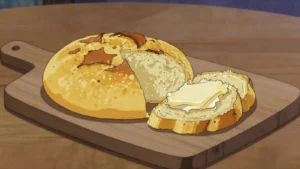
- Let it cool at least a little. The crumb sets firm as it cools. Tear pieces off with the hands. Serve butter alongside if you like. It keeps four days in a sealed bag.
Technique
- Anise seed is the defining flavour and goes in generously — without it this is just a sweet bread. Toast it briefly in a dry pan first to release the aromatic oils, shaking constantly and taking it off as soon as it smells: small seeds burn very fast, and burnt anise is bitter and ruins the bread.
- It is baked in wood-fired clay ovens in Oropesa that hold heat for hours and give a particular crust and smokiness, which a domestic oven cannot match. The bread is still very good made at home — that is a difference rather than a failure. Bake at two hundred degrees, since a hotter domestic oven browns the sugar too fast.
- This is a flat wide bread rather than a domed loaf, so press each piece out to about three centimetres thick and start it flatter than you want it, since it rises upward as it bakes. Give the discs plenty of room, since they spread as well as rise.
Substitutions
- Lard is traditional in some Oropesa bakeries and gives a softer crumb; butter gives a better flavour, and both are genuinely used.
- Egg beaten with a little milk gives a soft golden shine where egg alone gives a deeper gloss; either works.
Variations
- Buses stop on the road through Oropesa and sellers board them with armfuls of bread, which is how most of it is sold; the loaves can be forty centimetres across.
- Press a pattern of dimples in before baking, which bakeries use to mark their breads and which also stops it doming too much.
- It is torn rather than sliced and shared around, eaten plain or with butter.
History
Baked in Oropesa near Cusco, which calls itself the bread town, and sold by the armful at roadside.
Frequently asked questions
What is Pan chuta?
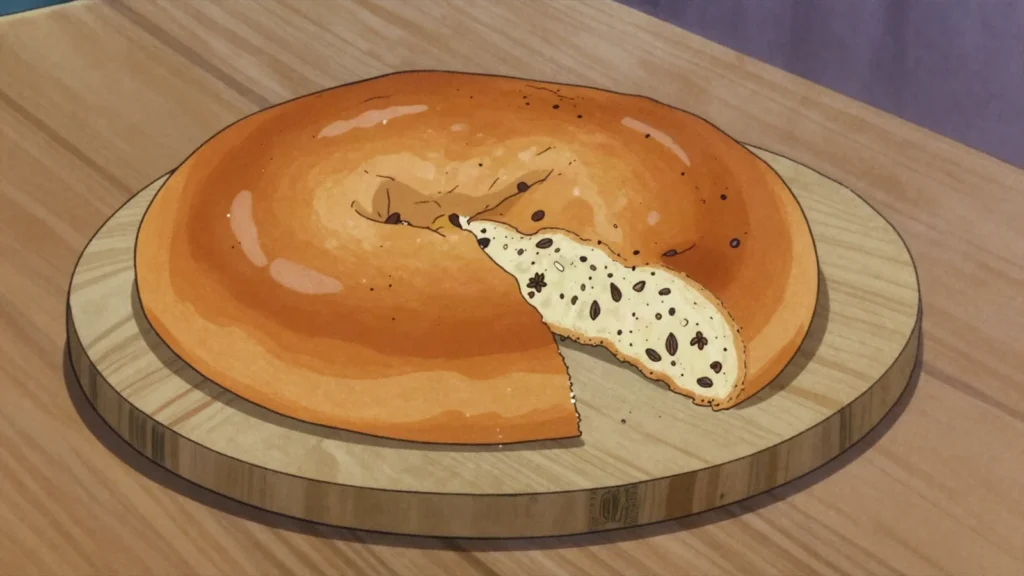
Pan chuta is a bread & pastry from Peru: large sweet anise bread baked in wood ovens in the Cusco valley. Baked in Oropesa near Cusco, which calls itself the bread town, and sold by the armful at roadside.
How long does Pan chuta take to make?
Pan chuta takes 40 minutes plus rising of preparation and 35 minutes of cooking. The recipe makes 2 large breads. It is rated medium to make.
What can I substitute in Pan chuta?
Yes, within limits. Lard is traditional in some Oropesa bakeries and gives a softer crumb; butter gives a better flavour, and both are genuinely used. Egg beaten with a little milk gives a soft golden shine where egg alone gives a deeper gloss; either works.
What is the most important thing to get right in Pan chuta?
It is baked in wood-fired clay ovens in Oropesa that hold heat for hours and give a particular crust and smokiness, which a domestic oven cannot match. The bread is still very good made at home — that is a difference rather than a failure. Bake at two hundred degrees, since a hotter domestic oven browns the sugar too fast.