
Ingredients
The root extract
- 40 gdried liquorice root
- or soapwort root
- 1 litrewater
The foam
- 4egg whites
- pasteurised, or dried albumen
- 400 gsugar
- 150 mlwater
- 1 teaspoonlemon juice
Sometimes flavoured with
- a little vanilla
- rosewater
To serve
- with fresh bread
- at Navruz
- or at Ramadan
Directions
- Use pasteurised white if any will eat it. Plain egg white foam collapses within hours. Rinse the dried root thoroughly. Cover it with cold water in a bowl.
- Leave it to soak there overnight. The root is hard and very dry. Put the root and its water in a pot. Bring the pot up to a full boil. Give it about forty full minutes. Stir the liquid vigorously in the pot. It should foam up quite readily. Reduce it further if it does not. Stop once it does foam readily.
- Strain the liquid through a fine cloth. Press the root against the cloth. Discard all of the boiled root. Strain it twice if it is cloudy. Let the extract cool completely. Refrigerate it if you have time. Warm extract foams only loosely. Put the sugar and water in a pan. Warm it until the sugar dissolves. Add the lemon juice once it boils. Acid stops the sugar crystallising.
- Let it boil without stirring it. Bring it up to a thread stage. Never touch it or taste it while hot. Keep children well away from the pan. Put the egg whites in a clean dry bowl. Whip them until they hold stiff peaks. Any grease stops whites whipping properly.
- Use a glass or metal bowl rather than plastic. Whip the cooled root extract into the whites. Add it gradually rather than at once. The extract is a very thin liquid. Add it slowly with the whisk running. The foam takes it up as you go. Keep the whisk running throughout. Pour the hot syrup in a thin stream.
- Pour it down the side of the bowl. A thin steady stream is essential. Take a full minute over the pour. Keep whipping after the syrup is in. Give it a good ten full minutes. Whip it for longer if it does.
- Whip in a little vanilla at the end. Too much tastes soapy and perfumed. Add it gradually and taste as you go. Spoon it out into a shallow bowl. Serve fresh bread alongside it. It keeps several days covered. Whip it briefly to bring it back.
Technique
- This is a raw egg preparation and the atlas states that plainly: the foam is never cooked after whipping, and although the syrup poured in is hot the whites never reach a cooking temperature. Raw egg white carries a small but genuine salmonella risk, the same as a raw meringue. Pasteurised egg white or dried albumen powder removes it and whips exactly as well; use one if anyone pregnant, very young or with low immunity will eat it. The atlas also carries natef from Syria, which uses no egg at all and foams on the saponins alone — a genuine difference that changes who can safely eat which.
- The saponin-rich root extract is what makes it hold: plain egg white foam collapses within hours where this keeps for days. Saponins in quantity irritate the gut and cause nausea and diarrhoea, and the failure mode is over-concentrating the extract rather than the dish as normally made — so follow the proportions, stop reducing once it foams readily, and treat bitterness as the warning sign.
- Pour the hot syrup into the whipped whites in a thin steady stream down the side of the bowl, taking a full minute: pouring fast cooks the whites into lumps and throws hot syrup about. Add the thin root extract gradually too, since adding it fast collapses the foam.
Substitutions
- Dried albumen powder stands in for egg white and removes the raw egg question.
- Soapwort root is used as well as liquorice root; both give a foaming extract.
Variations
- The atlas also carries nishallo from Tajikistan, which is the same thing under another name.
- Cold extract whips to a stiffer foam than warm, so refrigerate it before whipping if there is time.
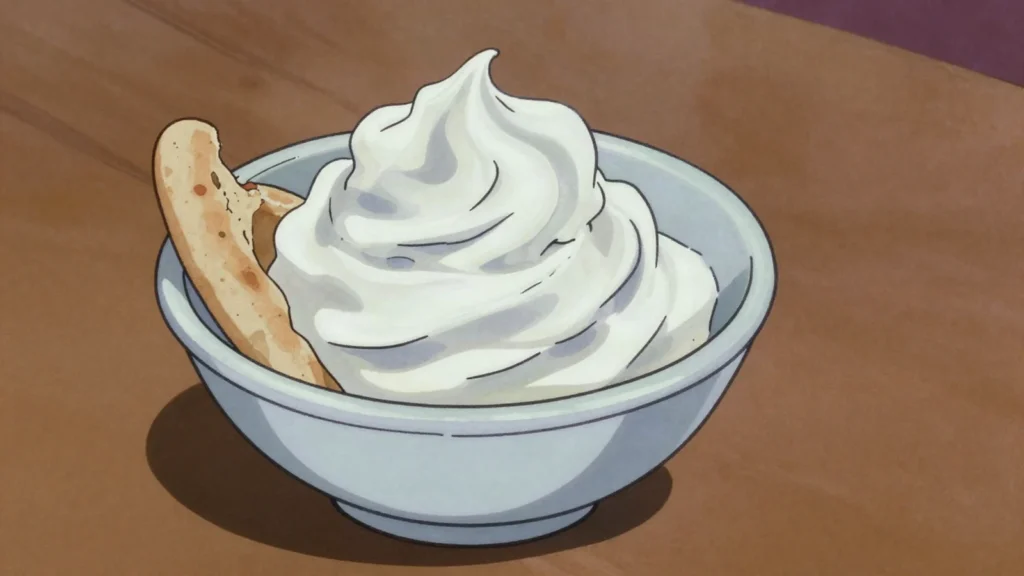
- It is spread on fresh bread rather than eaten with a spoon alone; bread and foam together is the dish.
History
Made for Navruz and Ramadan; the soapwort or liquorice extract lets it hold its foam for days.
Frequently asked questions
What is Nishalda?
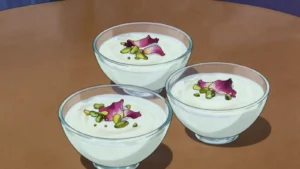
Nishalda is a dessert from Uzbekistan: white foam of whipped egg white, sugar and liquorice root, eaten with bread. Made for Navruz and Ramadan; the soapwort or liquorice extract lets it hold its foam for days.
How long does Nishalda take to make?
Nishalda takes 40 minutes plus soaking of preparation and 40 minutes of cooking. The recipe makes about 600 ml. It is rated hard to make.
What can I substitute in Nishalda?
Yes, within limits. Dried albumen powder stands in for egg white and removes the raw egg question. Soapwort root is used as well as liquorice root; both give a foaming extract.
What is the most important thing to get right in Nishalda?
Let it boil without stirring it. Bring it up to a thread stage. Never touch it or taste it while hot. Keep children well away from the pan. Put the egg whites in a clean dry bowl. Whip them until they hold stiff peaks. Any grease stops whites whipping properly.