Ingredients
The pulses
- 400 ggreen gram
- whole mung beans, ndengu
- soaked 4 hours, or overnight
- or unsoaked, with longer cooking
The base
- 3 tablespoonsoil
- or coconut oil
- 2onions, finely chopped
- 4 clovesgarlic, crushed
- a thumb of ginger, grated
- 3tomatoes, chopped
- or 1 tin chopped tomatoes
- 1 tablespoontomato purée
- 1 teaspoonground cumin
- 1 teaspoonground coriander
- half a teaspoon turmeric
- 1green chilli, slit
- or to taste
- 1 teaspooncurry powder
- optional
The liquid
- about 800 ml water
- or 400 ml water
- and 400 ml coconut milk
- see the note
- salt and black pepper
To finish
- a handful of coriander leaf
- chopped
- juice of half a lime
- or lemon
To serve
- chapati
- or rice
- or ugali
- kachumbari salad
- a chilli sauce
Directions
- Rinse the beans and pick out any stones. Cover them with cold water. Soak them four hours or overnight. Drain and discard the soaking water. It does not need a hard ten-minute boil.
- Put them in a pot with fresh water. Bring them to a boil and skim any foam. Simmer them until tender. Soaked beans take about thirty minutes.
- Salt added early can toughen the skins. The beans should be soft but whole. Keep it. Heat the oil in a heavy pot. Add the chopped onions. Cook them for about ten minutes until soft. Cook the onions properly.
- Cook them for two minutes. Add the ground spices. Add the curry powder if you use it. Cook them briefly. Add the purée and cook it two minutes. Add the chopped tomatoes. Cook them down for about ten minutes. They should collapse completely.
- Add the cooked beans and their liquid. Add the green chilli. Add more water if needed. Bring it to a simmer. Simmer it for about twenty minutes. Stir it regularly. Mash some of the beans against the pot side. Leave most of them whole. Use coconut milk in place of some water. Add thin coconut milk with the beans.
- Add thick coconut cream in the last five minutes. Never let it boil hard. Keep it at a bare simmer. A tin separates into thick cream and thin liquid. Spoon the cream off the top. Use the thin liquid first and the cream at the end. Season with salt and black pepper. Taste it carefully. It tastes flat if underseasoned.
- Add lime or lemon juice at the end. Add the chopped coriander. It should be thick and spoonable. Add water when reheating. Serve it hot with chapati. It is soft rather than crisp. Add water when reheating it. The coconut version needs gentle reheating.
Technique
- Green gram does not carry the lectin problem of red kidney beans and needs no hard ten-minute boil — ordinary simmering is enough. The atlas states that so the kidney bean rule is not misapplied here.
- Soaking is optional but useful. It cuts the cooking from about forty-five minutes to thirty and makes the beans more digestible, reducing the compounds that cause wind. Discard the soaking water, which is where those compounds sit.
- Keep the bean cooking water. It is starchy and thickens the stew better than anything you could add.
- Mash some of the beans against the side of the pot to thicken it, leaving most whole. Some cooks collapse them entirely for a thick homogeneous stew and both are made.
- Wait for the oil to separate and rise from the tomato and onion base before the beans go in. That is the standard indicator that it has cooked properly.
- Cook the onions properly, a full ten minutes. Undercooked onion leaves the stew sharp, and the sweetness only develops with time.
- Never let coconut milk boil hard in the coastal version. It splits into grainy oil — use the thin liquid with the beans and add the thick cream only in the last five minutes. Do not shake the tin; spoon the cream off the top.
- The lime at the end is necessary rather than optional. It lifts a dish that is otherwise heavy and flat.
- Season it properly. Pulses absorb a great deal of salt and this tastes bland without enough.
- Pick through dried pulses for small stones before soaking. They genuinely do contain them.
- Whole green gram keeps its shape; the split and skinned yellow mung cooks far faster and breaks down to a purée. Ndengu uses the whole green bean.
- The tomato version is inland everyday cooking and the coconut version is coastal. That distinction is geographical and real — Mombasa and the coast use coconut constantly, Nairobi and the interior far less.
- Curry powder and chapati in Kenyan cooking come from long Indian contact, including the indentured labourers who built the Uganda Railway and the communities descended from those who stayed.
Substitutions
- Tinned coconut milk makes the coastal version; water alone makes the inland one.
- Split yellow mung replaces whole green gram, cooking faster into a purée.
- Any small pulse works, though green gram is what ndengu means.
- Coconut oil replaces vegetable oil, particularly for the coastal version.
- Curry powder is optional; cumin, coriander and turmeric carry the dish.
- Rice or ugali replace chapati as the accompaniment.
Variations
- Ndengu ya nazi is the coastal coconut version.
- Maharage ya nazi in Tanzania uses kidney beans in the same coconut base.
- Ndengu with minced meat added is made where meat is affordable.
- Githeri, the maize and bean stew, is the other great Kenyan pulse dish.
- Dengu served over rice is the simplest everyday form.
- A drier version, cooked down until it clings, is served as a side.
Frequently asked questions
What is Ndengu?
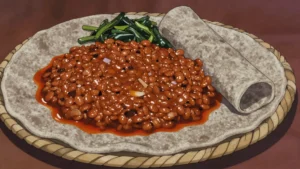
Ndengu is a soup & stew from Kenya: green gram stewed with coconut or tomato, eaten with chapati.
How long does Ndengu take to make?
Ndengu takes 15 minutes plus soaking of preparation and 1 hour of cooking. The recipe makes serves 6. It is rated easy to make.
What can I substitute in Ndengu?
Yes, within limits. Tinned coconut milk makes the coastal version; water alone makes the inland one. Split yellow mung replaces whole green gram, cooking faster into a purée. Any small pulse works, though green gram is what ndengu means. Coconut oil replaces vegetable oil, particularly for the coastal version. Curry powder is optional; cumin, coriander and turmeric carry the dish. Rice or ugali replace chapati as the accompaniment.
What is the most important thing to get right in Ndengu?
Add thick coconut cream in the last five minutes. Never let it boil hard. Keep it at a bare simmer. A tin separates into thick cream and thin liquid. Spoon the cream off the top. Use the thin liquid first and the cream at the end. Season with salt and black pepper. Taste it carefully. It tastes flat if underseasoned.