
Ingredients
Rice
- 600 glong-grain rice
- 1 tspsalt
- 2pandan leaves, knotted
Kari ayam
- 1chicken, jointed
- 4 tbspmeat curry powder
- 400 mlcoconut milk
- 3onions
- 6 clovesgarlic
- 5cm ginger
- 2tomatoes
- 1cinnamon stick
- 4cardamom pods
- 2star anise
- 10curry leaves
Kuah ikan, fish curry
- 600 gmackerel or stingray
- 3 tbspfish curry powder
- 2 tbsptamarind paste in 300 ml water
- 3 slicesasam gelugor
- 2tomatoes
- 6okra
Dhal
- 250 gyellow split peas
- 1 tspturmeric
- 1onion
- 1 tspmustard seed
- 1 tspcumin seed
- 10curry leaves
- 2dried chillies
Sides
- fried chicken
- fried squid
- hard-boiled eggs
- salted egg
- fried bitter gourd
- acar
To serve
- cucumber slices
- raw onion
Directions
- Make at least two curries and a dhal, because one gravy on rice is not nasi kandar. Cook the rice plain with salt and pandan, and keep it plain. The rice carries the gravies and must not compete with them, so no coconut milk and no spices go into it.
- Mix the curry powder with a little water into a thick paste and let it stand 10 minutes. Wetting curry powder into a paste before frying is standard in Malaysian Indian cooking and it stops the spices scorching in the pan.
- Fry the whole spices and curry leaves in oil, then the onion paste, for 10 minutes until it darkens. Add the wetted curry paste and fry it for 8 to 10 minutes until the oil separates and pools at the edges.
- Wait for the oil to split from the paste. Add the chicken, brown it, then add the tomatoes and enough water to cover and simmer 30 minutes.
- Stir in the coconut milk at the end and warm it through without boiling. Coconut milk goes in last and never boils hard, because a boiled coconut gravy splits and goes oily.
- Simmer the gravy 15 minutes before the fish goes in, and poach the fish for 8 minutes only. The fish curry should be sour and thin, and it is the one most people ask for in the banjir.
- Pour the sizzling tempered oil over the cooked dhal rather than cooking the spices in it, which is what gives the tarka its aroma. Fry the extra items separately: chicken, squid, bitter gourd, whatever you are making. Add cucumber, raw onion and acar on the side.
Technique
- The gravies keep and improve overnight, which is how stalls work.
- Kuah campur or banjir is the term for the mixed flooding of gravies.
- Nasi kandar stalls are open twenty-four hours in Penang and are as much a night habit as a meal.
Substitutions
- Any good Malaysian meat and fish curry powders.
- Tamarind paste in place of asam gelugor.
Variations
- With mutton curry, which is a Penang favourite.
- Vegetarian, with dhal, bitter gourd and vegetable curries.
- Nasi Padang, the Indonesian relative with a different format.
History
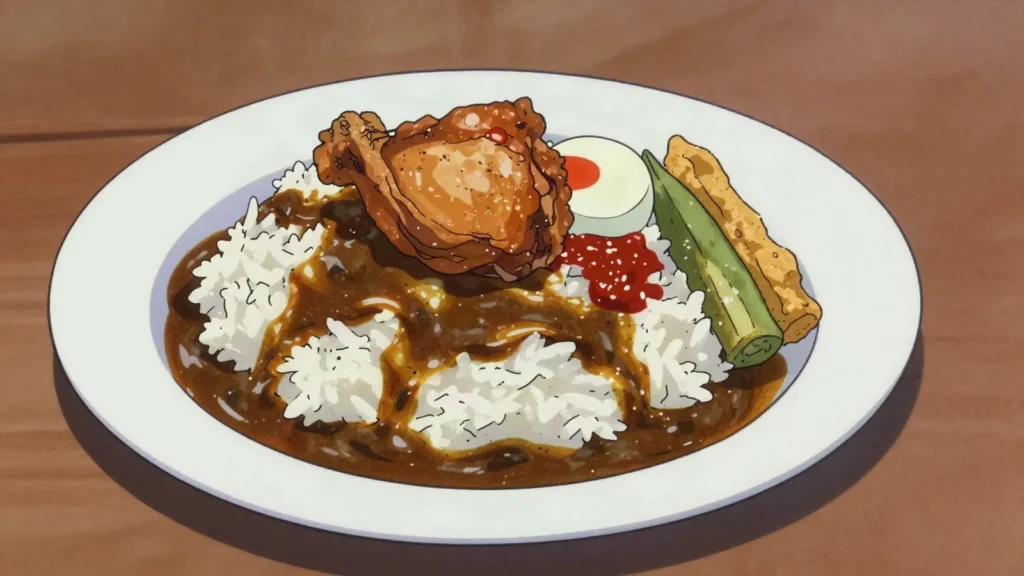
Rice served with a wide selection of curries and side dishes ladled generously over it, developed by Indian Muslim immigrants in Penang, Malaysia, with the name referring to the traditional method of selling the dish: kandar means to carry on a shoulder pole, describing early vendors who carried pots of rice and curry balanced on a pole across their shoulders, walking through the streets to sell to customers directly rather than operating from a fixed stall. Penang in particular developed a strong and enduring regional identity around nasi kandar, with the specific style, generously mixing sauce from multiple different curries together over one plate of rice rather than keeping them separate, becoming a distinguishing hallmark of the dish as commonly served there. It remains one of Penang’s most iconic culinary exports within wider Malaysian cuisine.
Frequently asked questions
What is Nasi Kandar?
Nasi Kandar is a main from Malaysia: penang rice flooded with mixed curries from Indian-Muslim stalls. Rice served with a wide selection of curries and side dishes ladled generously over it, developed by Indian Muslim immigrants in Penang, Malaysia, with the name referring to the traditional method of selling the dish: kandar means to carry on a shoulder pole, describing early vendors who carried pots of rice and curry balanced on a pole across their shoulders, walking through the streets to sell to customers directly rather than operating from a fixed stall. Penang in particular developed a strong and enduring regional identity around nasi kandar, with the specific style, generously mixing sauce from multiple different curries together over one plate of rice rather than keeping them separate, becoming a distinguishing hallmark of the dish as commonly served there. It remains one of Penang’s most iconic culinary exports within wider Malaysian cuisine.
How long does Nasi Kandar take to make?
Nasi Kandar takes 1 hr of preparation and 2 hr of cooking. The recipe makes 6 servings. It is rated hard to make.
What can I substitute in Nasi Kandar?
Yes, within limits. Any good Malaysian meat and fish curry powders. Tamarind paste in place of asam gelugor.
What is the most important thing to get right in Nasi Kandar?
Make at least two curries and a dhal, because one gravy on rice is not nasi kandar. Cook the rice plain with salt and pandan, and keep it plain. The rice carries the gravies and must not compete with them, so no coconut milk and no spices go into it.