
Ingredients
The leaves
- 800 gyoung pumpkin leaves
- with their soft shoots
- strings pulled off
The pot
- 1onion, chopped
- 2tomatoes, chopped
- 2 tablespoonsoil
- about 150 ml water
- salt
The peanut butter version
- 4 tablespoonspeanut butter
- unsweetened
- or groundnut paste
- a little hot water, to loosen
To serve
- sadza
- stiff maize meal
- eaten with the right hand
Directions
- Pull the broken end downwards. Repeat it on the leaf veins as well. Stringing a large bunch takes real time. Check the label carefully before buying. It is cooked stiff enough to hold in the hand. Pick the leaves and soft shoots over. Discard any tough woody stems. It should snap rather than bend.
- Pull the broken end down the stem. Pull them right off and discard them. Pull the strings from the thick leaf veins too. They are often skipped and should not be. Wash the leaves in several changes of water. Fill a bowl and lift the leaves out. Repeat it until no grit settles.
- Stack the leaves and roll them up. Slice them across into ribbons. Cut them all up into fine ribbons. Heat the oil in a wide heavy pot. Add the chopped onion in to it. Cook it for a good six minutes. Add the chopped tomatoes to the pot.
- Cook them down for about six minutes. The tomato should soften and break down. Cook it until it goes quite jammy. Add the chopped leaves to the pot. Add them in batches if the pot is full. Raw leaves take up an enormous amount of space. Add a handful, let it wilt, add more. Adding the liquid is straightforward enough.
- Add a little water to the pot. Season it with a little salt now. Add only a little to start with. Add more later if it goes dry. Cooking it takes about twenty minutes. Cover the pot and lower the heat. Let it cook for about twenty minutes.
- Stir it through every now and then. Pumpkin leaves need real cooking to soften. Cook them on if they still resist. Cook the leaves as before with onion. Leave out the tomato if you like. Both of them are done in Zimbabwe. Put the peanut butter in a bowl. Add hot water a little at a time.
- Whisk it into a smooth loose cream. Thick paste added dry sits in lumps. Stir the loosened paste into the pot. Let it cook for ten more minutes. Ten minutes makes a real difference.
- Stir it regularly all the way through. Keep the heat low and quite steady. Judging it takes a careful look. Oil should be visible at the surface. It should not be a thin liquid. Oil rising is a sign it has cooked. Add hot water if it goes too thick.
- Taste it and adjust the salt as needed. The peanut version needs generous salting. Taste it properly right at the end. Serving it is always done hot. Spoon it out into a serving bowl. Serve stiff sadza alongside it. It keeps two days refrigerated.
Technique
- Pumpkin leaves have tough fibrous strings along the stems and main veins that stay tough however long they cook and must be pulled off first: snap the stem near the leaf and pull the broken end downwards, and repeat on the thick veins, which are often skipped and should not be. Stringing a large bunch takes real time and there is no shortcut, but unstringed leaves are unpleasant to eat and longer cooking will not fix it.
- One plant gives two foods — leaves picked while the fruit is developing, months before the harvest — but picking too many weakens the plant and reduces the fruit, so growers take the young tips and leave enough to keep growing.
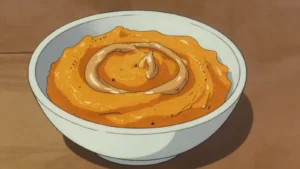
- For the peanut version, loosen the peanut butter with hot water into a smooth pourable cream before it goes in, since thick paste sits in lumps that never disperse; then cook it ten minutes, stirring regularly, since raw peanut butter tastes chalky and it catches and burns bitter on the bottom.
Substitutions
- Groundnut paste is the same thing as unsweetened peanut butter; a sweetened one ruins the dish, so check the label.
- Some cooks use tomato and peanut together and others one or the other; both are done.
Variations
- The atlas also carries mokopu from Lesotho, the pumpkin fruit mashed, and matembele from the Congo, sweet potato leaves cooked much the same way.
- The fine hairs on the leaves feel rough raw but soften completely with cooking.
- Muboora nedovi is the peanut butter version; dovi is the Shona word for peanut butter.
History
Young pumpkin leaves and shoots picked before the fruit ripens, cooked with tomato and peanut butter.
Frequently asked questions
What is Muboora?
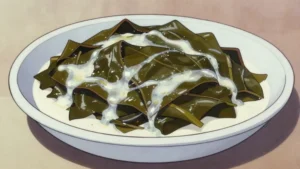
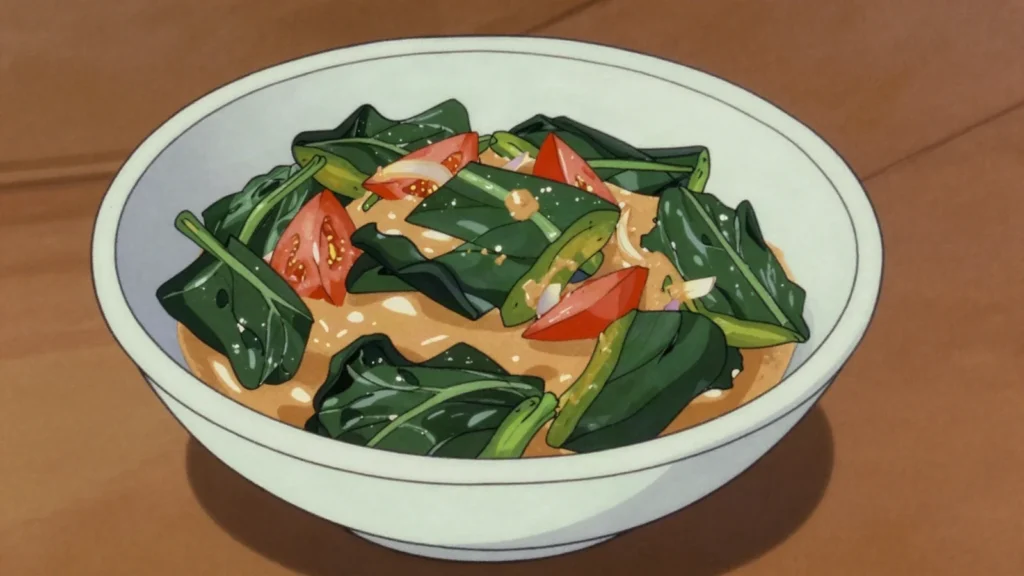
Muboora is a salad & side from Zimbabwe: pumpkin leaves cooked with tomatoes or peanut butter. Young pumpkin leaves and shoots picked before the fruit ripens, cooked with tomato and peanut butter.
How long does Muboora take to make?
Muboora takes 25 minutes of preparation and 30 minutes of cooking. The recipe makes serves 6. It is rated easy to make.
What can I substitute in Muboora?
Yes, within limits. Groundnut paste is the same thing as unsweetened peanut butter; a sweetened one ruins the dish, so check the label. Some cooks use tomato and peanut together and others one or the other; both are done.
What is the most important thing to get right in Muboora?
Pull the broken end downwards. Repeat it on the leaf veins as well. Stringing a large bunch takes real time. Check the label carefully before buying. It is cooked stiff enough to hold in the hand. Pick the leaves and soft shoots over. Discard any tough woody stems. It should snap rather than bend.