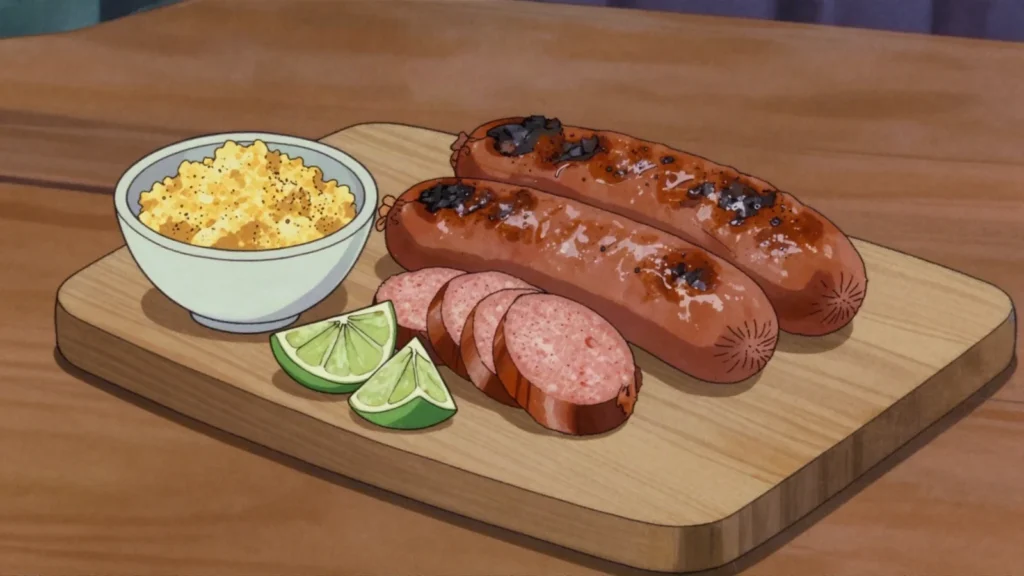

Ingredients
Sausage
- 1 kgpork shoulder, coarsely minced
- 200 gpork back fat, chopped small
- 8 clovesgarlic, crushed
- 2 tbspsweet paprika
- 1 tbsphot paprika, or to taste
- 2 tspsalt
- 1 tspblack pepper, coarsely ground
- 1 tspdried oregano
- 2bay leaves, ground fine
- 120 mldry white wine
- 2m natural hog casing, rinsed and soaked
To serve
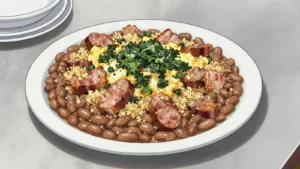
- farofa, or rice and beans
- lime wedges
Directions
- Mix the pork, fat, garlic, both paprikas, salt, pepper, oregano, ground bay and wine with your hands until evenly combined. Cover and refrigerate overnight so the seasoning penetrates — this is the step that makes it linguiça rather than seasoned mince in a skin.
- Fry a spoonful the next day and taste for salt and heat before you fill anything.
- Fill the soaked casing loosely and twist into sausages about 12 cm long, tying the ends. Prick each one once so it does not burst.
- Leave the linked sausages uncovered in the fridge for a few hours to dry the surface. A dry skin browns; a wet one steams.
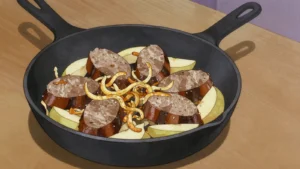
- Grill over medium coals or fry over medium heat, turning often, for 20 to 25 minutes until browned all over and cooked through. Keep the heat moderate — paprika burns bitter well before pork cooks through, which is the usual mistake at a churrasco.
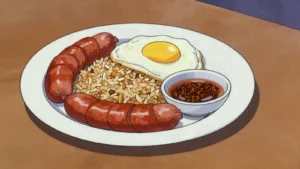
- Rest for five minutes, then serve whole or sliced with farofa, or with rice and beans and a squeeze of lime.
Technique
- This is a fresh sausage, not a cured one. It goes in the fridge and is eaten within two days, or frozen.
- Cut the fat by hand rather than mincing it. Minced fat smears and renders out in the pan; hand-cut cubes stay put and keep the sausage juicy.
- Grind the bay leaves to a powder. Whole or torn, they are unpleasant to bite into and add nothing.
Substitutions
- Cachaça in place of the wine, which is common in Brazil and gives a slightly sweeter edge.
- Smoked paprika for a share of the sweet, if you want something closer to the Blumenau smokehouse style.
- Chicken thigh in place of pork, with an extra 50 g of fat, for a lighter linguiça de frango.
Variations
- The toscana style of São Paulo is coarser, milder and heavier on fennel.
- The smoked version is hung and cold-smoked before selling — a different product, and one the atlas gives no method for.
History
Portuguese in origin and remade in Brazil; Blumenau’s German-descended smokehouses and Sao Paulo’s toscana style are the best known.
Frequently asked questions
What is Linguiça?
Linguiça is a charcuterie & cured from Brazil: coarse pork sausage, fresh or smoked, grilled at every churrasco. Portuguese in origin and remade in Brazil; Blumenau’s German-descended smokehouses and Sao Paulo’s toscana style are the best known.
How long does Linguiça take to make?
Linguiça takes 40 min plus overnight resting of preparation and 25 min of cooking. The recipe makes makes 12 sausages, serves 6. It is rated medium to make.
What can I substitute in Linguiça?
Yes, within limits. Cachaça in place of the wine, which is common in Brazil and gives a slightly sweeter edge. Smoked paprika for a share of the sweet, if you want something closer to the Blumenau smokehouse style. Chicken thigh in place of pork, with an extra 50 g of fat, for a lighter linguiça de frango.
What is the most important thing to get right in Linguiça?
Mix the pork, fat, garlic, both paprikas, salt, pepper, oregano, ground bay and wine with your hands until evenly combined. Cover and refrigerate overnight so the seasoning penetrates — this is the step that makes it linguiça rather than seasoned mince in a skin.