Ingredients
Leaves
- 1 kgamaranth leaves
- young and tender
- water, for washing
The pot
- 2onions, chopped
- 3tomatoes, chopped
- 3garlic cloves, crushed
- 4 tablespoonsred palm oil
- or any oil
- 1stock cube
- salt and black pepper
- a little water
Sometimes added
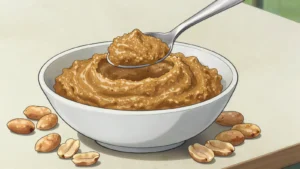
- 3 tablespoonsgroundnut paste
- 1chilli, chopped
- dried fish, flaked
To serve
- ugali or fufu
- rice
- beans
- as a daily relish
Directions
- Pick the top leaves from each stem. Preparing the leaves takes real work. Strip the leaves from their stems. Discard any woody or thick stems. Young thin stems can be chopped and used. Fill a clean sink with cold water. Put the leaves in and swish them about. Lift them out rather than pouring off. Repeat it three or four times. Do it until no grit settles at all. Pile the washed leaves on a board.
- Chop them roughly with a large knife. They do not need to be very fine. Bring a pot of water to a boil. Add the chopped leaves to the pan. Let them boil for about five minutes. Drain them and discard the water. Squeeze the blanched leaves gently. Heat the palm oil in a wide pan. Warm it gently until it liquefies. Do not overheat it or it darkens.
- Add the chopped onions to the pan. Cook them for a good eight minutes. Let them soften and turn golden. Add the crushed garlic to them. Cook it for one more full minute. Add the chopped tomatoes to the pan. Cook them down for about eight minutes. The tomato must cook right down.
- Oil should separate at the edges. Raw tomato taste should be entirely gone. Add the blanched squeezed leaves. Turn them through the tomato base. Crumble the stock cube into it.
- Season it with salt and black pepper. Add a little water if it is dry. Cover the pan and lower the heat. Let it cook for about fifteen minutes. Stir it now and then as it goes. Judging when it is done takes a taste. Oil should be visible around it. It should be moist rather than wet. Cook it uncovered to dry it if needed. Loosen groundnut paste with warm liquid.
- Take a ladle from the pot to do it. Let it cook for ten more minutes. Aflatoxin grows on nuts stored damp or warm. Discard any that smell musty or taste bitter. Taste it and adjust the salt as needed. It needs more than you might expect.
- Add chilli to it if you want heat. Serving it is done hot as a relish. Spoon it beside a mound of ugali. Pinch off the starch and scoop with it. It keeps three days refrigerated.
Technique
- Amaranth grows almost as a weed on disturbed ground and at garden edges, so it is gathered rather than planted in many places, which makes it a genuinely free food and part of why it is cooked most days.
- Amaranth is sometimes confused with other African greens but is neither African nightshade nor jute mallow: it cooks down soft without being slimy, and imbuya in Zambia is the same kind of green under another name.
- Amaranth leaves contain oxalates and can accumulate nitrates from the soil, as many leafy greens do; blanching and discarding the water reduces both, ordinary amounts are not a concern for most people, and anyone prone to kidney stones eats fewer high-oxalate greens.
Substitutions
- Any neutral oil stands in for red palm oil, though it tastes plainer.
- Groundnut paste stirred in thickens and enriches it, common across the region.
Variations
- Some cooks blanch the leaves first and others put them straight in the pot.
- Dried fish is added to the pot in many households.
- Similar amaranth relishes are cooked right across the region.
History
A green shared across Burundi and the eastern Congo, picked from garden edges and cooked as daily relish.
Frequently asked questions
What is Lenga lenga?
Lenga lenga is a salad & side from Burundi: amaranth leaves stewed with onion, tomato and palm oil. A green shared across Burundi and the eastern Congo, picked from garden edges and cooked as daily relish.
How long does Lenga lenga take to make?
Lenga lenga takes 30 minutes of preparation and 40 minutes of cooking. The recipe makes serves 6. It is rated easy to make.
What can I substitute in Lenga lenga?
Yes, within limits. Any neutral oil stands in for red palm oil, though it tastes plainer. Groundnut paste stirred in thickens and enriches it, common across the region.
What is the most important thing to get right in Lenga lenga?
Pick the top leaves from each stem. Preparing the leaves takes real work. Strip the leaves from their stems. Discard any woody or thick stems. Young thin stems can be chopped and used. Fill a clean sink with cold water. Put the leaves in and swish them about. Lift them out rather than pouring off. Repeat it three or four times. Do it until no grit settles at all. Pile the washed leaves on a board.