
Ingredients
Bread
- 600 gplain flour
- about 350 ml warm water
- 2 teaspoonssalt
- 2 tablespoonsoil
Stew
- 1.2 kglamb, on the bone
- 2onions, chopped
- 6garlic cloves, crushed
- 4tomatoes, chopped
- 3 tablespoonstomato paste
- 4 tablespoonsoil or ghee
- 2 tablespoonsbezar or mixed spices
- 1 teaspoonground turmeric
- 1 teaspoonblack pepper
- 2dried limes, loomi, pierced
- 1cinnamon stick
- 1.5 litreswater
- salt to taste
Vegetables
- 3carrots, in chunks
- 2courgettes, in chunks
- 1small pumpkin, in chunks
- 2potatoes, in chunks
To finish
- ghee, to drizzle
- chopped coriander
Directions
- Put the flour and salt in a large bowl. Add the warm water in gradually. Add the two spoons of oil to it. Bring it together into a firm dough. Knead it for a good ten minutes. It should become smooth and elastic. Wrap the dough and let it rest. Give it at least one full hour.
- Divide the dough into small balls. Keep the ones you are not using covered. Roll one out on a floured surface. Roll from the centre outwards. Turn it a quarter turn regularly.
- Keep going until it is nearly translucent. It should be under a millimetre thick. Heat a dry griddle or heavy pan. Get the pan genuinely hot first. Lay one of the rolled sheets onto it. Give it about thirty full seconds. Turn it and give it another twenty. It should be dry with pale brown spots. Lay the cooked breads out flat. Set them out in the sun to dry. Give them several hours out there.
- Turn them once during that time. They should go completely brittle. Stack all the brittle breads up. Keep them in a cloth bag or a tin. They keep for months if properly dry. Heat the oil in a large heavy pot. Add the lamb pieces in batches. Brown them well on every side.
- Lift them out and set them aside. Building the sauce takes patience. Add the chopped onions to the pot. Cook them for a good ten minutes. Add the crushed garlic to the pot. Cook it for a good two minutes. Stir the tomato paste in as well. Fry it for a good three minutes. Add the spices and the turmeric. Fry them for one full minute more.
- Return the lamb pieces to the pot. Add the chopped tomatoes to it. Add the pierced dried limes and cinnamon. Pour in all of the measured water. Season it with salt and black pepper. Bring it up to a gentle simmer. Cooking the meat takes real time. Cover it and simmer very gently. Give it about an hour and a quarter.
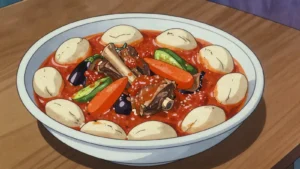
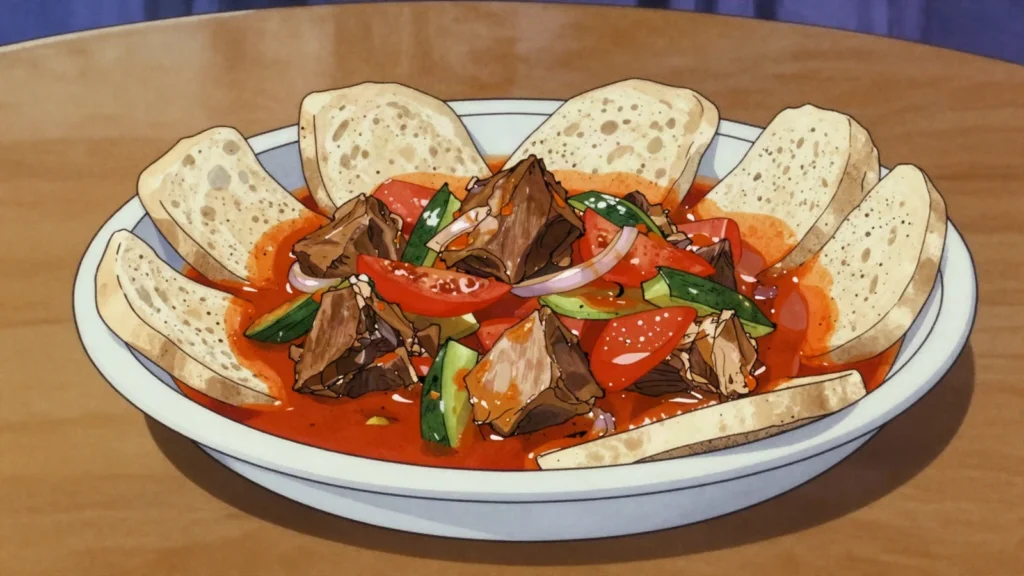
- Add the carrot pieces in first. Give them a good ten full minutes. Break the dried breads into rough pieces. Lay a layer in a wide deep dish. Ladle hot broth over all of them. Let them soften for a full minute. Add another layer of the bread.
- Ladle more hot broth over that. The bread should be soft right through. Add broth a ladle at a time to control it. Too much broth turns it to porridge. Lift the meat and vegetables out. Arrange them over the softened bread. Scatter chopped coriander over it. Serving it is done from one platter. Set it in the middle of the table. It keeps two days refrigerated.
Technique
- The bread is rolled nearly translucent, cooked briefly on a dry griddle and then dried completely, traditionally in the sun; dried gursan keeps for months, which was a genuine necessity in the central desert of Najd.
- Dishes of bread soaked in stew run across the Arab world under the general name tharid, with fatteh in the Levant, ftat in Libya and rfissa in Morocco; gursan is the Najdi version.
- The soaking is the whole skill: the bread must be soft right through but not swimming, so add broth a ladle at a time, since too much turns it to porridge and too little leaves hard dry patches.
Substitutions
- A low oven at 100C dries the breads in about an hour in place of the sun.
- Thin bought flatbread dried out in the oven stands in at a pinch.
Variations
- Some households add chickpeas to the stew.
- Chicken is used in place of lamb for a quicker version.
- Tharid, fatteh and rfissa work on the same principle elsewhere.
History
Najdi dish of paper-thin flatbreads dried in the sun then softened in broth, made to feed large gatherings.
Frequently asked questions
What is Gursan?
Gursan is a main from Saudi Arabia: thin dried bread layered under stewed meat and vegetables. Najdi dish of paper-thin flatbreads dried in the sun then softened in broth, made to feed large gatherings.
How long does Gursan take to make?
Gursan takes 1 hour plus drying of preparation and 1 hour 45 minutes of cooking. The recipe makes serves 8. It is rated hard to make.
What can I substitute in Gursan?
Yes, within limits. A low oven at 100C dries the breads in about an hour in place of the sun. Thin bought flatbread dried out in the oven stands in at a pinch.
What is the most important thing to get right in Gursan?
The soaking is the whole skill: the bread must be soft right through but not swimming, so add broth a ladle at a time, since too much turns it to porridge and too little leaves hard dry patches.