
Ingredients
Fish
- 800 ghaddock fillet, skinned and boned
- or 800 g cod or pollock
- 1onion, finely grated
- 2 teaspoonssalt
- 1 teaspoonwhite pepper
To bind
- 80 gplain flour
- or 60 g potato flour
- 2eggs
- 200 mlmilk, cold
To fry
- 80 gbutter
- a little oil
To serve
- boiled potatoes
- melted butter
- or a white sauce
- rye bread
- pickled beetroot
Directions
- Flour was imported and grain barely grew. The fish must be very fresh indeed. Warm fish goes pasty and loses its bind. Keep the fish in the refrigerator until the last moment.
- Use cold milk rather than room temperature. Chill the bowl if the kitchen is warm. Preparing the fish takes some care. Pull every one out with tweezers. Cut the fish into rough chunks. Put the chunks in a food processor.
- Add the grated onion, salt and pepper. Do not run it continuously at all. Add the eggs to the processor. Pulse it in until just combined. Add a little more flour if it is loose. Add a splash more milk if it is stiff.
- Fry a small spoonful in a little butter. Taste it for salt and for pepper. Check that it holds together properly. Adjust the mixture before shaping the rest. Never taste the raw fish mixture.
- Shape the mixture into balls or ovals. Aim for about the size of a golf ball. Set them out on a wet cold plate. Frying them needs the right heat. Melt the butter with a little oil in a pan. The oil stops the butter burning.
- Use a medium heat rather than high. Lay the balls in without crowding the pan. Fry them for about four minutes a side. Judging them takes a careful look. Cut one open to check the first batch. The inside should be white and cooked through. Spoon the hot butter over them as they fry.
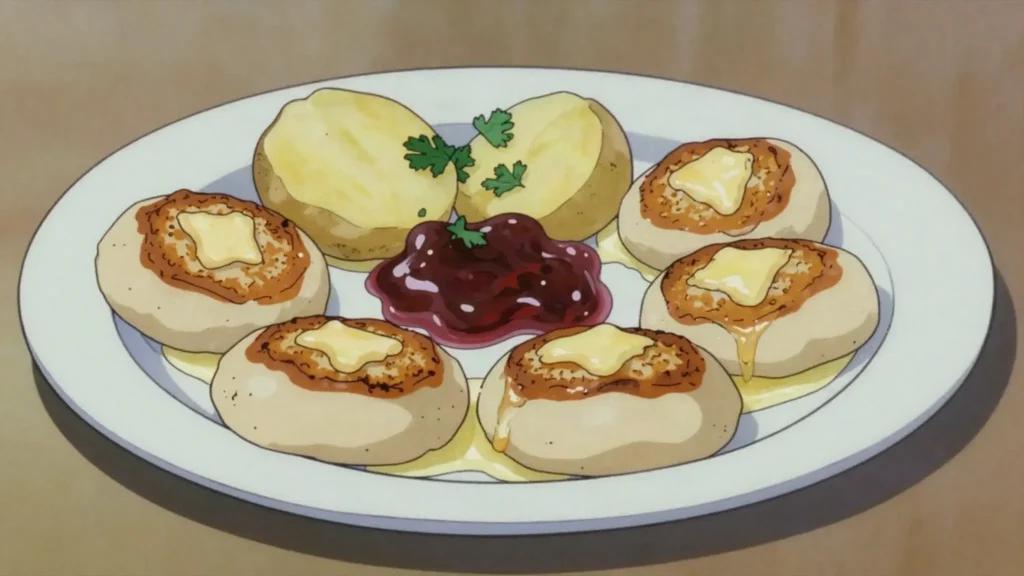
- Add more butter if the pan goes dry. Serving them is done piping hot. Serve boiled potatoes alongside. Pour melted butter over both of them. They keep three days refrigerated.
Technique
- Iceland has always had fish in quantity and far less of most other things, so fish balls stretch a modest catch with imported flour and milk into a family meal.
- Mincing rather than flaking the fish releases protein that binds the mixture and gives the springy texture characteristic of fish balls.
- Everything must be kept cold, since warm fish goes pasty and loses its bind.
Substitutions
- Cod or pollock stand in for haddock and behave the same way.
- Potato flour in place of plain flour gives a slightly springier ball.
Variations
- Some cooks flatten them into small patties rather than rolling balls.
- A version served in a white sauce is common.
- Tinned fish balls are sold across Iceland and are a household staple.
History
An Icelandic household dish from stretching a small catch with flour and onion.
Frequently asked questions
What is Fiskibollur?
Fiskibollur is a main from Iceland: fish balls of minced haddock fried in butter with potatoes. An Icelandic household dish from stretching a small catch with flour and onion.
How long does Fiskibollur take to make?
Fiskibollur takes 30 minutes of preparation and 20 minutes of cooking. The recipe makes about 20 balls. It is rated medium to make.
What can I substitute in Fiskibollur?
Yes, within limits. Cod or pollock stand in for haddock and behave the same way. Potato flour in place of plain flour gives a slightly springier ball.
What is the most important thing to get right in Fiskibollur?
Flour was imported and grain barely grew. The fish must be very fresh indeed. Warm fish goes pasty and loses its bind. Keep the fish in the refrigerator until the last moment.