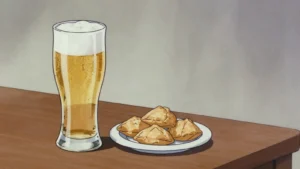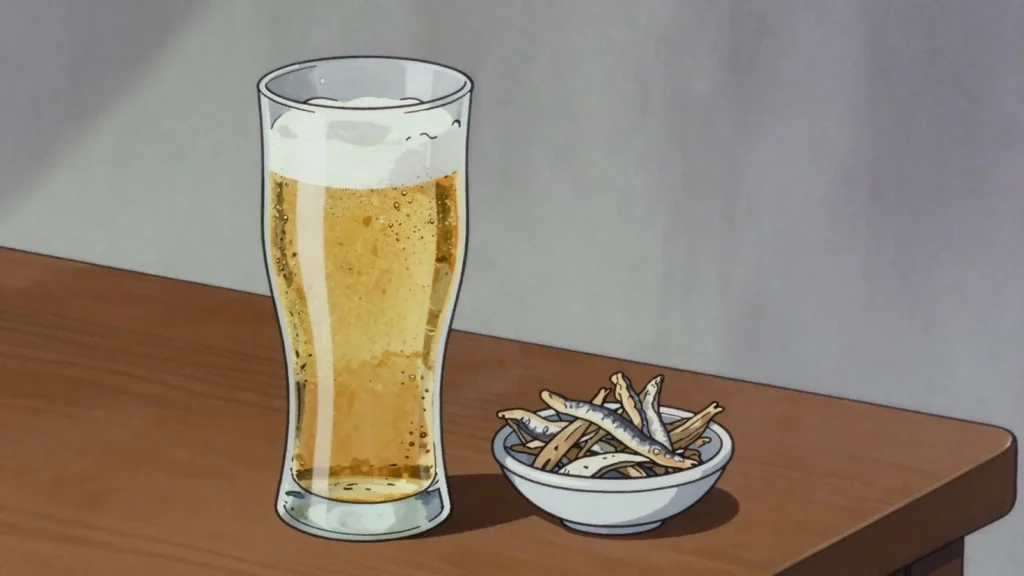

Pale lager and, increasingly, craft ales drunk in Reykjavík bars. Beer over 2.25 percent was banned in Iceland from 1915 until 1 March 1989 — a date still celebrated every year as Beer Day.
Brewing beer at home is licensed or restricted in much of the atlas’s readership, and this is a category of commercial products rather than a preparation.
What goes into it
- malted barley
- hops
- yeast
- Icelandic water
How it is made
Malt is mashed, the wort boiled with hops, cooled and fermented — cool with lager yeast for the mainstream brands, warm with ale yeast for the craft brewers — then conditioned and packaged. Icelandic brewers make much of their water, which needs no treatment at all.
How long it takes: two to five weeks depending on style
How it is eaten
Cold in a Reykjavík bar, and in quantity on Beer Day, 1 March.
History
Beer over 2.25 percent was banned in Iceland from 1915 until 1 March 1989, a date still celebrated each year as Beer Day.
Frequently asked questions
What is Icelandic beer?
Icelandic beer is a wine & spirit from Iceland: pale lager and craft ales drunk in Reykjavík bars. Beer over 2.25 percent was banned in Iceland from 1915 until 1 March 1989, a date still celebrated each year as Beer Day.
How is Icelandic beer made?
Malt is mashed, the wort boiled with hops, cooled and fermented — cool with lager yeast for the mainstream brands, warm with ale yeast for the craft brewers — then conditioned and packaged. Icelandic brewers make much of their water, which needs no treatment at all. It takes two to five weeks depending on style.
Can I make Icelandic beer at home?
No, and the atlas gives no method for it. Brewing beer at home is licensed or restricted in much of the atlas’s readership, and this is a category of commercial products rather than a preparation.
What goes into Icelandic beer?
Malted barley, hops, yeast, icelandic water.
How is Icelandic beer eaten?
Cold in a Reykjavík bar, and in quantity on Beer Day, 1 March.