
Ingredients
Raw material
- Molasses from Demerara sugar cane grown on the coastal clay of Guyana
- Water from the Demerara river basin
- Distillery yeast, and dunder from the previous distillation
Stills
- The Port Mourant double wooden pot still, greenheart wood, dating to the eighteenth century
- The Versailles single wooden pot still
- The Enmore wooden Coffey still, the last of its kind in the world
- Modern metal column stills, for the lighter marques
Ageing and serving
- Ex-bourbon American oak casks, aged in tropical warehouses at Diamond Estate
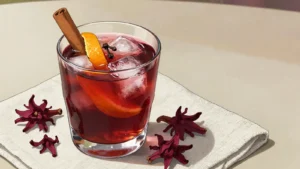
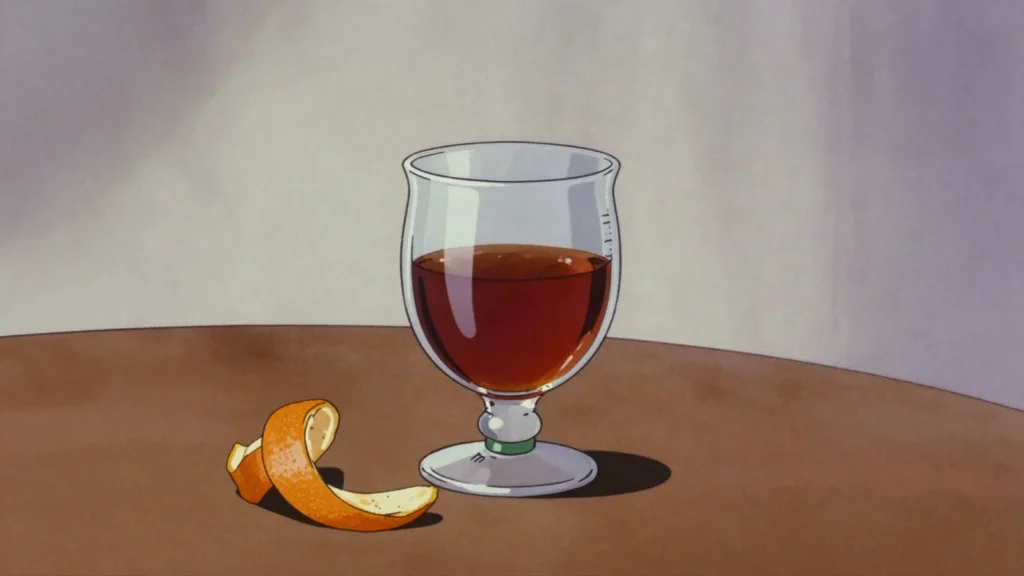
- 1heavy rocks glass or a tulip nosing glass
- 1large clear ice cube, if you take it on the rock
- A twist of orange peel, optional
Directions
- Cane is crushed and boiled down; the molasses left after the sugar crystallises is the raw material, diluted with water into a wash.
- The wash is fermented with distillery yeast and a portion of dunder, the acidic residue from the last still run, which builds the heavy, funky esters Demerara rum is known for. Fermentation runs from a day to well over a week depending on the marque.
- The wash is distilled in the historic wooden stills at Diamond Estate. These are the last working wooden stills on earth, and the greenheart timber itself is part of the flavour: the wood holds and feeds back esters no metal still can reproduce.
- Each still produces a distinct marque, from the smoky, pungent Port Mourant to the lighter column spirit, and these are the building blocks of every blend.
- The new spirit fills ex-bourbon American oak casks and is laid down in warehouses in tropical heat, where it interacts with the wood several times faster than rum aged in Europe.
- Around 6 to 7 per cent of each cask evaporates every year as the angels’ share, so a genuine 15-year-old tropical rum has lost well over half its volume, concentrating what remains.
- The blender marries the different aged marques by hand, ages the blend further, then reduces it to bottling strength, usually 40 or 43 per cent, with a little added sugar in some expressions.
- To serve, pour 50 ml into a rocks or tulip glass and drink it neat at room temperature, which is how it is drunk in Georgetown.
- If you prefer it cold, use one large clear cube rather than several small ones so it dilutes slowly, and give it a minute before the first sip.
- Add a twist of orange peel or a splash of coconut water if you want it long; do not drown a 15 or 21 year old in cola.
Technique
- Demerara rum is a place, not a style of sugar. It comes from Guyana, and El Dorado is made by Demerara Distillers Limited, which consolidated the stills of the country’s closed estates into one plant at Diamond.
- Tropical ageing is not the same as continental ageing. Because of the heat and the huge angels’ share, a 12-year-old Guyanese rum has done far more work in the cask than a 12-year-old Scotch has.
- Some El Dorado expressions carry added sugar, in the region of 20 grams per litre for the 12 and 15. It is legal and traditional, but it is why the rums taste noticeably sweeter than dry Jamaican or agricole styles.
- Nose it in a tulip glass before adding anything. The burnt sugar, dried fruit and pipe tobacco character comes straight off the wooden stills and is easy to lose under ice.
Substitutions
- Cannot find El Dorado: another Demerara bottling such as Hamilton or the independent Velier Demerara series shows the same wooden still character, usually at higher strength.
- For cocktails, use the 3-year-old or the 8-year-old rather than the 15; the older bottlings are for sipping and are wasted in a mix.
Variations
- El Dorado 12, 15, 21 and 25 year old, each a blend of different aged marques.
- Single still bottlings, made from the Port Mourant, Versailles or Enmore stills alone.
- El Dorado 3 year old white, filtered clear and used in Guyanese rum punch with lime, syrup and grated nutmeg.
History
Distilled by Demerara Distillers at Diamond estate on the last wooden pot and Coffey stills in the world, salvaged from closed sugar plantations.
Frequently asked questions
What is El Dorado Rum?
El Dorado Rum is a wine & spirit from Guyana: dark Demerara rum, aged in the tropics and sipped neat. Distilled by Demerara Distillers at Diamond estate on the last wooden pot and Coffey stills in the world, salvaged from closed sugar plantations.
How long does El Dorado Rum take to make?
El Dorado Rum takes 5 min to serve of preparation and 12–25 years ageing of cooking. The recipe makes one 70 cl bottle, about 23 measures. It is rated easy to make.
What can I substitute in El Dorado Rum?
Yes, within limits. Cannot find El Dorado: another Demerara bottling such as Hamilton or the independent Velier Demerara series shows the same wooden still character, usually at higher strength. For cocktails, use the 3-year-old or the 8-year-old rather than the 15; the older bottlings are for sipping and are wasted in a mix.
What is the most important thing to get right in El Dorado Rum?
If you prefer it cold, use one large clear cube rather than several small ones so it dilutes slowly, and give it a minute before the first sip.