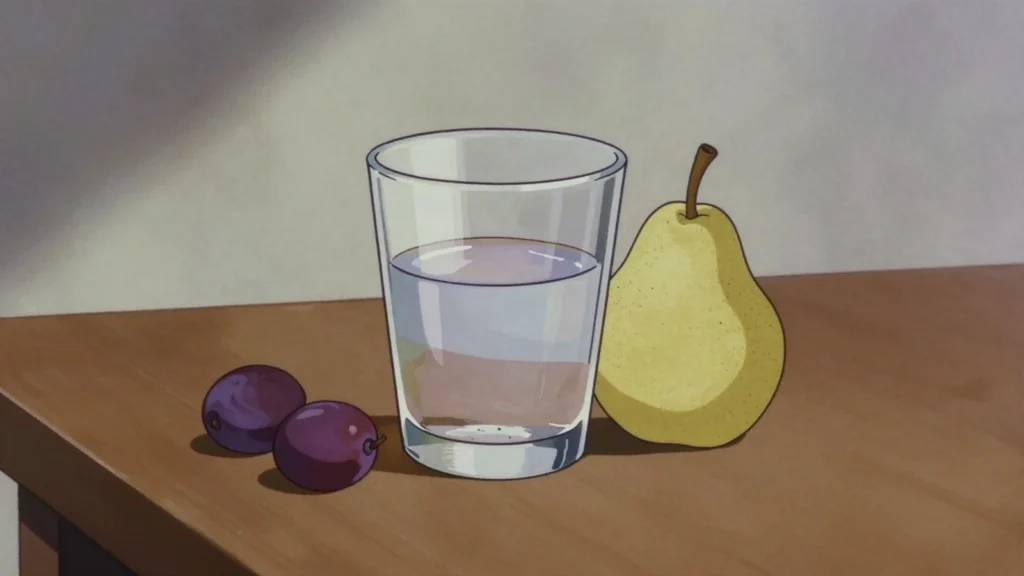

Home-distilled fruit brandy of plums, pears or juniper. Farm distilling is a licensed tradition in Slovenia, and brinjevec from juniper and plum slivovka are the best-known types.
Distilling requires a licence even in Slovenia, where farm stills are registered and taxed, and the cut that removes methanol is the step that goes wrong when it is learned by trial.
What goes into it
- plums, pears, apples or juniper berries
- nothing else
How it is made
Fruit is crushed and fermented on its own sugars for three to five weeks, then distilled — usually twice — in a copper pot still. The distiller discards the volatile head and the weak tail and keeps only the middle, and the spirit rests in glass or wood for months before drinking.
How long it takes: weeks to ferment, then months resting
How it is eaten
In a small glass before or after a meal, and offered to arriving guests.
History
Farm distilling is a licensed tradition in Slovenia; brinjevec, made from juniper berries, and plum slivovka are the best-known types.
Frequently asked questions
What is Žganje?
Žganje is a wine & spirit from Slovenia: home-distilled fruit brandy of plums, pears or juniper. Farm distilling is a licensed tradition in Slovenia; brinjevec, made from juniper berries, and plum slivovka are the best-known types.
How is Žganje made?
Fruit is crushed and fermented on its own sugars for three to five weeks, then distilled — usually twice — in a copper pot still. The distiller discards the volatile head and the weak tail and keeps only the middle, and the spirit rests in glass or wood for months before drinking. It takes weeks to ferment, then months resting.
Can I make Žganje at home?
No, and the atlas gives no method for it. Distilling requires a licence even in Slovenia, where farm stills are registered and taxed, and the cut that removes methanol is the step that goes wrong when it is learned by trial.
What goes into Žganje?
Plums, pears, apples or juniper berries, nothing else.
How is Žganje eaten?
In a small glass before or after a meal, and offered to arriving guests.