
Ingredients
The coconut
- 400 gfresh grated coconut
- about 2 coconuts
- or 350 g unsweetened desiccated coconut
- soaked in 200 ml warm coconut milk
The syrup
- 400 gsugar
- 200 mlwater
- or coconut water
- a strip of lemon peel
- optional
- a squeeze of lemon juice
Sometimes added
- a pinch of salt
- half a teaspoon vanilla
- or a cinnamon stick
- or a few cloves
- 2 tablespoonsbutter
- for a softer sweet
- a little grated lime zest
To finish
- a lightly oiled tray
- or a marble slab
- extra sugar, to dust, optional
Directions
- Drain the water into a glass. Hold the coconut in one hand over a bowl. Turn it as you tap. Keep tapping until it splits in two. Never hold a coconut in your palm and swing a machete at it. Peel off the thin brown skin if you want a white sweet.
- Leave it on for a flecked look. Grate the flesh on a box grater or in a processor. Use unsweetened desiccated coconut only. Soak it in warm coconut milk for twenty minutes. It will never be quite the same as fresh. Keep children well away from the pan. Have cold running water available.
- Put the sugar and water in a heavy pan. Stir until the sugar dissolves. Now stop stirring. Add a squeeze of lemon juice to help prevent that. Boil it until it thickens slightly. That takes about five minutes.
- Drop a little on a cold plate. Push it with a spoon and it should form a thread. Stir the grated coconut into the syrup. Add the salt and any flavourings.
- Cook it over a medium heat, stirring constantly. So keep the spoon moving the whole time. Tip it onto a lightly oiled tray. Spread it out to about two centimetres thick. Press it level with an oiled spoon. The mixture is scaldingly hot at this point. Use an oiled spatula or spoon.
- Let it cool for ten minutes before touching it. Mark it into squares or diamonds while still warm. Use an oiled knife. Let it cool completely before separating the pieces. Cutting it cold cracks it.
- Warm is the right moment. Oil your hands and roll them while warm. Roll them in extra sugar if you like. Some versions are cooked longer and go golden brown. Serve it at room temperature. It keeps two weeks in an airtight tin. Keep the pieces separated with greaseproof paper. Do not refrigerate it, which makes it grainy.
Technique
- Stir constantly once the coconut goes into the syrup, scraping the base and corners. Coconut and sugar catch easily and a caught pan tastes burnt throughout with no way to rescue it.
- The doneness test: drag the spoon across the pan base and the mixture should part and stay parted for a moment, showing the base. Overcooked doce turns hard and dry and undercooked doce never sets.
- Boiling sugar syrup is far hotter than boiling water, sticks to skin and keeps burning. Never touch or taste it hot, keep children away, and if it touches skin run cold water over it for twenty minutes.
- Stop stirring once the sugar has dissolved and before the syrup boils. Stirring a boiling syrup crystallises it and makes the sweet grainy; a squeeze of lemon juice inverts some of the sugar and discourages crystals.
- Never hold a coconut in your palm and swing a blade at it — that is how serious hand injuries happen. Tap around its equator with the back of a heavy knife, turning as you go, or wrap it in a cloth and strike it on a hard surface. Fifteen minutes in a hot oven also cracks it.
- Drain the coconut water first by piercing the one soft eye of the three. It is good to drink and good in the syrup.
- Use unsweetened desiccated coconut if you cannot get fresh, soaked in warm coconut milk for twenty minutes. Sweetened coconut throws the sugar balance out entirely, and desiccated will never quite match fresh.
- Mark and cut it while still warm, using an oiled knife, and separate the pieces once cold. Cutting it hot smears it and cutting it cold cracks it.
- Do not smooth the hot mixture with your hands. Use an oiled spatula and let it cool ten minutes first.
- Do not refrigerate the finished sweet. It goes grainy; an airtight tin at room temperature keeps it two weeks.
- Coconut sweets are made across the tropics — cocada in Brazil, barfi in India, sugar cakes in the Caribbean. The atlas records the family and claims no single origin for an idea this simple.
Substitutions
- Unsweetened desiccated coconut, soaked in warm coconut milk, replaces fresh at some cost in flavour.
- Coconut water replaces plain water in the syrup and deepens the flavour.
- Brown sugar or molasses replaces white sugar for a darker, richer sweet.
- Condensed milk replaces some of the sugar and water for a softer, creamier version.
- Cinnamon, cloves, vanilla or lime zest all appear; plain is equally normal.
- A spoonful of butter gives a softer, less brittle set.
Variations
- Cocada in Brazil is the same sweet, made white or cooked dark.
- Beijinho is the Brazilian condensed-milk coconut truffle.
- Doce de papaia is the Cape Verdean green papaya sweet made by the same syrup method.
- Coconut barfi in India sets the same mixture with milk solids.
- Sugar cakes and coconut drops in the Caribbean are the same family under other names.
- A version cooked long enough to caramelise deeply is made in some households.
History
A sweet of the Lusophone coast, sold by the piece at markets and made at home for celebrations.
Frequently asked questions
What is Doce de coco?
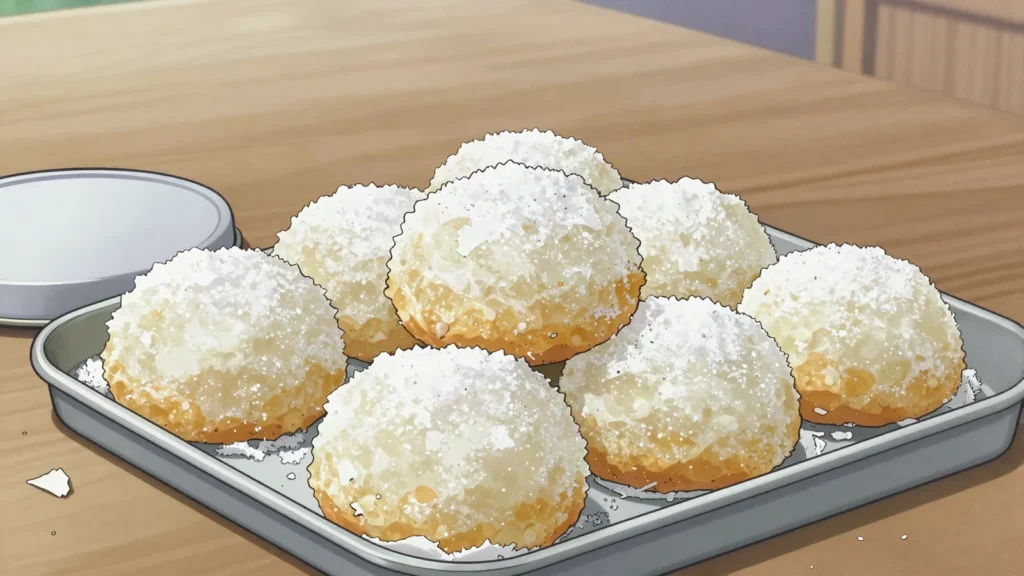
Doce de coco is a dessert from Cape Verde: grated coconut candy cooked with sugar. A sweet of the Lusophone coast, sold by the piece at markets and made at home for celebrations.
How long does Doce de coco take to make?
Doce de coco takes 20 minutes of preparation and 40 minutes of cooking. The recipe makes makes about 30 pieces. It is rated medium to make.
What can I substitute in Doce de coco?
Yes, within limits. Unsweetened desiccated coconut, soaked in warm coconut milk, replaces fresh at some cost in flavour. Coconut water replaces plain water in the syrup and deepens the flavour. Brown sugar or molasses replaces white sugar for a darker, richer sweet. Condensed milk replaces some of the sugar and water for a softer, creamier version. Cinnamon, cloves, vanilla or lime zest all appear; plain is equally normal. A spoonful of butter gives a softer, less brittle set.
What is the most important thing to get right in Doce de coco?
Drain the water into a glass. Hold the coconut in one hand over a bowl. Turn it as you tap. Keep tapping until it splits in two. Never hold a coconut in your palm and swing a machete at it. Peel off the thin brown skin if you want a white sweet.