
Ingredients
Flour
- 400 gbarley
- 200 gdried chickpeas
- 2 tbspfennel seeds
- 1 tbspcoriander seeds
- 1 tspaniseed
- ½ tspsalt
To serve
- olive oil
- water or warm milk
- honey or sugar
- dates
Directions
- Roast the barley in a dry heavy pan over a medium heat, shaking it almost constantly, for 10 to 15 minutes until it is deep brown throughout and smells of toast rather than of raw grain.
- Roast the chickpeas in a separate batch for about 20 minutes, until they darken and begin to crack.
- Toast the fennel, coriander and aniseed together for no more than 2 minutes. These three seeds are exactly what distinguishes the Tunisian bsissa from the Libyan bsisa, which uses fenugreek instead, and burning them loses the distinction.
- Cool everything completely before grinding, because warm grain gums up a mill and turns oily rather than powdery.
- Grind it all together with the salt to a fine flour, then sieve it and regrind the coarse remainder.
- Store it airtight in a cool dark cupboard. It keeps for months with no refrigeration at all, which is why it crossed deserts strapped to a saddle.
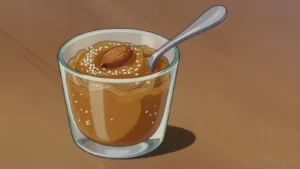
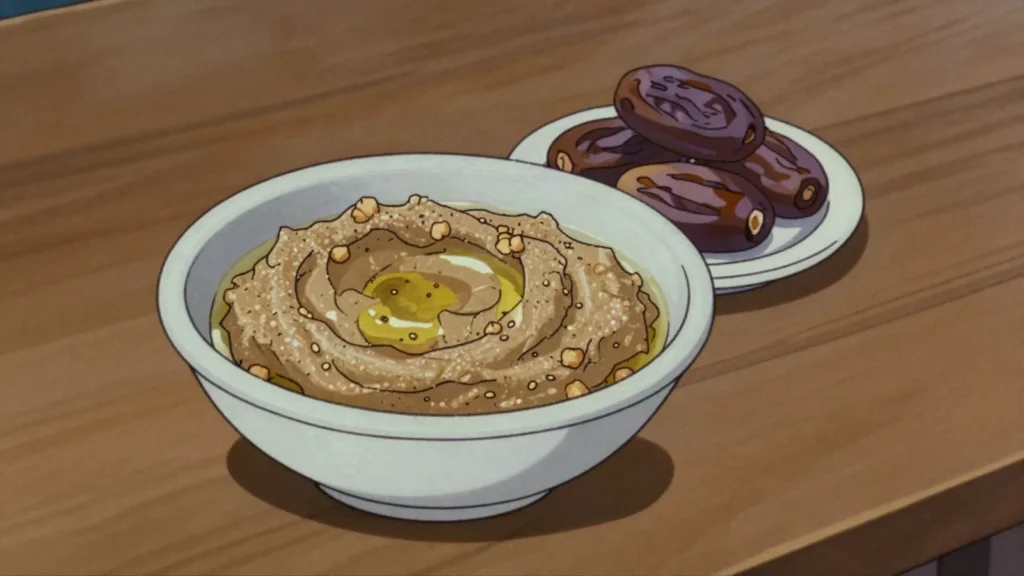
- To eat it as a paste, work 4 tbsp of the flour together with 2 tbsp olive oil and a little water until it comes together, then sweeten with honey or chopped dates.
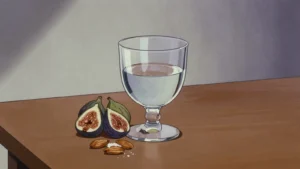
- To drink it, whisk 3 tbsp into a glass of cold water or warm milk with a spoonful of sugar and let it stand for 2 minutes to thicken before drinking.
- Serve at breakfast, or to break a fast, with dates on the side.
Technique
- Grind it as fine as you can. A coarse bsissa sits gritty on the tongue and refuses to take up the oil properly.
- It is one of the oldest travellers’ foods in North Africa: dry-stored, complete on its own, and needing nothing but liquid to become a meal.
- The proportions of barley to chickpea vary by household. More chickpea makes it richer and more filling.
Substitutions
- Wheat in place of some of the barley, which is less traditional but common now.
- Warm milk instead of water for a richer drink.
Variations
- With almonds and pine nuts ground in for a festive mix.
- Thinned with milk and given to small children.
- Stirred into yoghurt as a modern breakfast.
History
An ancient travellers’ food of North Africa, dry-stored and mixed with olive oil or water when needed.
Frequently asked questions
What is Bsissa?
Bsissa is a breakfast from Tunisia: roasted barley and chickpea flour with fennel and coriander, mixed with oil. An ancient travellers’ food of North Africa, dry-stored and mixed with olive oil or water when needed.
How long does Bsissa take to make?
Bsissa takes 20 min of preparation and 40 min of cooking. The recipe makes 1 jar, about 600 g. It is rated easy to make.
What can I substitute in Bsissa?
Yes, within limits. Wheat in place of some of the barley, which is less traditional but common now. Warm milk instead of water for a richer drink.
What is the most important thing to get right in Bsissa?
Roast the barley in a dry heavy pan over a medium heat, shaking it almost constantly, for 10 to 15 minutes until it is deep brown throughout and smells of toast rather than of raw grain.