
Ingredients
How boukha is made
- Ripe dried figs (traditionally the Tunisian Bither variety), 100% fig, no added grain or sugar
- Water, for the mash
- Wild or cultured yeast, for a 10–14 day fermentation
- Double distillation in copper pot stills to about 36–40% abv
- No barrel ageing – boukha is rested in glass or steel and bottled clear
To serve
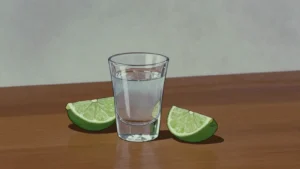
- 60 mlboukha, kept in the freezer
- Chilled tulip or small stemmed glass
- Optional: ice cubes, a strip of orange peel
- Optional mixer: 120 ml chilled tonic or orange juice
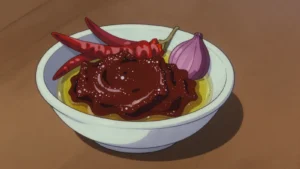
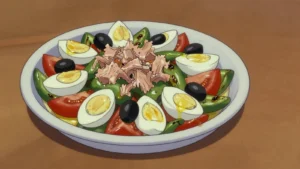
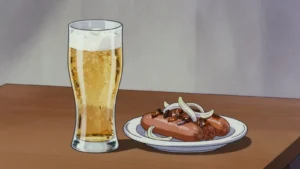
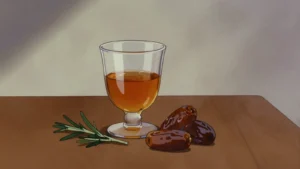
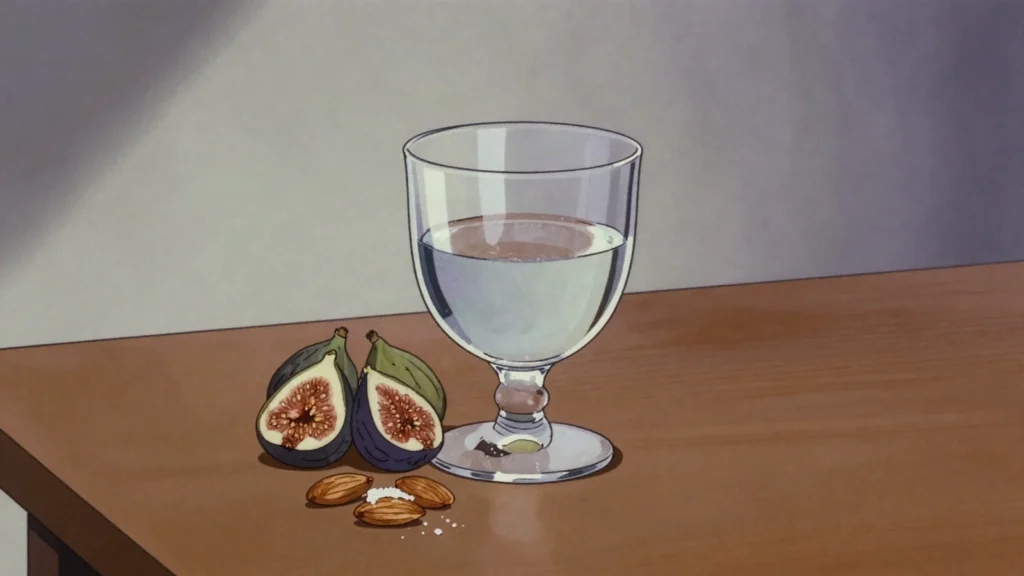
- Kemia to accompany: salted almonds, olives, boiled eggs with harissa, tuna
Directions
- Know what you are drinking: boukha is a fig eau-de-vie of Tunisian Jewish origin, first commercialised by Abraham Bokobsa in 1880 near Tunis and still made by the same family. This is a bought spirit – home distilling is illegal in most countries and unsafe without proper equipment.
- In production, dried figs are steeped in warm water until the sugars dissolve into a sweet mash.
- The mash is fermented for around two weeks until the sugar is converted and the liquid smells winey and slightly sour.
- It is then distilled twice in a copper pot still, the distiller cutting away the volatile heads and the heavy tails and keeping only the clean central heart.
- The heart is reduced with water to bottling strength, around 36–40% abv, and rested. Because it never touches wood, boukha stays water-clear and tastes of dried fig rather than oak.
- To serve, keep the bottle in the freezer – it will not solidify at this strength and it pours thick and cold.
- Pour 60 ml into a chilled tulip glass, neat and unadorned. Serve it before the meal, with kemia, the Tunisian spread of small salty dishes.
- Sip slowly at the start of a meal, or lengthen it over ice with tonic. It is also splashed over sliced oranges and fresh figs at the end of a meal.
Technique
- The name comes from the Arabic for vapour or steam, a straightforward reference to distillation.
- Boukha is not flavoured or sweetened. If a bottle tastes syrupy it is a fig liqueur, not boukha.
- It became a fixture of Tunisian Jewish celebration and is drunk at Purim and at family gatherings; the Bokobsa house moved production to France after 1962 but the style is unchanged.
Substitutions
- If you cannot find boukha, an unaged fruit eau-de-vie such as slivovitz, kirsch or a good grappa fills the same role, though none has the soft dried-fruit sweetness of fig.
- For a non-alcoholic stand-in at the same point in a meal, serve cold fig-leaf infusion with a squeeze of lemon.
Variations
- Boukha served long with tonic and orange peel, the standard summer aperitif in Tunis.
- Fresh figs macerated in boukha with sugar for a week, spooned over ice cream.
History
Distilled from ripe figs by Tunisia’s Jewish community; the Bokobsa family began commercial production near Tunis in 1880 and the brand continues in France.
Frequently asked questions
What is Boukha?
Boukha is a wine & spirit from Tunisia: clear fig brandy drunk chilled as an aperitif or over ice. Distilled from ripe figs by Tunisia’s Jewish community; the Bokobsa family began commercial production near Tunis in 1880 and the brand continues in France.
How long does Boukha take to make?
Boukha takes 5 min of preparation and n/a – commercially distilled of cooking. The recipe makes serves 8 as an aperitif (from a 700 ml bottle). It is rated easy to make.
What can I substitute in Boukha?
Yes, within limits. If you cannot find boukha, an unaged fruit eau-de-vie such as slivovitz, kirsch or a good grappa fills the same role, though none has the soft dried-fruit sweetness of fig. For a non-alcoholic stand-in at the same point in a meal, serve cold fig-leaf infusion with a squeeze of lemon.
What is the most important thing to get right in Boukha?
The heart is reduced with water to bottling strength, around 36–40% abv, and rested. Because it never touches wood, boukha stays water-clear and tastes of dried fig rather than oak.