
Ingredients
The sesame
- 400 gsesame seeds
- hulled or unhulled
- picked over for grit
The nuts
- 150 galmonds
- blanched or with skins
- 100 gwalnuts
- or pistachios, or hazelnuts
- or a mixture of all
The binding
- 250 mlhoney
- or to taste
- or 200 g sugar
- and a little water
- 100 mlolive oil
- or a mild nut oil
The flavouring
- 1 teaspoonground cinnamon
- half a teaspoon grated nutmeg
- a pinch of ground cloves
- optional
- a pinch of salt
- a little orange blossom water
To serve
- small glasses
- a long spoon each
- whole almonds, to decorate
- mint tea
Directions
- Pick through them for grit and stones. Use a wide dry heavy frying pan. Heat it over a medium heat. Add the seeds in a single layer. Work in batches if you have many. Do not walk away for a moment. Keep them moving the entire time. They turn a light golden brown. Tip them out of the pan immediately. Do not leave them in the hot pan. Spread them on a cold tray. Let them cool completely.
- Toast them separately from the sesame. They take a different length of time. Spread them on a baking tray. Roast at one hundred and seventy degrees. Roast almonds for about twelve minutes. Roast walnuts for about eight minutes.
- Shake the tray halfway through. They should smell strongly nutty. Let them cool completely before grinding. Warm nuts turn to oily paste too fast. Traditionally it is done in a mortar.
- Grind the sesame seeds first. For zrir you want a thick paste. Keep going until it flows slightly. That takes several minutes. Grind them to a coarse or fine powder. Some cooks keep them quite coarse. Keep a few whole nuts back for the top. Put the sesame paste in a large bowl.
- Add the ground nuts. Add the cinnamon, nutmeg and cloves. Add the pinch of salt. Salt sharpens the sweetness noticeably. Mix it all thoroughly together. Add it a little at a time. Mix it in fully after each addition. Taste as you go. Stop when the sweetness suits you.
- Heat destroys its aroma compounds. So add it cold and mix it cold. Add it gradually while mixing. Zrir should be thick but spoonable. Add more oil if it is too stiff. Add more ground sesame if too loose. Add it at the very end. Add only a little of it. Too much makes it taste of perfume. Start with half a teaspoon. Cover it and leave it for a few hours.
- Spoon it into each glass. Press a whole almond into the top. Serve a long spoon with each glass. Serve mint tea alongside it. It keeps two weeks refrigerated. Stir it back in before serving. It keeps longer in a cool cupboard. Discard it if it smells rancid.
Technique
- Zrir is made after childbirth and given to the woman who has given birth, and offered to visitors who come to see the baby. The atlas records that as the established tradition it is and makes no medical claim. What can honestly be said is that it is very high in fat, sugar and calories, needs no chewing and is easy to eat in small amounts — qualities that suit someone with little appetite. That is not a medical claim, and health questions after childbirth belong with a doctor.
- Honey must never be given to a child under one year old. It can contain botulinum spores that an adult gut handles without trouble but an infant gut cannot, causing infant botulism — rare and very serious. That warning matters specifically here, because zrir is made in a house with a new baby and it looks appealing. Never give it to a baby.
- Sesame is a declared allergen in many countries and tree nuts are major allergens, and this dish is almost entirely both. It is also offered as a matter of course to visitors you may not know well. Tell people what is in it.
- Sesame seeds burn in seconds, going from golden to black while you look away. Stir constantly, take them off when they smell strongly nutty, and tip them onto a cold tray — the pan’s residual heat keeps toasting them.
- Toast the nuts separately from the sesame, since they take different times, and walnuts burn considerably faster than almonds.
- Do not heat the honey. Heat destroys its aroma compounds and it ends up tasting simply like sugar, so mix everything cold.
- Go carefully with the orange blossom water. It is very strong and too much makes the whole thing taste of perfume — start with half a teaspoon.
- Let it rest a few hours, and preferably overnight. The flavours settle and the paste firms slightly.
- Watch for rancidity rather than spoilage. Ground nuts and seeds go rancid, and that is the main thing to smell for after it has been stored a while.
- Postpartum foods that are rich, warm, sweet and easy to eat exist in many cultures. Moroccan sellou is a close relative, also sesame and nuts, also given after childbirth and also eaten during Ramadan.
Substitutions
- Sugar dissolved in a little warm water replaces honey, and removes the infant botulism concern entirely.
- Almonds, walnuts, pistachios or hazelnuts all work, singly or mixed.
- Hulled sesame gives a paler milder paste; unhulled gives a darker, more bitter and more textured one.
- A mild nut oil replaces olive oil for a less assertive flavour.
- Orange blossom water can be left out entirely.
- Some households add a little semolina, toasted, which thickens the paste and is closer to Moroccan sellou.
Variations
- Sellou, or sfouf, in Morocco is the close relative, made with toasted flour alongside the sesame and nuts.
- A version with toasted semolina worked in is made in some Tunisian households and is firmer.
- Some cooks add dates, blended in, which sweetens it without added sugar.
- A version made with sugar rather than honey is common and keeps just as well.
- Assidat zgougou, the Aleppo pine nut cream, is the other great Tunisian celebratory sweet.
- Some households press zrir into a dish and cut it into squares rather than serving it in glasses.
History
Traditionally prepared for women after childbirth as a restorative, and offered to visitors who come to see the baby.
Frequently asked questions
What is Zrir?
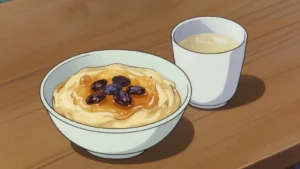
Zrir is a dessert from Tunisia: sesame, honey and nut paste eaten by the spoonful from a glass. Traditionally prepared for women after childbirth as a restorative, and offered to visitors who come to see the baby.
How long does Zrir take to make?
Zrir takes 30 minutes of preparation and 20 minutes of cooking. The recipe makes makes about 8 glasses. It is rated medium to make.
What can I substitute in Zrir?
Yes, within limits. Sugar dissolved in a little warm water replaces honey, and removes the infant botulism concern entirely. Almonds, walnuts, pistachios or hazelnuts all work, singly or mixed. Hulled sesame gives a paler milder paste; unhulled gives a darker, more bitter and more textured one. A mild nut oil replaces olive oil for a less assertive flavour. Orange blossom water can be left out entirely. Some households add a little semolina, toasted, which thickens the paste and is closer to Moroccan sellou.
What is the most important thing to get right in Zrir?
Pick through them for grit and stones. Use a wide dry heavy frying pan. Heat it over a medium heat. Add the seeds in a single layer. Work in batches if you have many. Do not walk away for a moment. Keep them moving the entire time. They turn a light golden brown. Tip them out of the pan immediately. Do not leave them in the hot pan. Spread them on a cold tray. Let them cool completely.