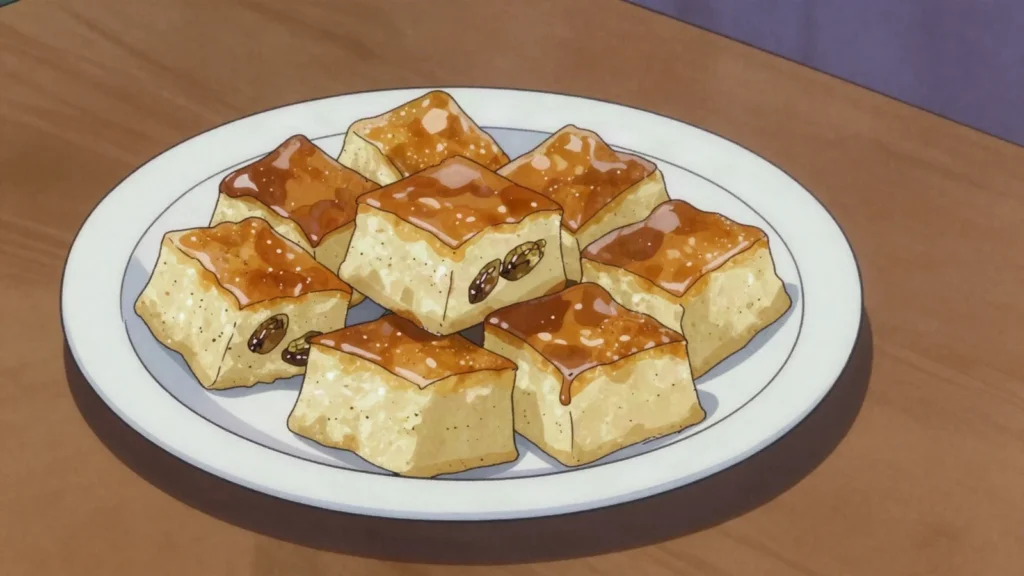

Ingredients
Base
- 1 kgcassava, peeled and finely grated
- 400 gfresh grated coconut, or 250 g desiccated soaked in coconut milk
Also
- 300 gsugar
- 200 gbutter, melted
- 4eggs
- 300 mlcoconut milk
- 100 graisins
- 4 tbsprum
- 1 tspground cinnamon
- 1 tspgrated nutmeg
- 1 tspvanilla
- a pinch of salt
To finish
- a little butter for the tin
- icing sugar, optional
To serve
- in squares, at a birthday or a celebration
Directions
- Peel it thickly, removing the whole pinkish layer under the brown skin, since that layer holds most of the compounds. Cut out the woody central core, which is fibrous and inedible. Never eat cassava raw, and never taste the raw batter of this cake. Grate the peeled cassava finely on the fine side of a box grater, or blend it briefly.
- Grate it finely rather than coarsely, since coarse shreds give a stringy cake. It produces a wet, sticky, slightly slimy mass, which is correct. Squeeze the grated cassava lightly in a cloth to remove some of the liquid.
- Remove some of the water but not all, since the natural stickiness binds the cake. A completely dry mixture gives a crumbly cake that falls apart. Let the squeezed liquid stand and a layer of white starch settles at the bottom. Pour off the water and scrape that starch back into the mixture, which improves the texture.
- Discard the water rather than using it, since it carries the cyanogenic compounds. If using desiccated, soak it in warm coconut milk for twenty minutes first. Soak the raisins in the rum for at least an hour, and longer if you can. Beat the eggs with the sugar, then add the melted butter, coconut milk, spices and vanilla.
- Fold in the grated cassava, coconut and the soaked raisins with their rum. Mix it thoroughly, since the cassava clumps and needs breaking up. The batter will be thick, wet and heavy, which is correct. Butter and line a deep tin thoroughly, since the sugar and cassava stick badly. Spread the batter and level the top. Bake at 160 to 170°C, which is lower than most cakes.
- Bake it low and slow, since the cake is dense and wet and the outside sets long before the middle cooks. It takes an hour and a quarter or more. Cover the top loosely with foil once it has browned, usually after about forty minutes. Now judging when the cake is done.
- Let it cool completely in the tin before cutting. It is very fragile while warm and it firms up considerably as it cools. Cut it into small squares, since it is rich and dense. Dust with icing sugar if you like, though it is often served plain. It keeps four or five days covered and it freezes well.
Technique
- There is no wheat flour in it; the structure is cassava and coconut.
- Cassava must be peeled thickly and thoroughly cooked, and never tasted raw.
- Bake it low and slow, since it is dense and wet.
Substitutions
- Frozen grated cassava, which is sold ready-prepared.
- Desiccated coconut soaked in coconut milk.
Variations
- Made without rum, for a version for children.
- With more spice, which some households prefer.
- Baked in individual portions.
History
Dense Creole cake of grated cassava and coconut, baked for festive occasions.
Frequently asked questions
What is Bojo?
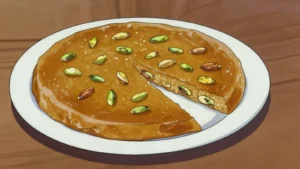
Bojo is a dessert from Suriname: moist cassava-coconut cake with rum and raisins. Dense Creole cake of grated cassava and coconut, baked for festive occasions.
How long does Bojo take to make?
Bojo takes 40 min of preparation and 1 hr 15 min of cooking. The recipe makes 12 servings. It is rated medium to make.
What can I substitute in Bojo?
Yes, within limits. Frozen grated cassava, which is sold ready-prepared. Desiccated coconut soaked in coconut milk.
What is the most important thing to get right in Bojo?
Peel it thickly, removing the whole pinkish layer under the brown skin, since that layer holds most of the compounds. Cut out the woody central core, which is fibrous and inedible. Never eat cassava raw, and never taste the raw batter of this cake. Grate the peeled cassava finely on the fine side of a box grater, or blend it briefly.