
Ingredients
The beans
- 500 gdried white beans
- haricot, cannellini or butter beans
- soaked overnight in cold water
- or 3 tins white beans, drained
- 2bay leaves
- cold water, to cover
The base
- 3large onions, finely chopped
- 6 clovesgarlic, sliced
- 100 mlolive oil
- or sunflower oil
- 2 tablespoonssweet paprika
- 1 teaspoonhot paprika
- or a pinch of chilli flakes
- 1 tablespoontomato purée
- 2ripe tomatoes, grated
The seasoning
- 1 tablespoondried mint
- or a small bunch fresh mint
- 1 teaspoondried oregano
- salt and black pepper
- a good handful chopped parsley
To serve
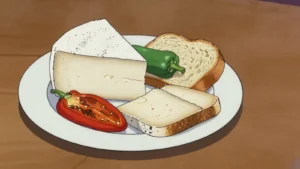
- crusty bread or cornbread
- raw onion, quartered
- pickled peppers, turshi
- white sheep’s cheese
- a bowl of yoghurt
Directions
- Soak dried beans and then discard the soaking water. Boil them hard for at least ten full minutes. They can hold beans warm without ever boiling them. Boil them on the hob first and then transfer them. That warning done, start by soaking the beans.
- Pick through them and remove any small stones. Rinse them well in a sieve under cold water. Put them in a large bowl and cover generously. They will double in size as they take up water.
- Soak them for at least eight hours or overnight. Soak them in the fridge in warm weather. Warm soaking water can ferment and turn sour. Drain the soaked beans and discard that water. Rinse them once more under running water. Put them in a large pot with fresh cold water.
- Cover them by about five centimetres of water. Add the bay leaves but no salt at this stage. Salt added early can toughen the bean skins. Bring the pot up to a full rolling boil.
- Boil it hard for ten minutes without covering it. Skim off any grey foam that rises to the surface. Simmer them until they are tender right through. That takes about an hour, sometimes rather longer. Drain the beans but keep the cooking water. Set it aside in a jug for the moment. Heat the oil over a medium flame until warm. Add the chopped onions with a pinch of salt.
- Cook them slowly for a good fifteen minutes. They should turn soft, sweet and pale golden. Add the sliced garlic in the last two minutes. Garlic burns quickly and turns bitter if it does. Add both paprikas to the warm oil off the heat.
- Stir it into the oil so it blooms and darkens. The oil should turn a deep red colour. Return the pan to a low heat straight away. Add the tomato purée and fry it for a minute. Add the grated fresh tomatoes to the pan. Cook it until the mixture thickens and darkens. That takes about five to eight minutes.
- Soak an unglazed clay dish in water beforehand. That stops it cracking in the oven heat. Tip the drained beans into the baking dish. Pour the onion and paprika mixture over them. Add enough reserved bean water to almost cover. The beans should be wet but not swimming. Add the dried mint and the oregano now. Season with salt and plenty of black pepper. Stir everything gently but thoroughly together.
- Bake it uncovered for about forty-five minutes. The top should colour and form a slight crust. Check it halfway through the baking time. Add a splash of bean water if it looks dry. The finished dish should be thick but not stiff.
- Scatter the chopped parsley over the top. Let it stand for ten minutes before serving. Earthenware stays scaldingly hot for a long time. Use proper oven gloves to carry it across. Serve it straight from the dish at the table. Leftovers keep for four days in the fridge. Add a splash of water before it goes back in.
Technique
- Undercooked dried beans contain phytohaemagglutinin, a lectin that causes severe vomiting and cramps. Discard the soaking water, boil hard for at least ten minutes, and never cook dried beans in a slow cooker that never reaches a boil. Tinned beans are already cooked and carry no such risk.
- The beans must be fully tender before the tomato goes in. Acid halts further softening, so a chalky bean at that point stays chalky no matter how long it bakes. This is the single most common way this dish goes wrong.
- Paprika scorches in seconds on a live flame and turns irreversibly acrid. Take the pan off the heat, stir it into the warm oil, then return it to a low flame.
- An unglazed clay tavë must be soaked in water before use and never put cold into a hot oven — thermal shock cracks it. A heavy casserole is a perfectly good substitute.
- Dried mint rather than fresh is the signature seasoning here, and it behaves quite differently. Fresh mint gives a brighter, thinner flavour that does not survive the baking as well.
- The dish contains no meat and no dairy, which is why it served as Lenten and fasting food. Cheese and yoghurt are added at the table by those who are not fasting.
Substitutions
- Tinned white beans replace dried ones entirely; use three tins, drained and rinsed, and skip straight to the base. Use water or vegetable stock in place of the reserved bean liquid.
- Haricot, cannellini and butter beans are all used. Butter beans give a softer, creamier result and cannellini hold their shape best.
- Sunflower oil replaces olive oil and is what many Kosovar households actually use.
- Fresh mint replaces dried, though the flavour is thinner; use about three times the volume and add it later.
- Tinned chopped tomatoes replace fresh grated ones out of season.
- A little smoked paprika in place of some of the sweet gives a deeper flavour, though it is not traditional.
Variations
- A version with cured meat, usually smoked ribs or sausage, is made outside fasting periods and is much richer.
- Fasule me lëng is the looser, soupier version cooked entirely on the hob rather than baked.
- Some households top the dish with sliced tomato and peppers before baking, which gives a browned, roasted top.
- Bulgarian bob chorba and Serbian prebranac are close regional relatives, the latter layered with a great deal of onion.
- Tavë me groshë e thata, made without any tomato at all, is an older and plainer version still cooked in some villages.
- A version finished with a beaten egg and yoghurt topping, baked until set, appears in some Albanian homes.
History
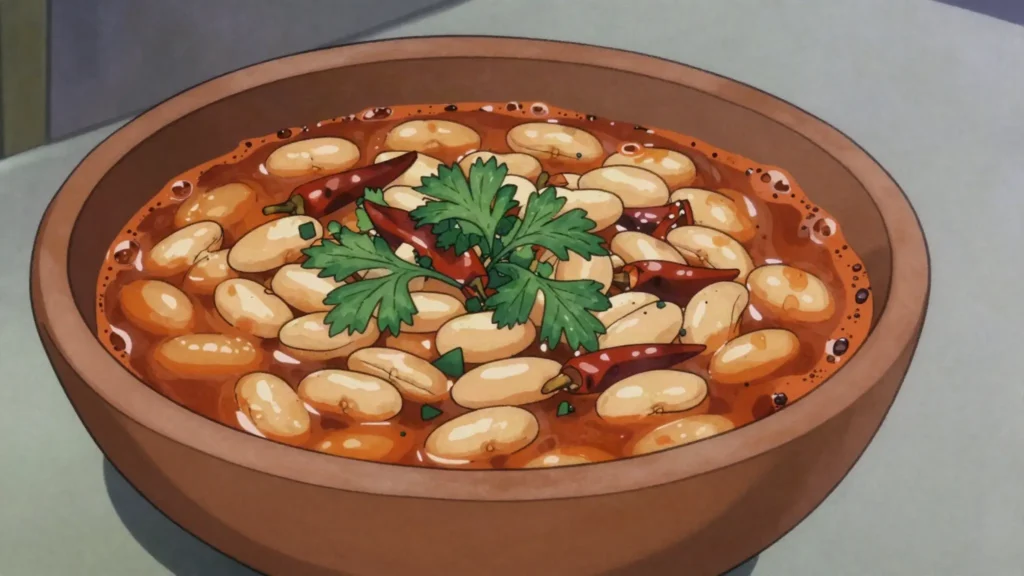
Beans baked in an earthenware tavë with paprika and onion, a Lenten and everyday dish across Kosovo.
Frequently asked questions
What is Tavë me groshë?
Tavë me groshë is a soup & stew from Kosovo: baked bean stew served bubbling in earthenware. Beans baked in an earthenware tavë with paprika and onion, a Lenten and everyday dish across Kosovo.
How long does Tavë me groshë take to make?
Tavë me groshë takes 20 minutes plus overnight soaking of preparation and 2 hours of cooking. The recipe makes serves 6. It is rated easy to make.
What can I substitute in Tavë me groshë?
Yes, within limits. Tinned white beans replace dried ones entirely; use three tins, drained and rinsed, and skip straight to the base. Use water or vegetable stock in place of the reserved bean liquid. Haricot, cannellini and butter beans are all used. Butter beans give a softer, creamier result and cannellini hold their shape best. Sunflower oil replaces olive oil and is what many Kosovar households actually use. Fresh mint replaces dried, though the flavour is thinner; use about three times the volume and add it later. Tinned chopped tomatoes replace fresh grated ones out of season. A little smoked paprika in place of some of the sweet gives a deeper flavour, though it is not traditional.
What is the most important thing to get right in Tavë me groshë?
Undercooked dried beans contain phytohaemagglutinin, a lectin that causes severe vomiting and cramps. Discard the soaking water, boil hard for at least ten minutes, and never cook dried beans in a slow cooker that never reaches a boil. Tinned beans are already cooked and carry no such risk.