
Ingredients
What the maestro mezcalero works with (palenque scale, for reference)
- 1tonne of mature agave espadin pinas, 7–9 years old, trimmed of their leaves with a coa
- About 1 tonne of firewood and a pit lined with volcanic rock
- Water from the local spring, for the ferment and for cutting to strength
- No yeast, no additives: the ferment is wild and the water is the only thing added
The serve
- 60 mlmezcal joven, 45–50 percent ABV
- 1orange, cut into thin wedges
- 2 tspsal de chile (toasted ground chile mixed with coarse salt)
Glassware
- 1copita de barro (small clay cup) or a jicara (gourd bowl), or a small tulip glass
- No ice, no mixer
Directions
- Understand what makes mezcal mezcal: the agave is cooked in an earth pit, and that is where the smoke comes from. Tequila, by contrast, is steamed in ovens, which is why it is not smoky.
- The pinas are harvested when the plant is mature and about to send up its flower stalk, after 7 to 15 years depending on the species; the quiote is cut off early so the sugar stays in the heart.
- A conical pit is lined with river or volcanic stones heated by a wood fire for hours until glowing. The pinas are piled in, covered with agave fibre, mats and earth, and roasted for 3 to 5 days until they are dark, soft and sweet like burnt caramel.
- The roasted hearts are crushed, traditionally under a tahona, a two-tonne stone wheel dragged in a circle by a horse or mule, until the fibres are shredded and the juice runs.
- Fibres and juice together go into open pine vats or animal-hide tubs and ferment on wild yeast for 4 to 10 days, depending on the weather. The mash bubbles, sours slightly and drops still when it is done.
- The wash is distilled twice in small copper alembics or, in Oaxacan villages such as Santa Catarina Minas, in clay pots that give a rounder, earthier spirit.
- The maestro cuts the heads and tails by eye and by the perlas, the ring of bubbles that forms when the spirit is splashed into a jicara: fine, persistent beads mean the strength is right, usually 45–50 percent.
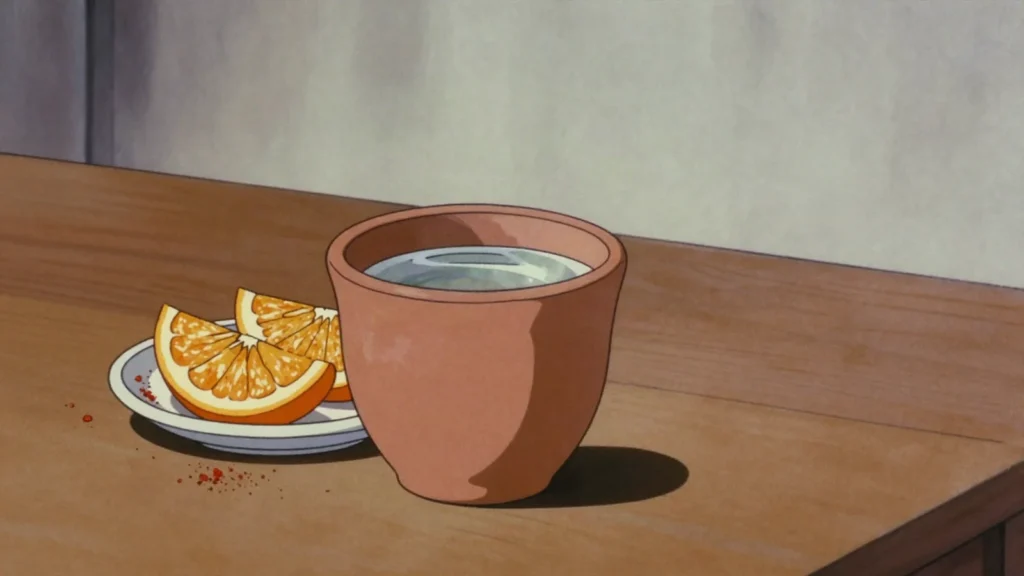
- To serve, pour 60 ml into a clay copita and let it sit a minute so the alcohol blows off. Never chill it, never shoot it.
- Sip a little, then take an orange wedge dipped in chile salt. The citrus and salt reset the palate between sips, which is why they are served alongside.
- Say the toast that goes with it: para todo mal, mezcal, y para todo bien, tambien.
Technique
- Mezcal is a category, not a single drink. Tequila is legally one kind of mezcal, made only from blue weber agave in a defined region; the mezcal denomination covers dozens of agave species, from cultivated espadin to wild tobala, tepeztate and madrecuixe, each with its own flavour and its own recovery time.
- Do not distil at home. Beyond the legality, small uncontrolled runs concentrate methanol dangerously without proper cuts and instruments.
- In Oaxaca the traditional accompaniment is sal de gusano, chile salt ground with toasted agave larvae, which is not vegetarian; plain sal de chile is the everyday alternative and is what is given above.
- Wild agaves take a decade or more to mature and cannot be replanted quickly, which is why single-species wild mezcals are expensive and why sustainability is a live issue in the villages that make them.
Substitutions
- No clay copita: a small tulip or a sherry copita concentrates the aroma better than a shot glass.
- No sal de chile: mix 2 tsp coarse salt with 1 tsp of ground chile de arbol and a pinch of ground cumin.
- If you want it long, a mezcal paloma with grapefruit soda, lime and salt is the standard Oaxacan warm-weather drink.
Variations
- Mezcal de pechuga, distilled a third time with fruit and spices hung in the still, is a festival spirit made for weddings and baptisms.
- Ensamble bottlings blend two or more agave species from the same harvest.
- Reposado and anejo are aged in oak, though many drinkers argue the wood hides what makes mezcal interesting.
History
Distilled across Oaxaca and neighbouring states from agave roasted in earth pits; Mexico granted mezcal a denomination of origin in 1994.
Frequently asked questions
What is Mezcal?
Mezcal is a wine & spirit from Mexico: smoky agave spirit sipped neat with orange and chili salt. Distilled across Oaxaca and neighbouring states from agave roasted in earth pits; Mexico granted mezcal a denomination of origin in 1994.
How long does Mezcal take to make?
Mezcal takes 5 min for the serve of preparation and 7–15 years growing the agave, then 3–5 weeks from harvest to bottle of cooking. The recipe makes explanation of production, plus 1 serve. It is rated easy to make.
What can I substitute in Mezcal?
Yes, within limits. No clay copita: a small tulip or a sherry copita concentrates the aroma better than a shot glass. No sal de chile: mix 2 tsp coarse salt with 1 tsp of ground chile de arbol and a pinch of ground cumin. If you want it long, a mezcal paloma with grapefruit soda, lime and salt is the standard Oaxacan warm-weather drink.
What is the most important thing to get right in Mezcal?
Understand what makes mezcal mezcal: the agave is cooked in an earth pit, and that is where the smoke comes from. Tequila, by contrast, is steamed in ovens, which is why it is not smoky.