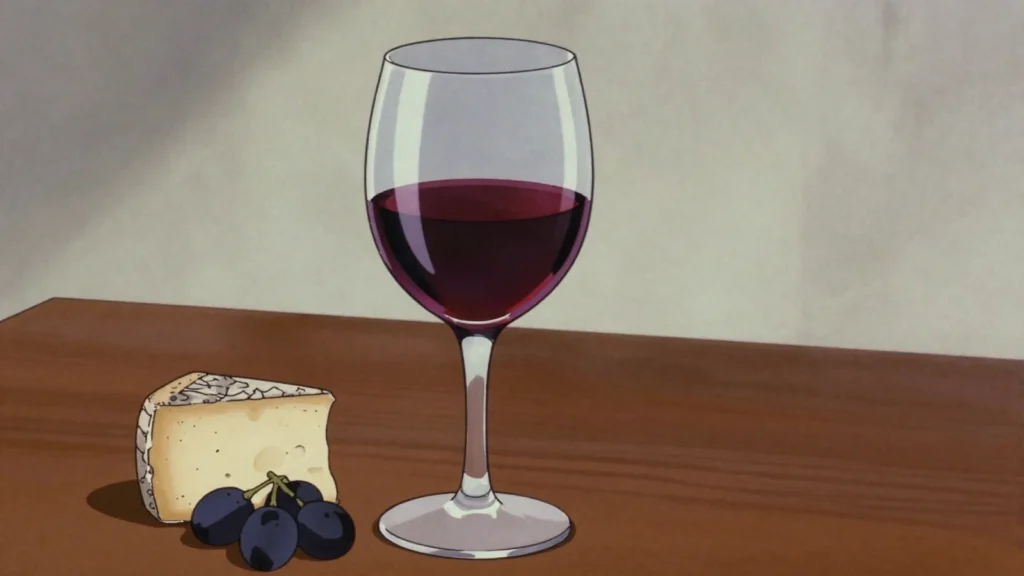

A powerful Piedmontese Nebbiolo aged for years, called the king of wines and the wine of kings. It was developed in the 1840s in the Langhe, credited to Camillo Benso di Cavour and the Marchesa Giulia Falletti working with the French oenologist Louis Oudart.
It is a DOCG made from one grape in eleven defined communes, with minimum ageing periods set by law and enforced in licensed cellars.
What goes into it
- Nebbiolo grapes only
- yeast
- large Slavonian oak botti, or French barriques
How it is made
Nebbiolo is picked late — it ripens after almost everything else in the Langhe — and fermented on its skins, historically for weeks, to extract its formidable tannin. The wine then ages in wood for a legal minimum of eighteen months and in total at least three years before release, and it often needs a decade more in bottle before the tannin softens.
How long it takes: 38 months minimum before release, five years for Riserva
How it is eaten
With brasato al Barolo, truffle dishes and aged cheese, decanted well ahead.
History
Developed in the 1840s in the Langhe, credited to Camillo Benso di Cavour and the Marchesa Giulia Falletti with the French oenologist Louis Oudart.
Frequently asked questions
What is Barolo?
Barolo is a wine & spirit from Italy: powerful Piedmontese Nebbiolo aged for years, the king of wines. Developed in the 1840s in the Langhe, credited to Camillo Benso di Cavour and the Marchesa Giulia Falletti with the French oenologist Louis Oudart.
How is Barolo made?
Nebbiolo is picked late — it ripens after almost everything else in the Langhe — and fermented on its skins, historically for weeks, to extract its formidable tannin. The wine then ages in wood for a legal minimum of eighteen months and in total at least three years before release, and it often needs a decade more in bottle before the tannin softens. It takes 38 months minimum before release, five years for Riserva.
Can I make Barolo at home?
No, and the atlas gives no method for it. It is a DOCG made from one grape in eleven defined communes, with minimum ageing periods set by law and enforced in licensed cellars.
What goes into Barolo?
Nebbiolo grapes only, yeast, large Slavonian oak botti, or French barriques.
How is Barolo eaten?
With brasato al Barolo, truffle dishes and aged cheese, decanted well ahead.