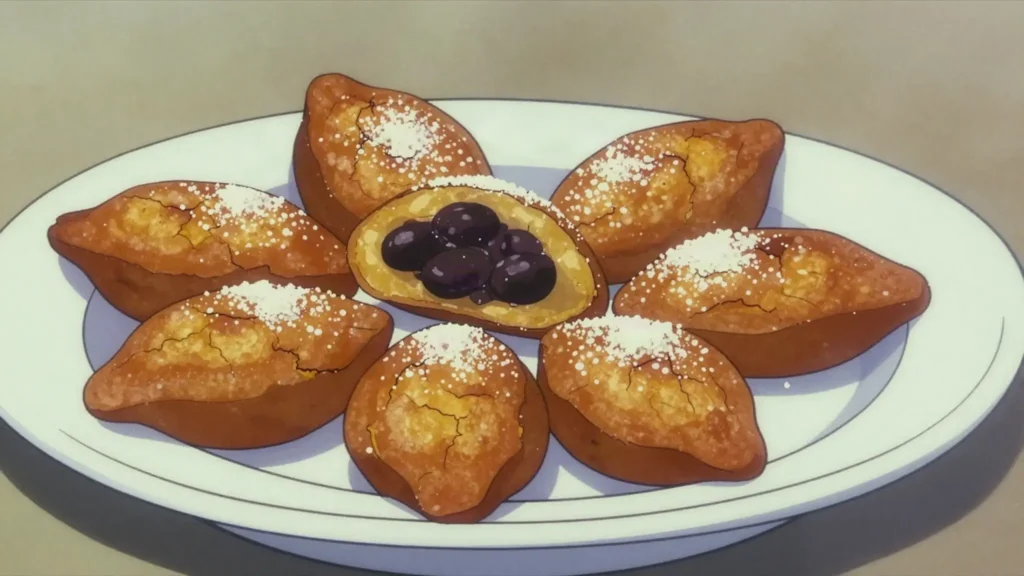

Ingredients
The plantains
- 6very ripe plantains
- skins nearly black
- a pinch of salt
- 1 stickcinnamon
- for boiling
The bean filling
- 400 gcooked black beans
- or 1 tin, drained
- 80 gsugar
- or panela, grated
- 1 teaspoonground cinnamon
- 2 tablespoonsoil or lard
- a pinch of salt
To fry
- oil, for deep frying
- a deep heavy pot
To serve
- caster sugar, to roll
- or cinnamon sugar
- sour cream, optional
Directions
- Discard any that smells fermented. Discard any with mould inside. Drain and rinse the black beans. Drain them thoroughly after rinsing. Mash the beans to a rough paste. Mash them fairly smooth for this. Heat the oil in a wide frying pan. Add all the mashed beans to it. A wet filling bursts the dumpling. Cook it until it holds together. Stir the sugar into the beans.
- Add the ground cinnamon and salt. It stops it tasting flat and cloying. Grate the panela before adding it. Cook the paste until genuinely thick. It should pull away from the pan. Let the bean paste cool completely. Hot filling softens the plantain dough.
- Cool it right down completely first. Roll the cold paste into small balls. Make them all about walnut sized. Set them all aside on a clean tray. Cut the ends off each plantain. Score the skin down its length. Peel the skin away in sections. Cut the plantains into short lengths. Cover them with water in a pot. Add a cinnamon stick and salt. Cooking them takes about twenty minutes.
- Boil them until entirely soft. They should mash with no resistance. Drain them thoroughly in a colander. Let all the water drain right off. Wet plantain gives a sticky dough. Let them steam dry for a few minutes. Mash the hot plantain to a smooth paste.
- Mash it while it is still hot. Cold plantain goes firm and lumpy. Work quickly through this whole stage. Mash it as smooth as you possibly can. Push it through a sieve if needed. Let the mashed plantain cool completely. Hot plantain cannot be handled at all. Add a spoonful of flour if too soft. Take a piece of plantain dough.
- Flatten it out in your wet palm. Understanding the wet hands are worth explaining. Flatten it out into a thick disc. About half a centimetre is right. Put a bean ball in the centre. Set it in the middle of the disc. Do not overfill any of them at all. Bring the dough up around the filling. Work it up and over with your fingers.
- Pinch the top of it firmly closed. Roll it gently into a smooth ball. Check it for any cracks or gaps. Smooth every crack with a wet finger. Check each one before it goes in. Shape them into ovals or balls.
- Keep every one of them the same size. Give them about thirty full minutes. Pour the oil into a deep heavy pot. Fill it no more than half full at all. Heat it to about one hundred and seventy degrees. A deep pot of hot oil is genuinely dangerous. Keep a lid nearby to smother a flare-up. Never put water on an oil fire at all.
- Keep children well away from the pot. Too hot and the outside burns first. Work in small batches instead. They also need room to turn over. Turn them over for even colour. Judging them takes a careful look. Lift them out at a deep golden. Lift them out onto a wire rack.
- Let all the excess oil drip away. That softens the crust within minutes. Roll them in caster sugar while warm. Sugar sticks to a warm surface. Roll them within a minute or two. Serving them is done while still warm. Serve them warm rather than hot. Give them a few minutes first. Warm them in an oven to revive them.
Technique
- The plantains must be genuinely very ripe with skins nearly black — yellow ones are not ripe enough and give a bland dumpling, since green plantain is starchy and savoury where ripe is sweet and soft. They ripen slowly at room temperature over a week or more from green, so buy them well ahead and do not refrigerate them while ripening. A black skin is exactly right; discard any whose flesh smells fermented or shows mould.
- Cook the bean paste until it pulls away from the pan and holds its shape, since a wet filling bursts the dumpling, then cool both filling and plantain dough completely — hot plantain cannot be handled and stays too soft to shape.
- A deep pot of hot oil is genuinely dangerous. Fill it no more than half full, never leave it unattended, lower the dumplings in gently, keep a lid nearby to smother a flare-up, never put water on an oil fire and keep children away. Cracks let filling escape and make the oil spit badly, so smooth every one with a wet finger first.
Substitutions
- Grated panela in place of white sugar gives a deeper molasses flavour and is more traditional.
- A spoonful of flour worked into the cooled plantain dough firms it up if it is too soft, which is a common practical fix.
Variations
- Fry at a moderate one hundred and seventy degrees, since ripe plantain is sugary and browns fast — both parts are already cooked, so five minutes is enough and the frying is only for crust and heat. Watch them near the end as they go from golden to dark quickly.
- Wet your hands to shape them and re-wet between every one, since plantain dough sticks badly to dry hands, and chill the shaped dumplings thirty minutes so they hold together in the oil.
- Sweetened black beans sound strange to many but are entirely normal in the region: the beans’ earthy depth with sugar and cinnamon tastes almost chocolatey, and sweet bean pastes appear across Asia in the same way. Plantains arrived through colonial trade routes that included the trade in people, and meet here the beans that are an ancient Maya staple.
History
Sweet plantain balls filled with mashed black beans, joining African-introduced plantains with the Maya staple bean.
Frequently asked questions
What is Rellenitos?
Rellenitos is a dessert from Guatemala: fried plantain dumplings filled with sweetened black beans. Sweet plantain balls filled with mashed black beans, joining African-introduced plantains with the Maya staple bean.
How long does Rellenitos take to make?
Rellenitos takes 1 hour of preparation and 40 minutes of cooking. The recipe makes about 16 dumplings. It is rated medium to make.
What can I substitute in Rellenitos?
Yes, within limits. Grated panela in place of white sugar gives a deeper molasses flavour and is more traditional. A spoonful of flour worked into the cooled plantain dough firms it up if it is too soft, which is a common practical fix.
What is the most important thing to get right in Rellenitos?
Flatten it out in your wet palm. Understanding the wet hands are worth explaining. Flatten it out into a thick disc. About half a centimetre is right. Put a bean ball in the centre. Set it in the middle of the disc. Do not overfill any of them at all. Bring the dough up around the filling. Work it up and over with your fingers.