
Ingredients
The dough
- 500 grice flour
- 200 gfresh grated coconut
- or 150 g desiccated
- moistened
- 150 gsugar
- or to taste
- about 300 ml coconut milk
- 1 teaspoonsalt
Sometimes added
- 100 gplain flour
- for binding
- 1 teaspoonvanilla
- grated zest of 1 lime
To fry
- oil, for deep frying
- a deep heavy pot
To serve
- warm from the fryer
- at a market stall
Directions
- Cover it with warm coconut milk. Let it soak for a good ten minutes. Crack the coconut and grate the flesh. Grate it finely rather than coarsely. Use the fine side of the grater. Mix the rice flour with the sugar and salt. Whisk the dry ingredients together. Take a moment over the whisking.
- Stir the grated coconut through the flour. Rub it through with your fingers. Add the coconut milk gradually. Add it a splash at a time only. Different brands take different amounts. Squeeze a handful in your fist. It should hold its shape entirely. Cover the dough and let it rest. Give it about twenty full minutes.
- Check the consistency again after. It may need a little more liquid. Add flour or milk to correct it. Roll the dough into small balls. Make them about golf ball sized. About a centimetre thick is right.
- Work gently as the dough is fragile. Smooth those cracks with a wet finger. Take a moment over each single one. Heating the oil takes real attention. Pour the oil into a deep heavy pot. Fill it no more than half full at all.
- Heat it to about one hundred and seventy degrees. A deep pot of hot oil is genuinely dangerous. Keep a lid nearby to smother a flare-up. Never put water on an oil fire at all. Keep children well away from the pot. Too hot and the outside burns first. Make sure the dough is not wet. Lower a few discs into the hot oil.
- Work in small batches instead. They also need room to turn over. Turn them once the underside is golden. Turn them gently with a slotted spoon. They are fragile until the crust forms. Break one open the very first time. The inside should be cooked through. Fry them for longer if there is. Lift them out onto a wire rack.
- Let all of the excess oil drip away. That softens the crust within minutes. Serve them warm from the fryer. They are eaten warm at market stalls. Fry them again briefly to revive them.
Technique
- Rice flour contains no gluten so there is nothing to knead or develop — the dough is bound by starch and moisture, is fragile rather than stretchy, and must be handled gently throughout. Add the coconut milk a splash at a time, since rice flour absorbs unpredictably and different brands take different amounts, and stop when a squeezed handful holds its shape without crumbling or sticking.
- A deep pot of hot oil is genuinely dangerous. Fill it no more than half full, never leave it unattended, lower each cake in gently, keep a lid nearby to smother a flare-up, never put water on an oil fire and keep children away. Wet dough spits violently in hot oil, so make sure it is not wet before it goes in.
- Fry at a moderate one hundred and seventy degrees for about three minutes a side: rice flour browns fairly quickly, and hotter oil burns the outside while the dense middle stays raw. Break one open the first time and check there is no raw pasty centre.
Substitutions
- Desiccated coconut soaked ten minutes in warm coconut milk stands in for fresh grated, which is moister and richer in oil.
- A little wheat flour helps it hold together in the oil and some cooks use it while others use rice flour alone; both are genuinely made, but rice flour alone is naturally gluten free and adding wheat ends that — say clearly which version you have made.
Variations
- Wet your hands to shape the discs and re-wet between each, since rice dough sticks to dry hands, and smooth any cracked edges with a wet finger — cracks open right up in the oil.
- Rest the dough twenty minutes so the rice flour absorbs the liquid fully and firms up, then check the consistency again and correct it with flour or milk before shaping.
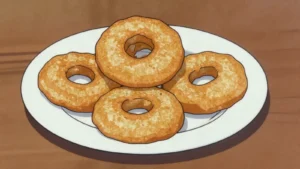
- The result is dense and genuinely chewy rather than light, which is what the dish is meant to be: rice starch sets firm as it cools and gives that elastic bite, with the coconut adding richness against it.
History
A speciality of Madagascar’s east coast where rice and coconut are both abundant, sold in market stalls.
Frequently asked questions
What is Ramanonaka?
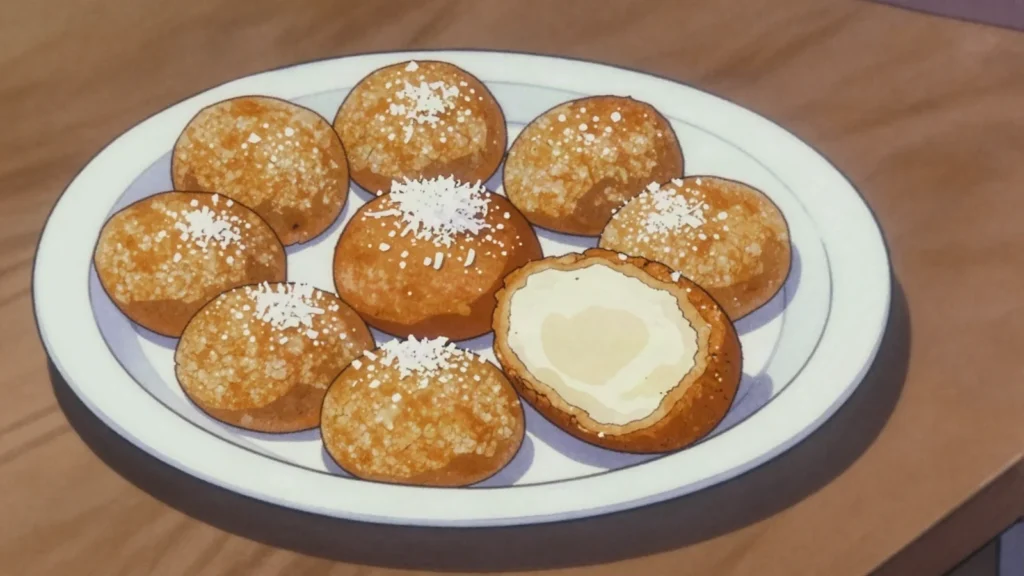
Ramanonaka is a street food from Madagascar: rice flour and coconut dough fried into a dense chewy cake. A speciality of Madagascar’s east coast where rice and coconut are both abundant, sold in market stalls.
How long does Ramanonaka take to make?
Ramanonaka takes 30 minutes plus resting of preparation and 30 minutes of cooking. The recipe makes about 20 cakes. It is rated medium to make.
What can I substitute in Ramanonaka?
Yes, within limits. Desiccated coconut soaked ten minutes in warm coconut milk stands in for fresh grated, which is moister and richer in oil. A little wheat flour helps it hold together in the oil and some cooks use it while others use rice flour alone; both are genuinely made, but rice flour alone is naturally gluten free and adding wheat ends that — say clearly which version you have made.
What is the most important thing to get right in Ramanonaka?
Cover it with warm coconut milk. Let it soak for a good ten minutes. Crack the coconut and grate the flesh. Grate it finely rather than coarsely. Use the fine side of the grater. Mix the rice flour with the sugar and salt. Whisk the dry ingredients together. Take a moment over the whisking.