
Ingredients
Greens
- 600 gmanagu leaves, African nightshade
- salt
Pot
- 2 tbspoil
- 1onion, chopped
- 2tomatoes, chopped
- 1 tspsalt
To finish
- 150 mlmilk, or 100 ml cream
- black pepper
To serve
- ugali
- grilled or fried meat
Directions
- Use the leaves and tender shoot tips only, and pick them off the tougher stems.
- Only the leaves are eaten. Do not eat the berries of nightshade plants, ripe or unripe, and this is worth being firm about with a plant in the Solanum family.
- Wash the leaves in several changes of water, because they are grown low and carry grit.
- Managu is deliberately bitter, and the bitterness is why Kenyans eat it rather than a defect to be scrubbed out.
- Blanch the leaves in boiling salted water for 5 minutes, then drain them.
- The blanch takes the hardest edge off the bitterness and softens the leaves, and it is a standard first step for indigenous greens.
- If you want it milder, discard that water and blanch again briefly in fresh water.
- Squeeze the blanched leaves gently and chop them roughly.
- Fry the onion in the oil until soft and golden, about 8 minutes.
- Add the tomatoes and cook until they break down into a thick pulp.
- Let the tomato collapse completely before the greens go in, so it coats them rather than sitting in watery pieces.
- Add the chopped greens and the salt and stir them through the tomato.
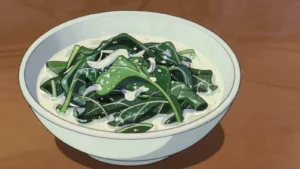
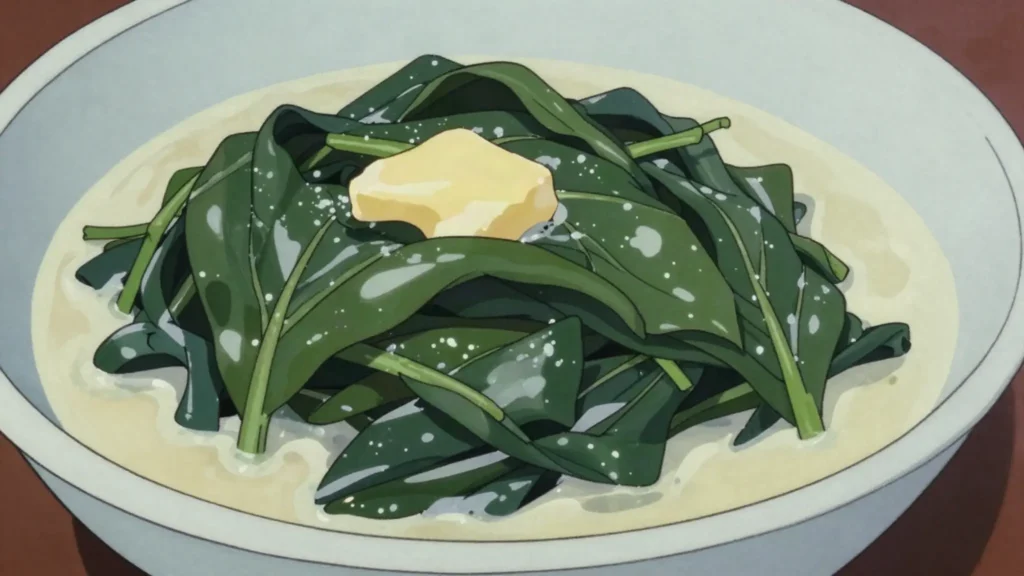
- Pour in the milk or cream and simmer gently for 10 minutes, uncovered.
- Milk is the traditional counterweight to the bitterness, and it is what makes managu palatable to people meeting it for the first time.
- Keep the heat low once the milk is in, because it will split over a fierce flame.
- Cook until most of the liquid has gone and the greens are glossy and coated.
- Season with pepper and more salt, and serve with ugali and meat.
- It is eaten by hand, pinched up with a lump of ugali, in Kenyan homes and roadside eateries.
- It is an indigenous vegetable that was pushed aside by imported kale and has been deliberately revived by Kenyan nutrition campaigns, which is why it is on restaurant menus again.
Technique
- It is often cooked together with other traditional greens, especially terere and kunde.
- Grown at home it is picked young and repeatedly, like a cut-and-come-again crop.
- The bitterness fades the longer it is cooked and the more milk goes in.
Substitutions
- Spinach or chard for a much milder dish, which is not the same thing.
- Coconut milk in place of dairy, which is the coastal habit.
Variations
- Cooked with kunde, cowpea leaves.
- With groundnut paste stirred through.
- Plain, with only onion and salt, which is how it is eaten in villages.
History
An indigenous leafy vegetable pushed aside by kale, then revived by Kenyan campaigns promoting traditional greens for nutrition.
Frequently asked questions
What is Managu?
Managu is a salad & side from Kenya: slightly bitter African nightshade leaves stewed with cream or milk. An indigenous leafy vegetable pushed aside by kale, then revived by Kenyan campaigns promoting traditional greens for nutrition.
How long does Managu take to make?
Managu takes 15 min of preparation and 25 min of cooking. The recipe makes 4 servings. It is rated easy to make.
What can I substitute in Managu?
Yes, within limits. Spinach or chard for a much milder dish, which is not the same thing. Coconut milk in place of dairy, which is the coastal habit.
What is the most important thing to get right in Managu?
Only the leaves are eaten. Do not eat the berries of nightshade plants, ripe or unripe, and this is worth being firm about with a plant in the Solanum family.