
Ingredients
The tomatoes
- 500 gripe tomatoes
- small ones, or plum tomatoes
- left whole
- or cherry tomatoes
To char alongside
- 6to 10 dried red chillies
- or fresh chillies, to taste
- 8 clovesgarlic
- unpeeled
- 4shallots
- unpeeled, or 1 small onion
The seasoning
- 1 tablespoonpadaek
- the Lao fermented fish sauce
- or 1 tablespoon fish sauce
- or 1 teaspoon salt, for a vegan version
- half a teaspoon sugar
- optional
- juice of half a lime
- optional
- salt, to taste
To finish
- a handful of coriander
- chopped
- spring onions, sliced
- optional
To serve
- sticky rice
- raw vegetables
- cucumber, long beans, cabbage
- grilled meat or fish
- steamed greens
Directions
- Grill outdoors in open air only. A dry cast-iron pan works well. Lay the vegetables in and leave them. Turn them as each side blackens.
- Leave them whole with the skin on. Char them until the skin is blackened and split. Peel them after charring. That takes about eight minutes.
- Take them off before they go black. Simmer the padaek with a little water for five minutes. Strain out any bones and solids. Use that liquid in the jeow. Salt makes a vegan version. A blender gives a smooth purée.
- Start with the chillies and a pinch of salt. Pound them to a rough paste. Salt acts as an abrasive. Add the peeled garlic and shallots. Pound them in. Add them a few at a time.
- Crush them rather than pounding hard. The mixture becomes wet and loose. Add the padaek liquid or fish sauce. Add sugar if you like.
- Add lime juice if you want it sharper. Taste it and adjust. It should be salty first. Add a little water if it is too stiff. Stir in the chopped coriander. Add spring onions if you like. Serve it in a small bowl. Serve sticky rice alongside. Serve raw vegetables for dipping.
- Pinch a ball of sticky rice with the fingers. Roll it lightly to compress it. Dip it into the jeow. It keeps four days refrigerated. Add fresh coriander when serving leftovers. Freeze it before adding fresh herbs.
Technique
- Char everything before pounding — tomatoes, garlic, shallots and chillies. That charring gives the smoky depth the dish is built on, and without it this is just a tomato relish.
- Char the garlic and shallots unpeeled. The skins protect the flesh from burning while the insides soften and sweeten; peel them afterwards.
- Watch the chillies constantly. They char in about thirty seconds a side and burnt chillies turn bitter immediately. Ventilate the kitchen first — toasting chilli releases capsaicin into the air and makes people cough badly.
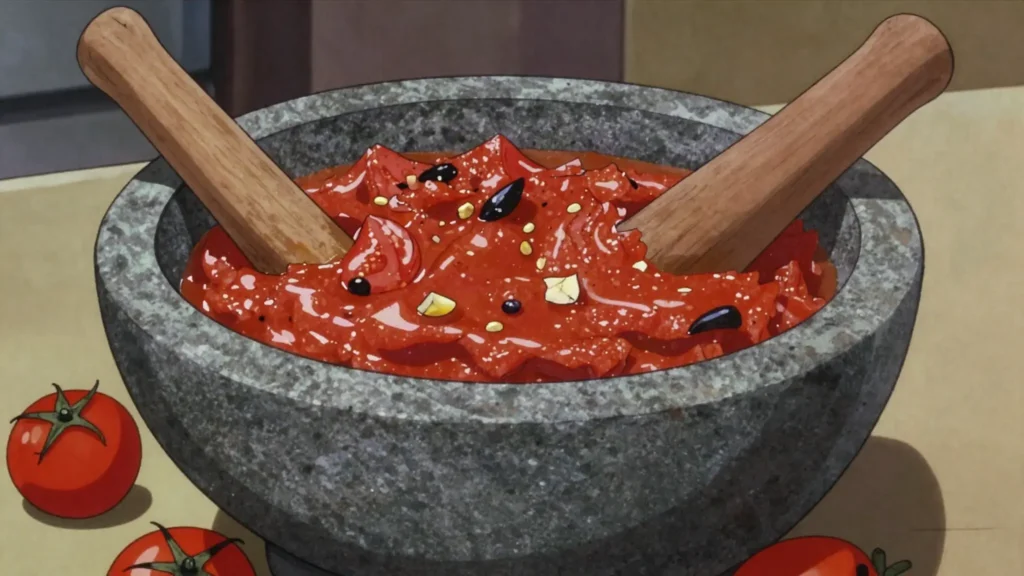
- Pound in a mortar rather than blending. Pounding crushes and tears, releasing juices differently and giving the coarse uneven texture the dip should have; a blender gives a smooth purée, which is a lesser thing.
- Start with the chillies and a pinch of salt as an abrasive, then garlic and shallots, then tomatoes crushed in a few at a time.
- Season it assertively — salty first, then smoky, then hot, with sweetness and sourness behind. It is eaten with plain sticky rice which is the bulk of the meal, so a mild jeow makes a dull meal.
- Simmer padaek with a little water for five minutes and strain out the solids before using the liquid. It is a fermented raw fish product, and raw freshwater fish in the region can carry liver flukes — a documented public health concern in Laos and northeast Thailand. Commercial padaek is generally safe and cooking removes the question entirely, which is standard Lao practice.
- Thai fish sauce substitutes for padaek and is already safe as it is, though it is thinner and less complex. Salt makes a vegan version.
- Charring vegetables in a dry pan produces a great deal of smoke. Open windows and turn on the extractor before you start.
- Charcoal produces carbon monoxide, which has no colour, smell or taste and kills in enclosed spaces. If you char over coals, do it outdoors only.
- Peeling the blackened tomato skin gives a cleaner sauce; pounding it in gives a smokier one. Both are done.
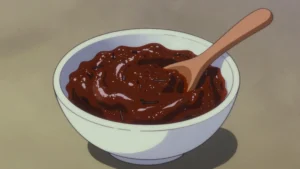
- Keep it chunky and scoopable rather than smooth and pourable. Sticky rice is pinched, rolled and dipped, and the dip has to hold to it.
Substitutions
- Thai fish sauce replaces padaek and is easier to buy; salt alone makes it vegan.
- Fresh chillies replace dried, giving a brighter and less smoky heat.
- Cherry tomatoes replace larger ones and char faster.
- A small onion replaces the shallots.
- A blender can replace a mortar at real cost to the texture; pulse it coarsely if you must.
- Lime juice sharpens the dip and is optional.
Variations
- Jeow mak keua uses charred aubergine in place of tomato.
- Jeow bong, made with dried buffalo skin, chilli and galangal, is the sweet dark Luang Prabang relish.
- Nam prik ong and nam prik num in northern Thailand are close relatives.
- A version with grilled fish pounded in makes a more substantial dip.
- Tam mak hoong, the green papaya salad, is pounded in the same mortar and eaten at the same meal.
- Larb, the minced meat salad, is the other standard alongside sticky rice.
Frequently asked questions
What is Jeow Mak Len?
Jeow Mak Len is a sauce & condiment from Laos: charred tomato pounded with chilli, garlic and padaek into a smoky dip.
How long does Jeow Mak Len take to make?
Jeow Mak Len takes 15 minutes of preparation and 20 minutes of cooking. The recipe makes makes about 1 bowl. It is rated easy to make.
What can I substitute in Jeow Mak Len?
Yes, within limits. Thai fish sauce replaces padaek and is easier to buy; salt alone makes it vegan. Fresh chillies replace dried, giving a brighter and less smoky heat. Cherry tomatoes replace larger ones and char faster. A small onion replaces the shallots. A blender can replace a mortar at real cost to the texture; pulse it coarsely if you must. Lime juice sharpens the dip and is optional.
What is the most important thing to get right in Jeow Mak Len?
Crush them rather than pounding hard. The mixture becomes wet and loose. Add the padaek liquid or fish sauce. Add sugar if you like.